
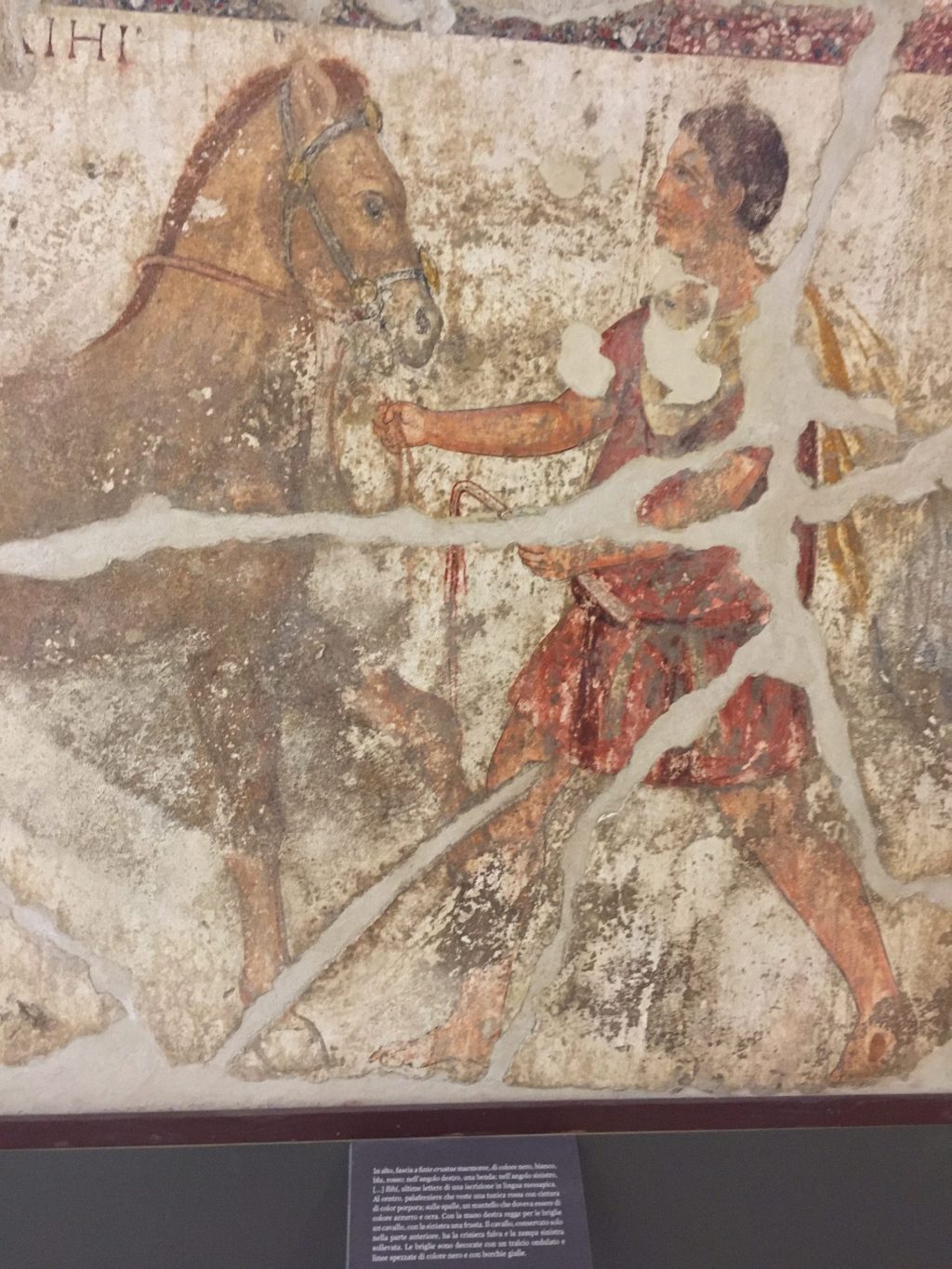
In Puglia, in southern Italy, near the vacation town of Monopoli, was the oddest, almost ignored and yet gem of a museum and ancient town site called Engazia, dating back to pre-Roman Bronze Age period when the Greeks colonized the Eastern coast of Italy.
We love ancient places, they teach so much, give away so little and force the human imagination to work harder to try and make sense of something so foreign, yet not. Human is Human.
Oddly enough, there were few archeological sites in the area of Abruzzo and Puglia, but this one was a treasure.
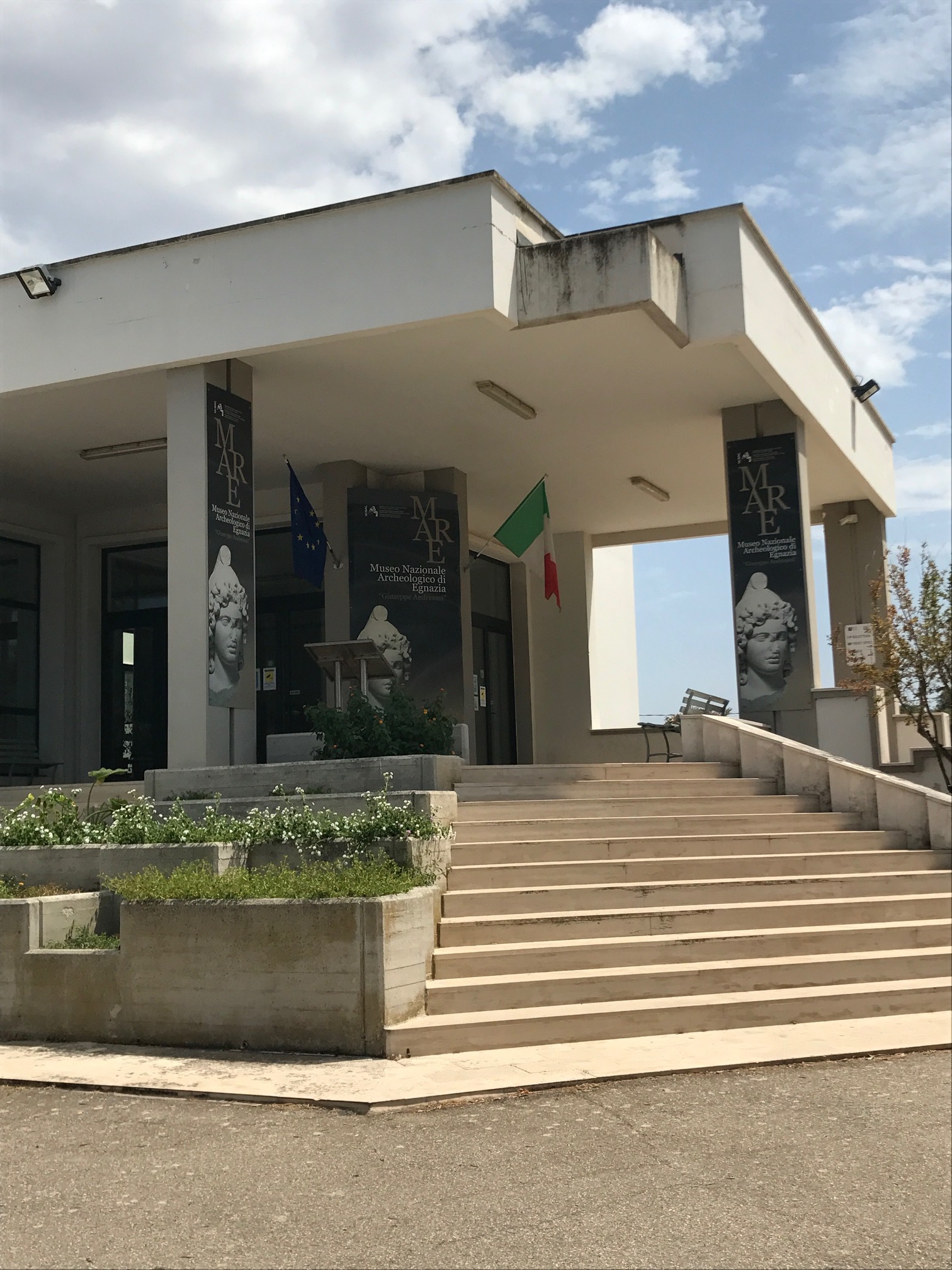
It was not easy to find, off the main coastal highway, down a dirt road that ran along the beach until you saw the sign for the museum and archeological site. You did not see them until you arrived. It was mid afternoon and we were the only visitors.

Like much of Italy, many things made no sense. The hours online did not match those of the museum itself. The map they gave us that showed each area of the museum, numbered and organized by era. The town itself preceded the Etruscan’s who preceded the Romans. It was old. And layered. So, the museum, in a good way, had you follow the path of the many changes over millennia.

But the room numbers did not correspond to the chronology at all. It was hit and miss. Still, like so many illogical things in Italy, you just need to go with it. And we did.
After the museum, to get to the ruins of the town you need to drive a few minutes down a dirt road, heading towards the sea. The ruins actually butt up against the frontage road that separates it from the beach. As we drove up to the small house leading to the town, a man came out and in faulting English told us where to go, what best to see, and that it was closing soon. But, and here he glanced left and right clandestinely, if you go on the road — he pointed to the frontage road — we could always come back later and park and climb over the small fence, no one would notice.
We thanked him.
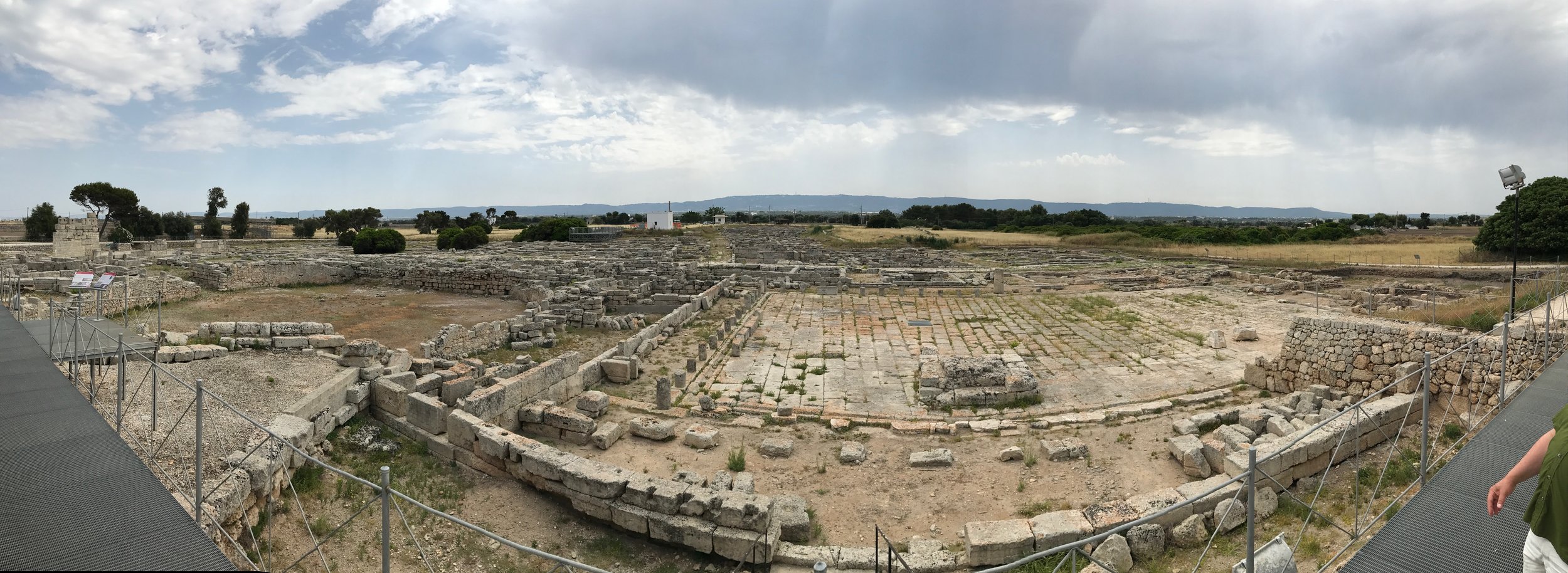
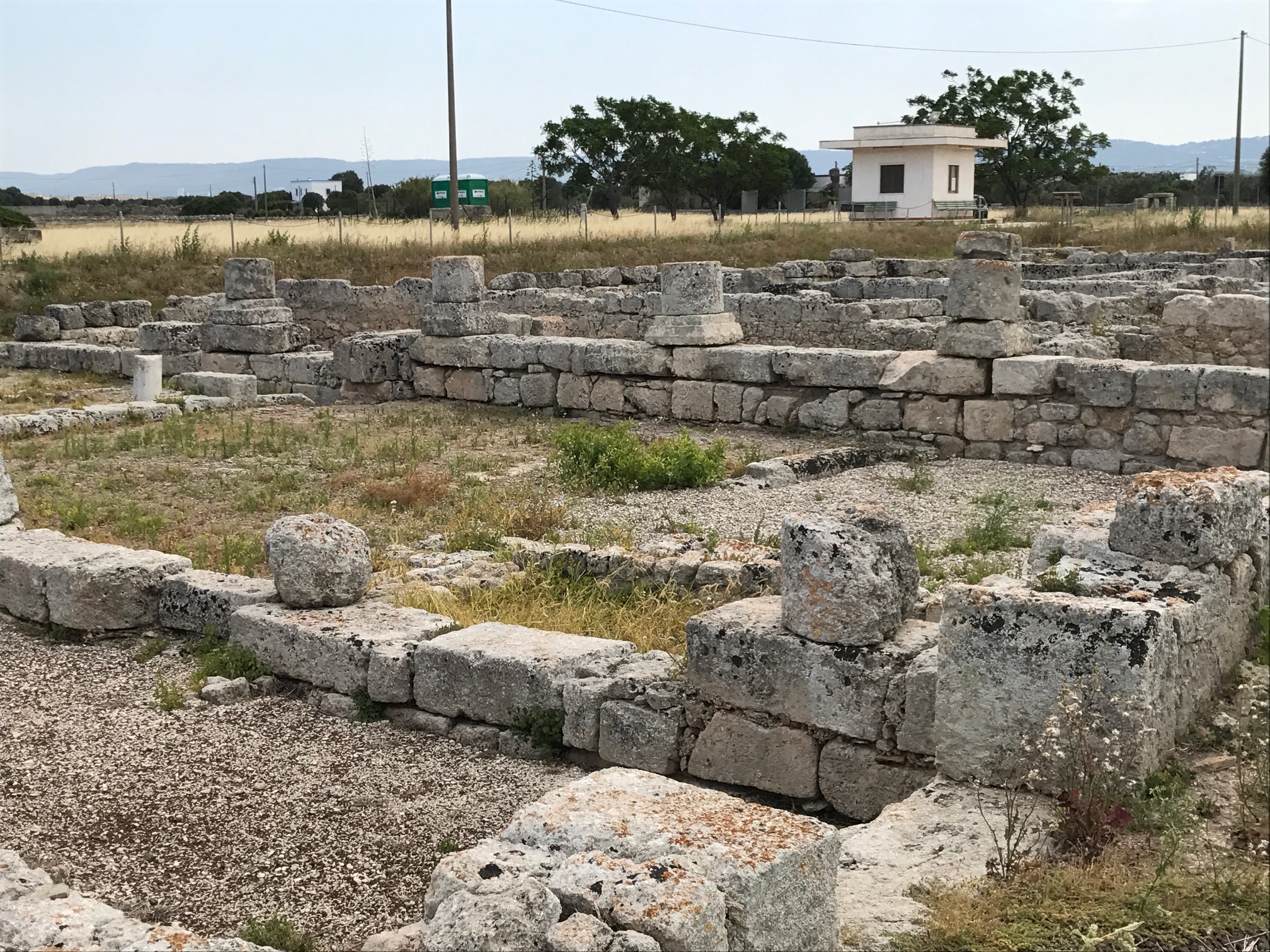
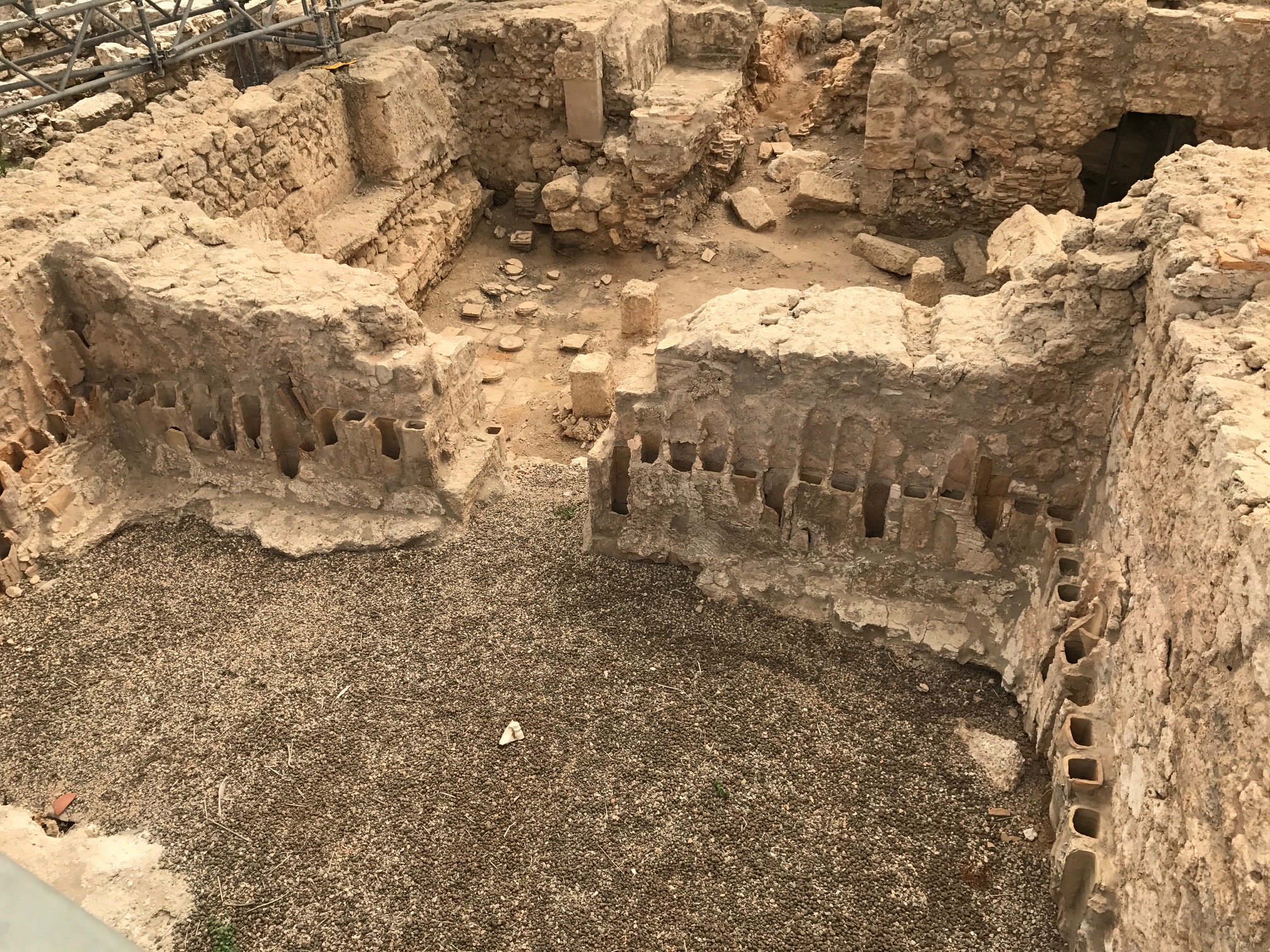
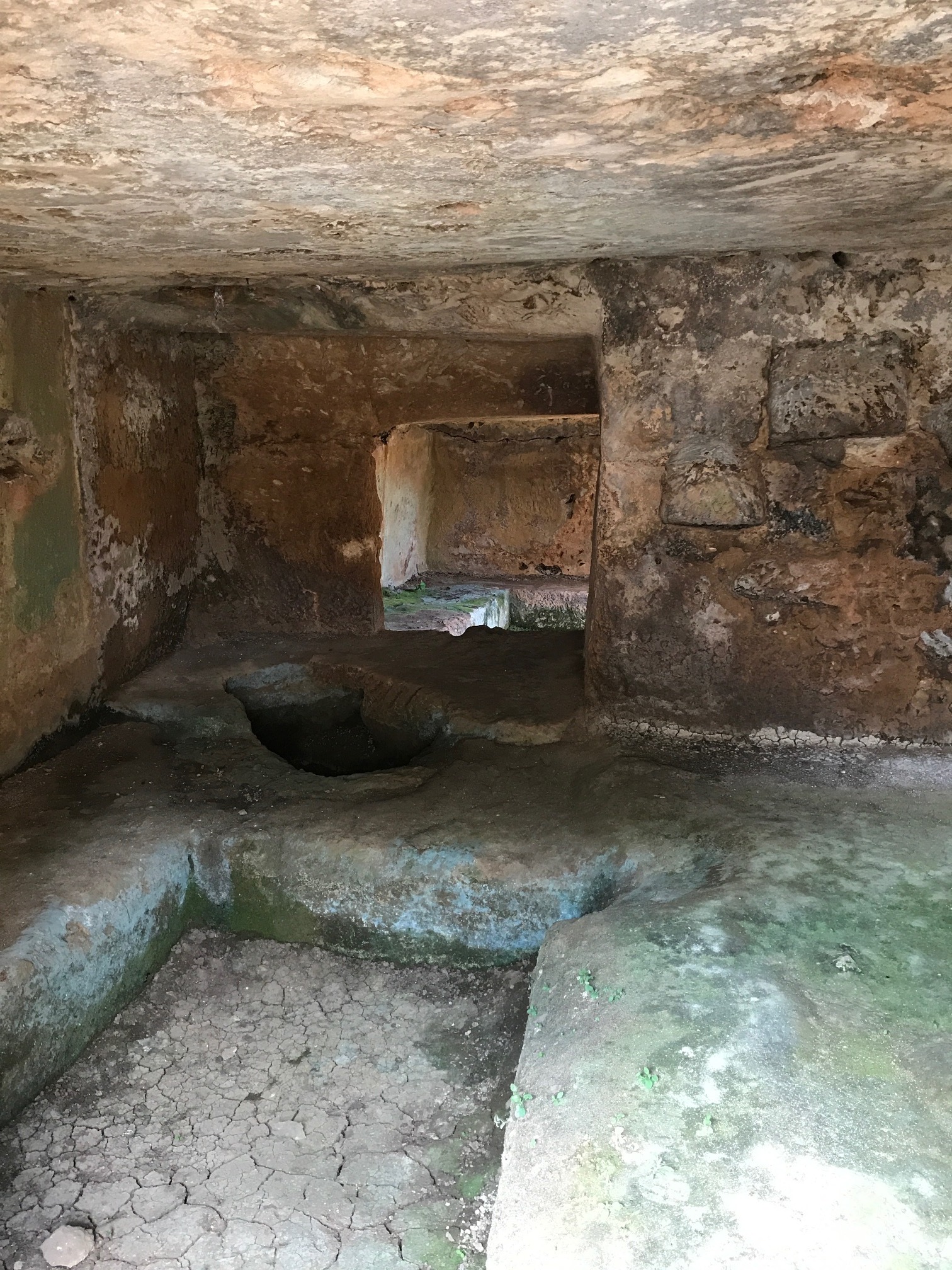
The ruins had a series of metal walkways above the ruins and different digs at different levels of completion. It felt like a place they ran out of money on. It was fascinating to see a lasted burial cave, lines of stones that were once the stalls of merchants with their symbols barely visible and worn by time to a shadow.
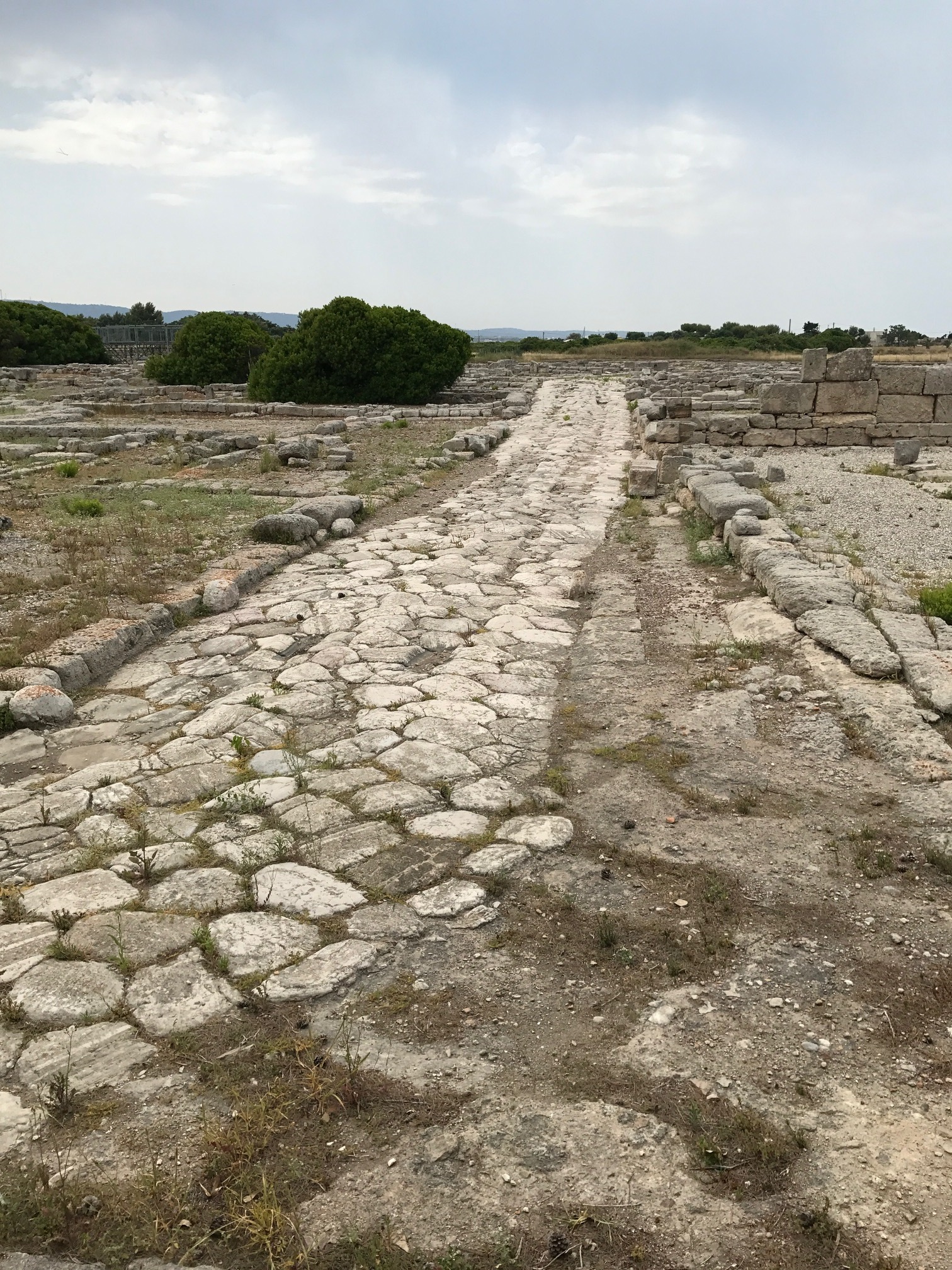
You could see the tracks left by the endless parade of wagons, forming part of the spine of the Roman Appian way, the road that took all trade of food and goods to and from Rome (all roads led to Rome for a reason).
Feeling a bit rushed, and not wanting to break in later, we took in as much as we could and were left with a deep deep sense of a tiny colony that had evolved to a trading village to being part of the Roman Empires trade routes. Obscure at worst, amazing and so quiet and private at best.
Monopoli was a great beach city, fun to tour the ancient walls of the harbor, the winding streets and restaurants, but ancient town of Engazia was a forgotten, forlorn yet beautiful place to visit.
#puglia
#egnaziaitaly
#italytreasures
https://www.viaggiareinpuglia.it/at/13/areaarcheologica/510/en/The-Archaeological-Park-of-Egnazia
 Outspoken Traveler
Leave a comment