
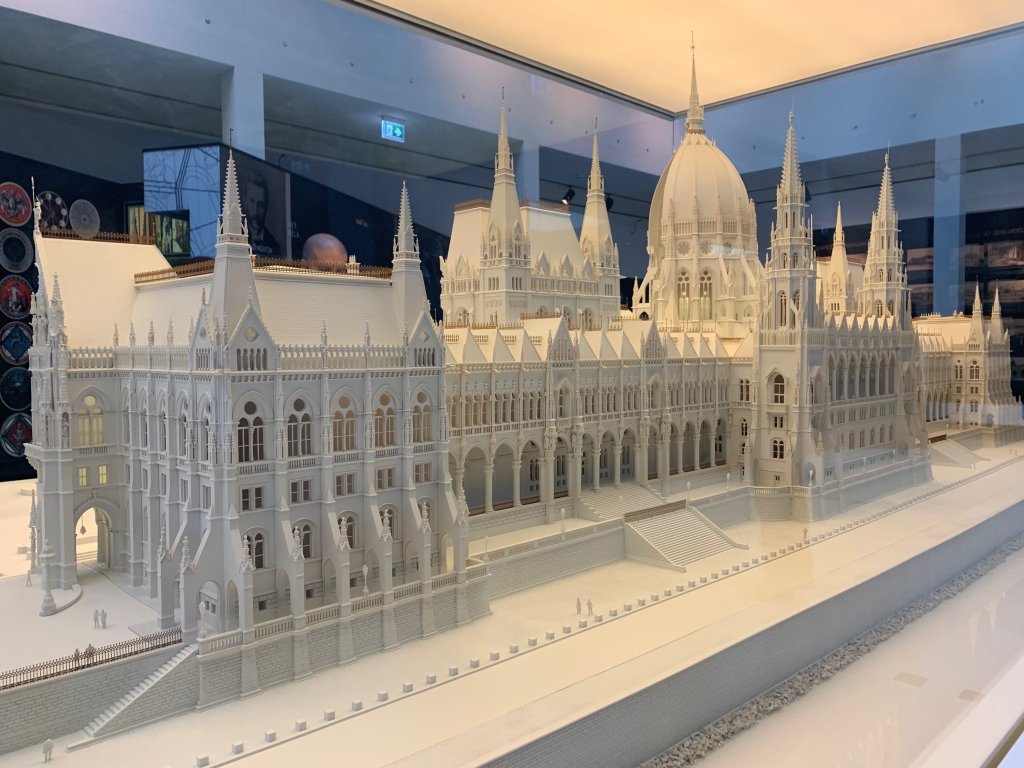
Humankind has a proclivity to build massive, ornate, governmental buildings so the rulers can impress the ruled with their power. Such is the Hungarian Parliament building of Budapest. This is more than just another huge structure, it represents the painful dynamic of a country at odds with itself and its history.
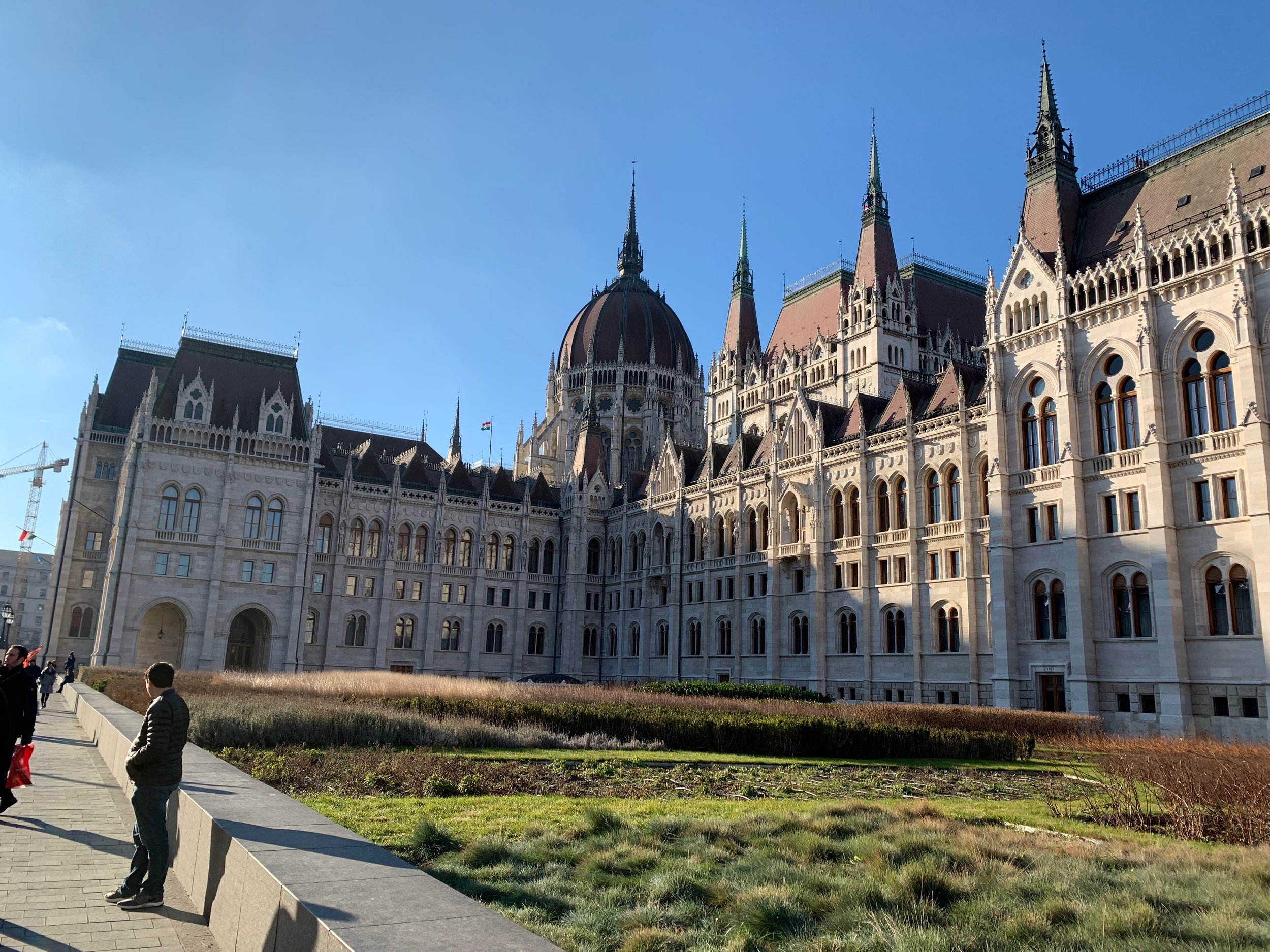
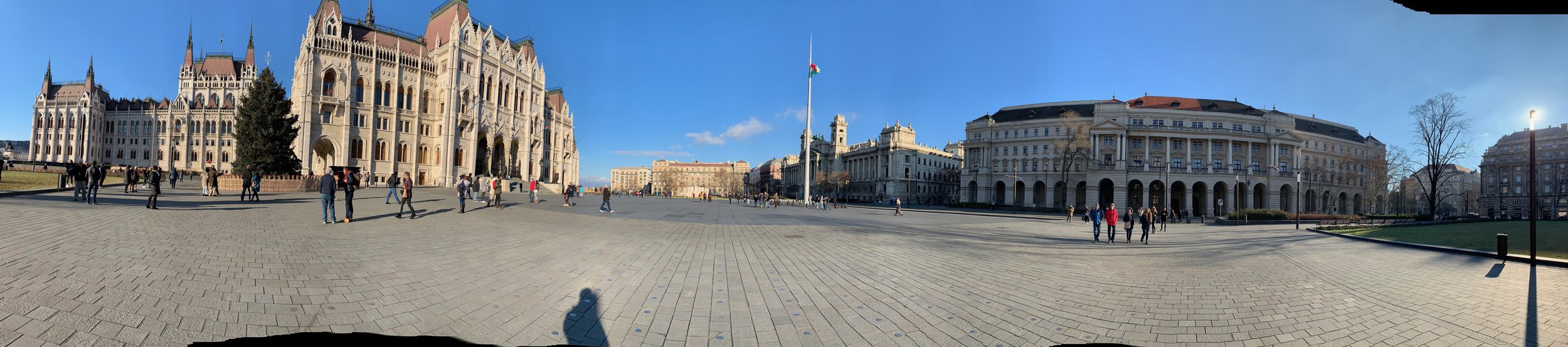
We entered the visitors center from the Danube side, and caught a glimpse of the of this massive edifice, another of many, but this one on the Pest side of the river — the newer part of the city.
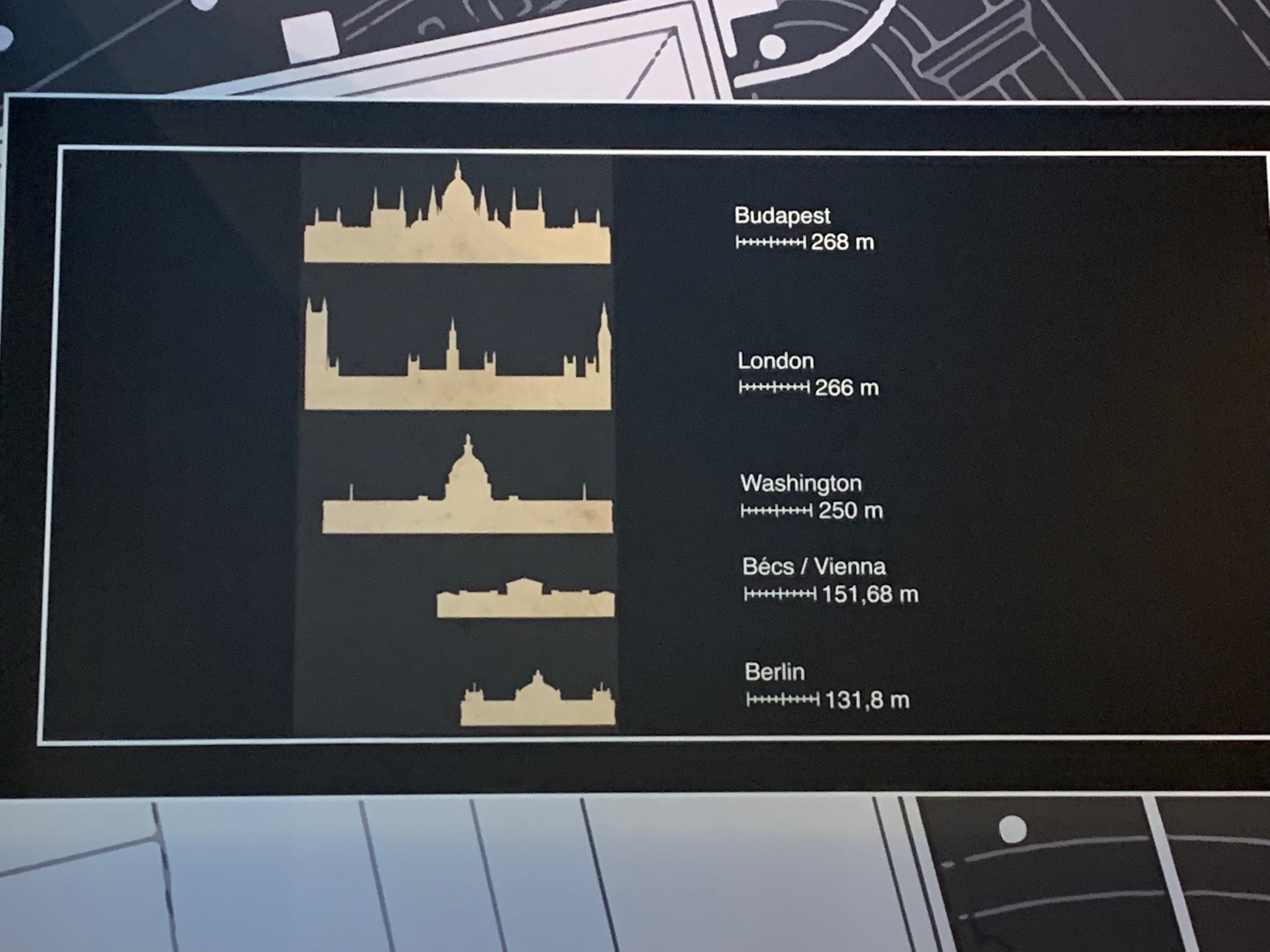
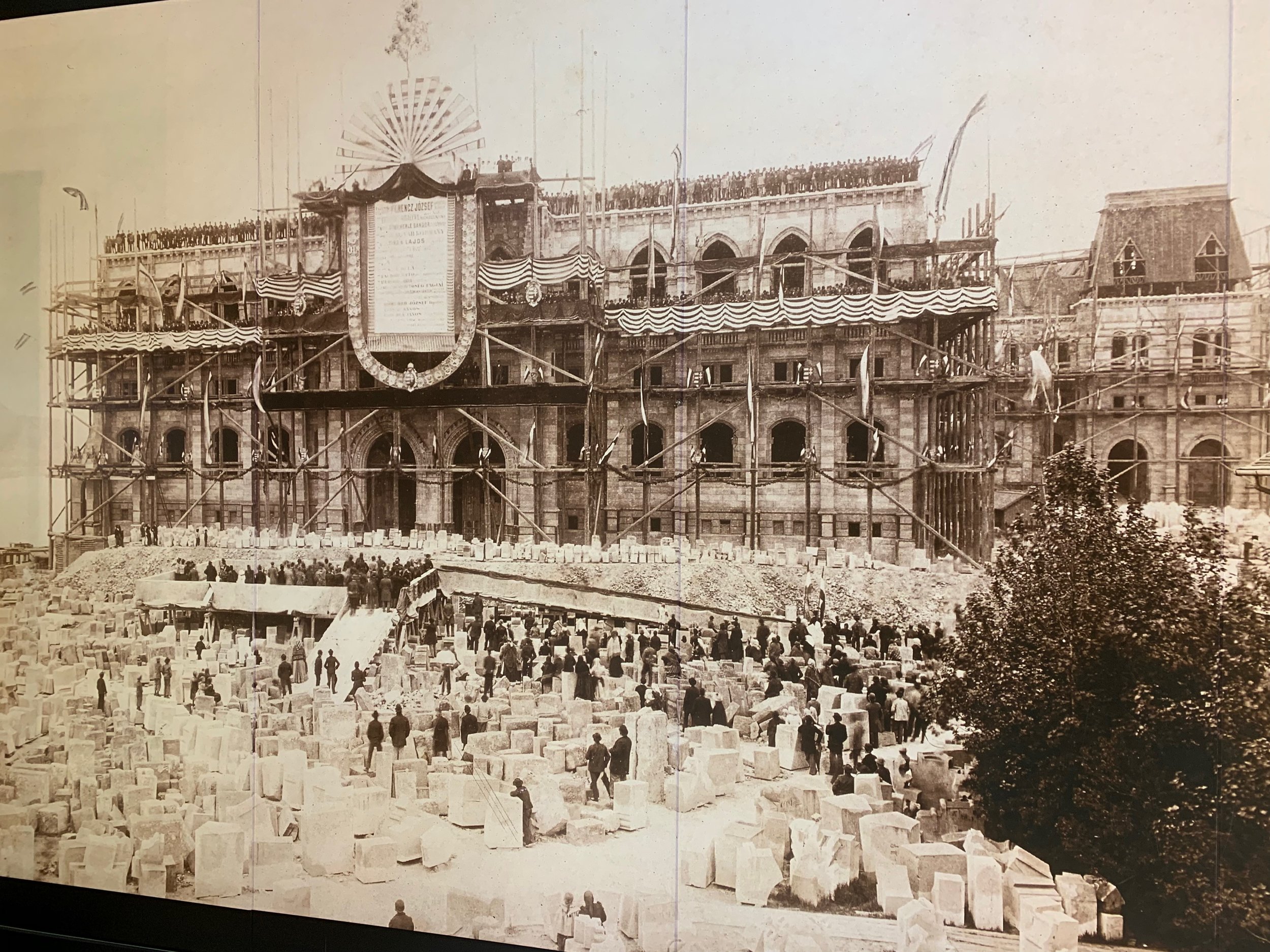
As the illustration shows, this specific parliament is the largest in the world.
Once inside, you notice the intense security and like monuments and government buildings around the world, machine guns and men with ear pieces. Ours was a small tour, no more than twenty people. A tall, bodybuilder looking gentleman who wore a suit that looked just short of a uniform gave us the tour.
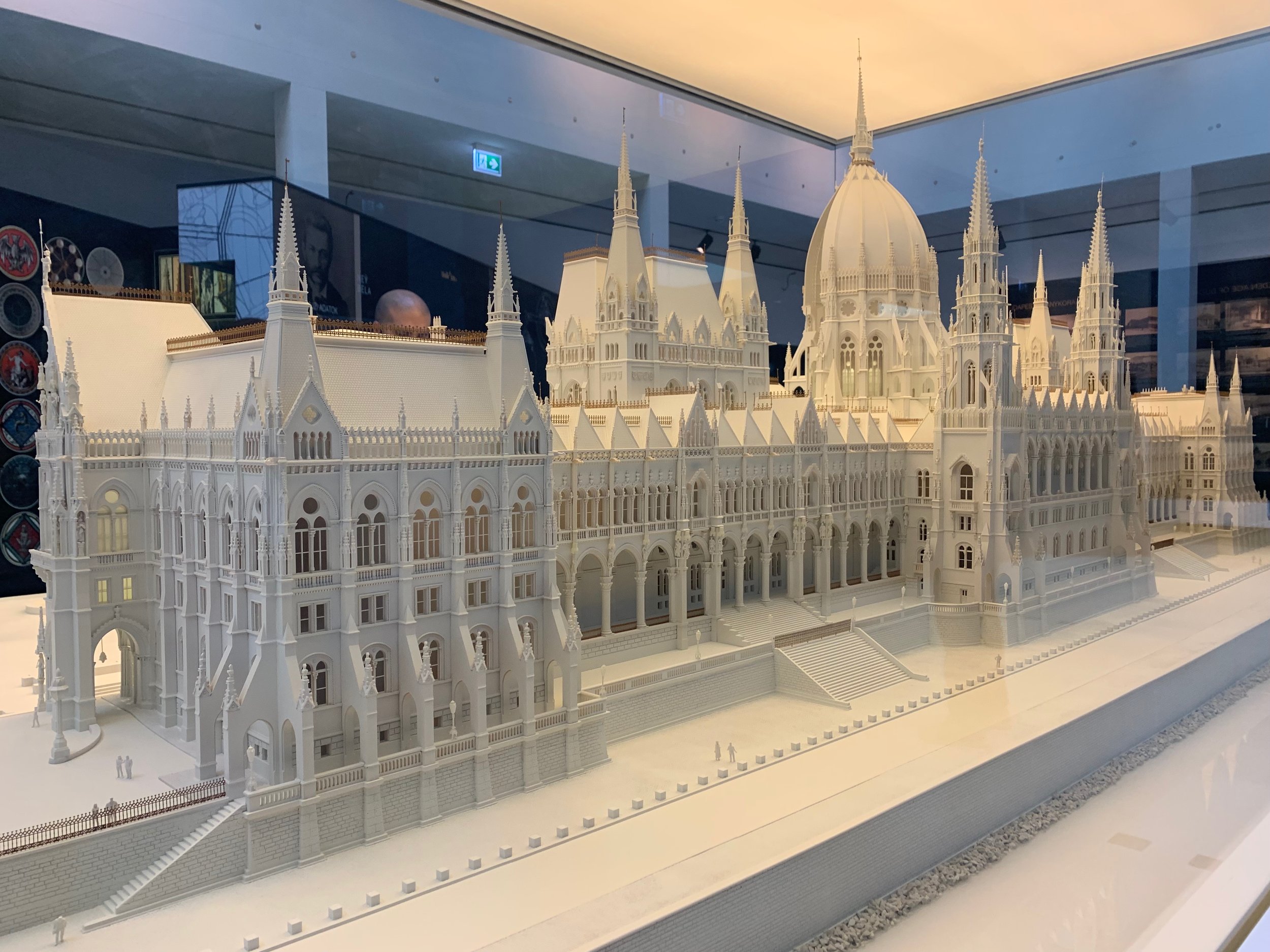
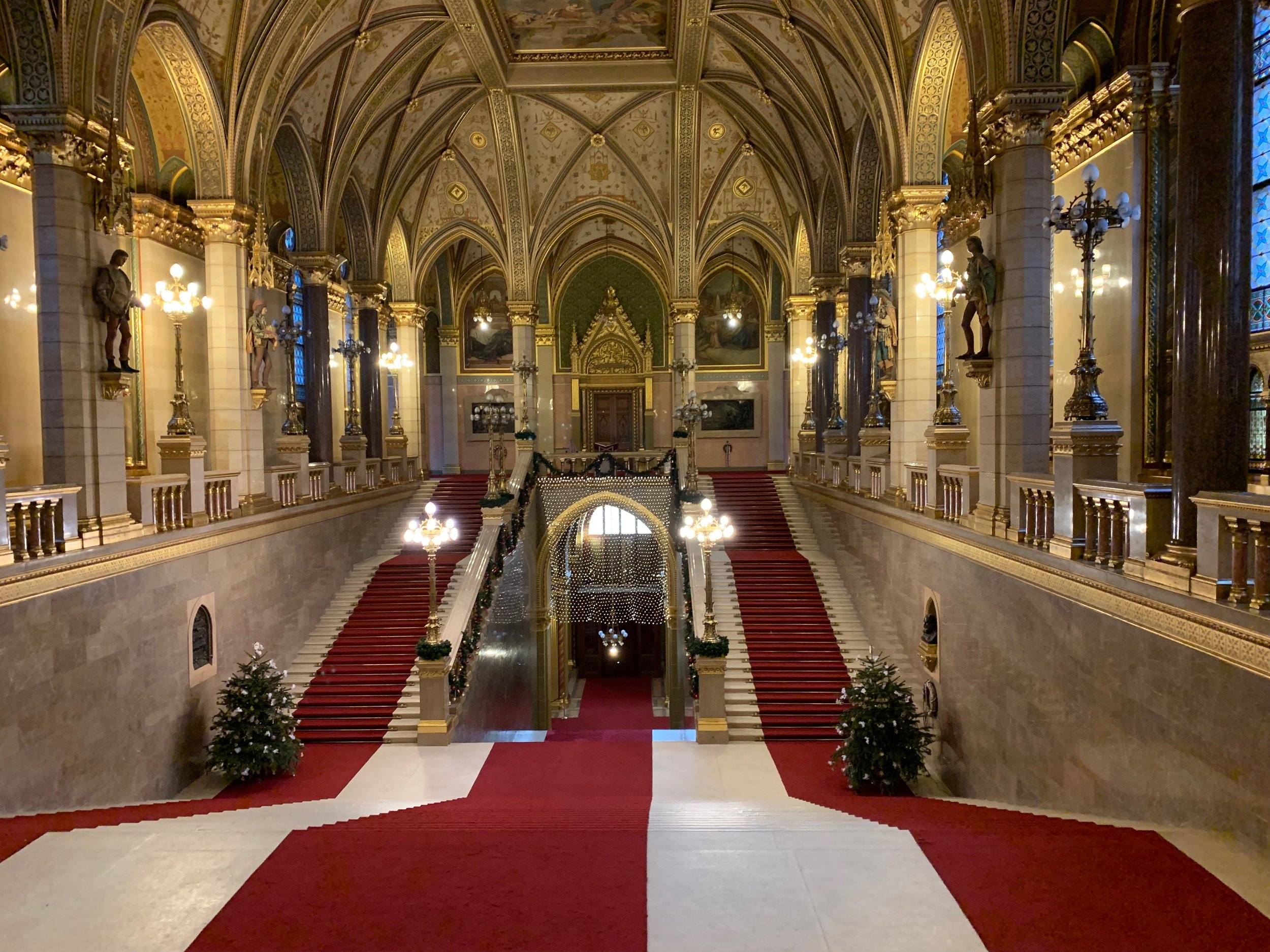
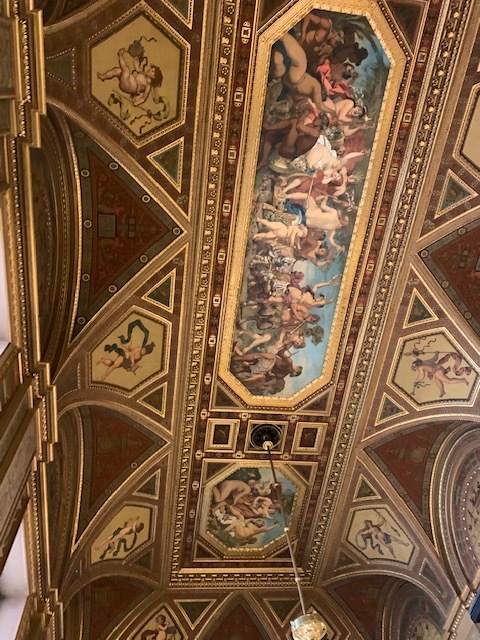
The scale of the House of Parliament is inspiring in its beauty, but overwhelming in the use of red carpet and actual gold for the walls, ornaments, statues, an endless cornucopia of design elements. The wing that runs parallel to the Danube is 268 metres long – making it longer than the Houses of Parliament in London – with the greatest width at 123 metres.

The building blends elements and motifs of various architectural styles: its floor plan is Baroque, the façade ornamentation evokes the world of Gothic, and the decoration of the ceiling shows stylistic elements of the Renaissance.
As we walked the long halls, the pristine nature of the red and gold carpet and decorations felt like everything was new even though it spoke to a time over a century ago.
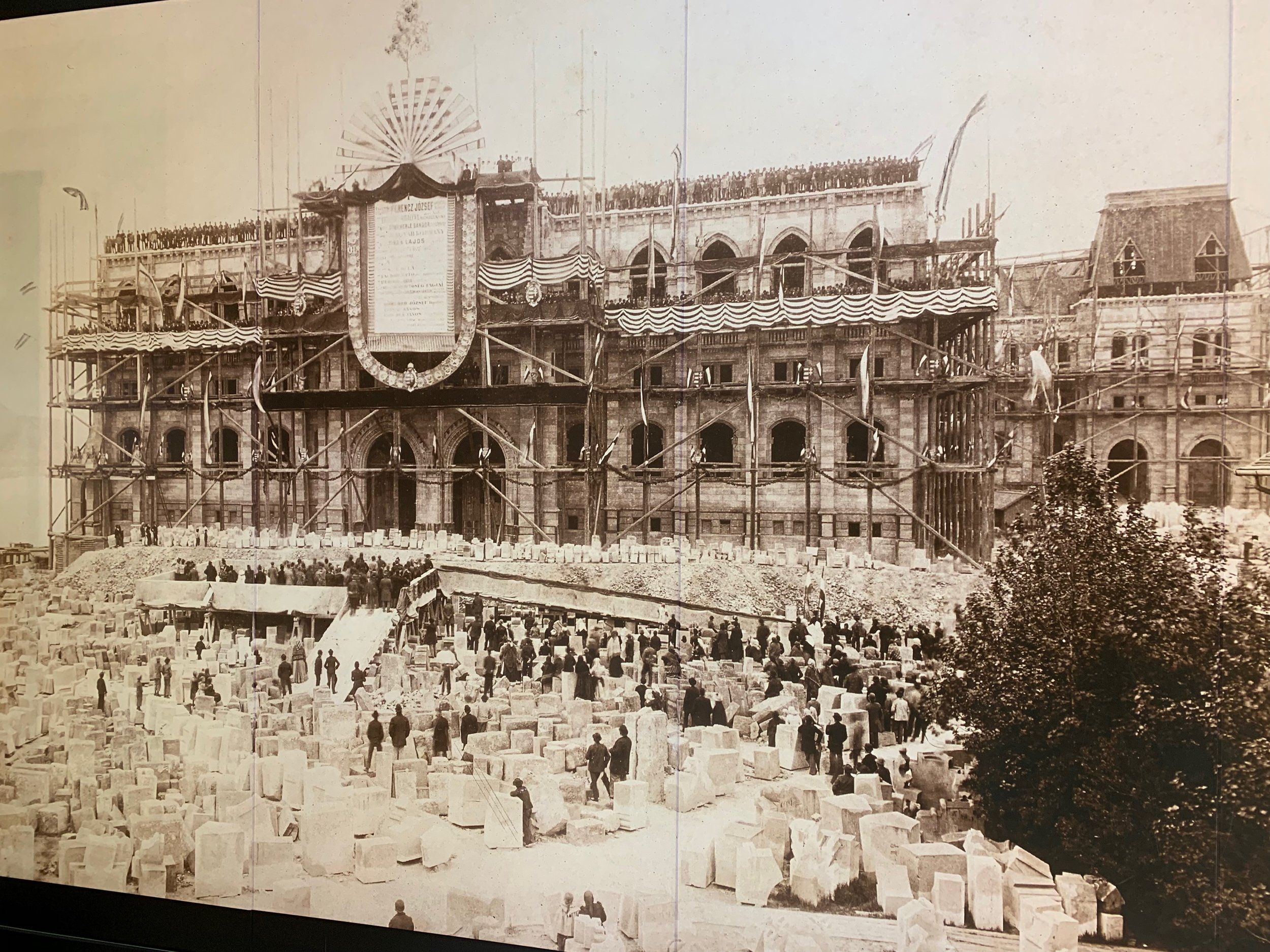
At the central dome, the guide took the time to explain why the height was 96 meters; we were told the number “96” has great import for the Hungarian people. It was around 896 a.d. the Magyar riders arrived from the steppes of Asia; it was 1896 , one thousand years later, this building was opened. And the central dome of the assembly, with its several statues, each owning a special meaning, all rise to that meaningful height and number.
This monument represents an inflection point for Hungary. Best expressed by a contrast in leadership.
Lajos Kossuth. Viktor Orban. A tale of contrast in leadership and vision.
Viktor Orban, the current and long-serving prime minister. A strongman. As a concierge, tour guide and others, all told us: he is a strong man. Friend of Putin. Anti-Democratic. Taps into the misdirected longing of the majority who live in the countryside who miss the simplicity and other securities of the Soviet era. He has changed the constitution; packed the courts; changed the working rules to punish those who get overtime…on and on.

So, given all that, how can a person of conscience walk through the halls of this truly one-of-a-kind gilded edifice and not feel it is the home of a government that is slowly melting the foundations of the democracy borne from the fall of the Berlin Wall. This creeping feeling of something gone awry was epitomized by the guard, whom when we got to the actual assembly room, which resembled our U.s. Congress, he specifically pointed, with a dismissive tone, the few seats owned by the opposition. It was clear where his sympathies were.
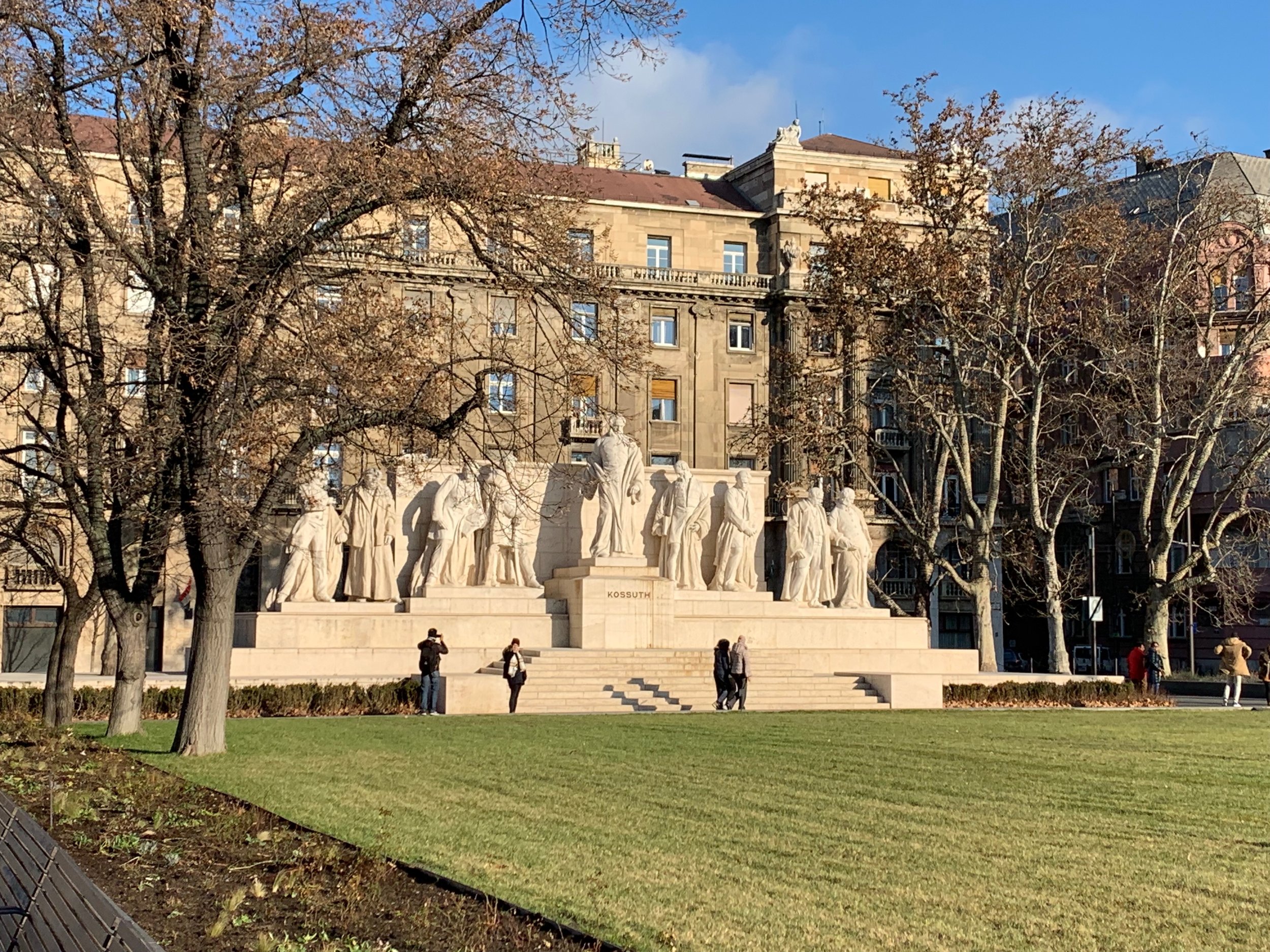
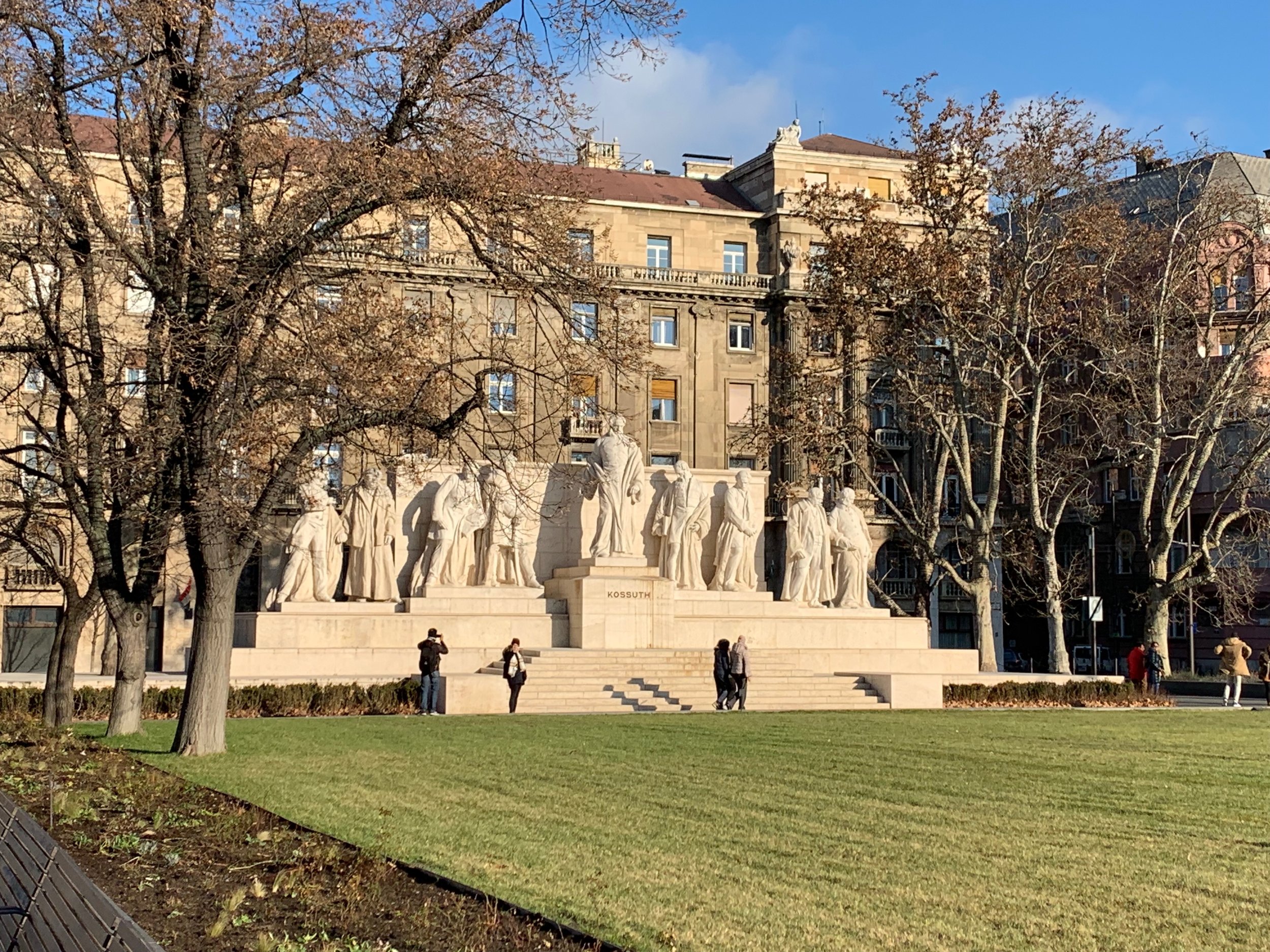
But what is especially ironic, is that the parliament is built on a giant square dedicated to Lajos Kossuth, the president of a free Hungary, during the failed revolution of 1849. His statue is in the square, almost gazing at the building. His pose and expression are passionate. The building is now cool to his gaze.




 Outspoken Traveler
Leave a comment