
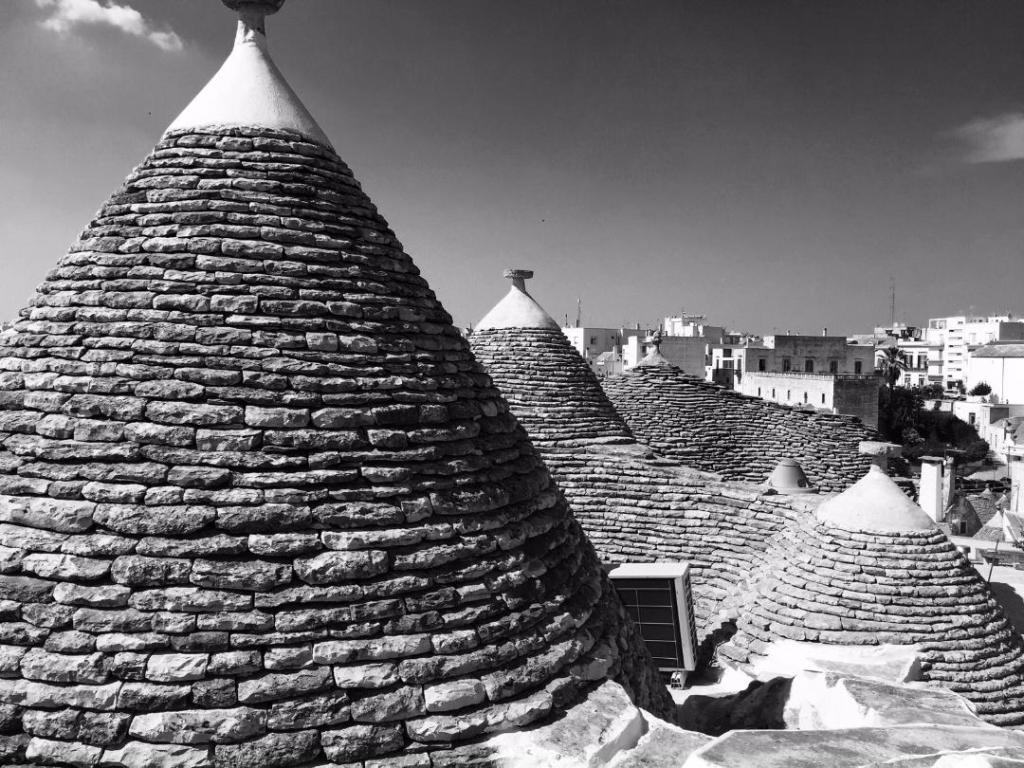
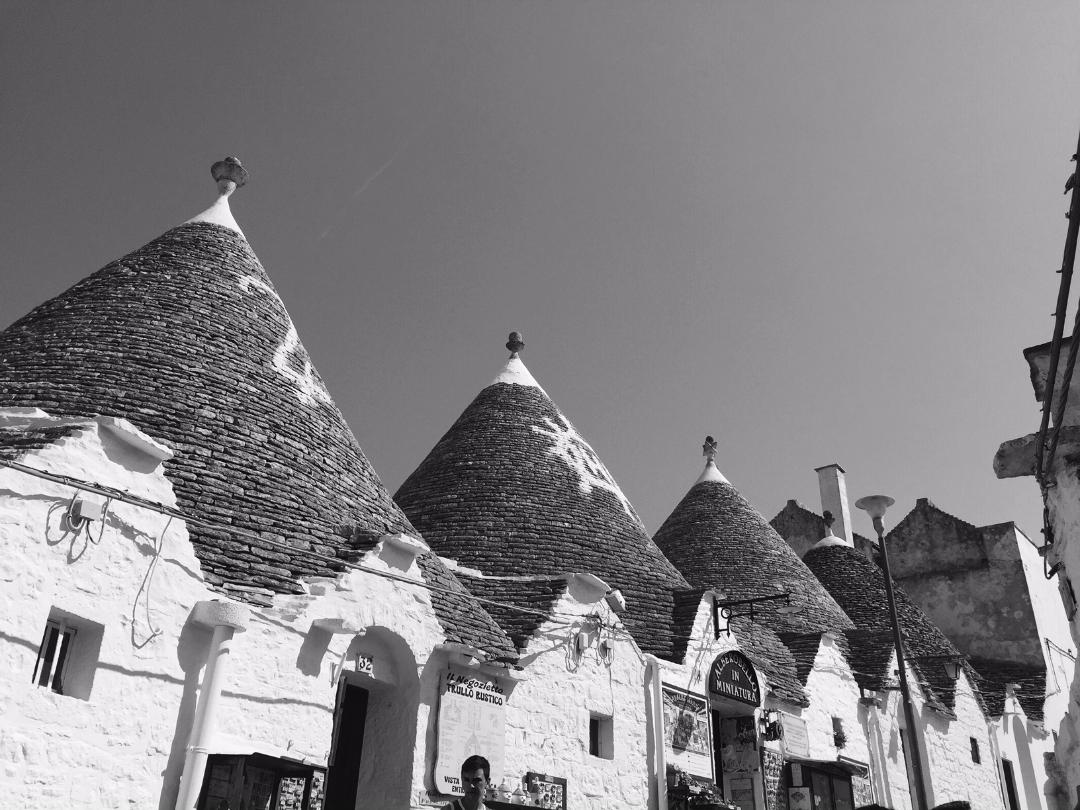
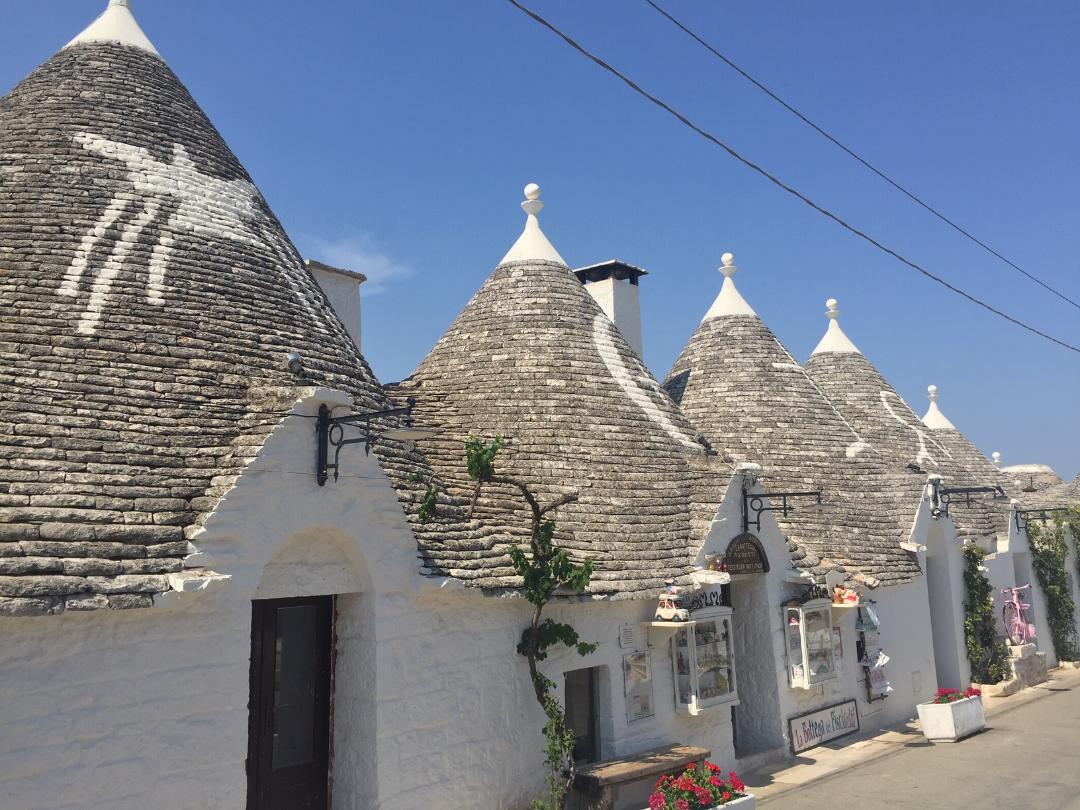
Puglia, on the West Coast of Southern Italy, is a dry region, a terrain of low hills with massive wild fields of fruit trees growing everywhere. Equally dominant are the presence of these ancient homes with its unique, and seemingly crude yet subtly complex, architecture and form.
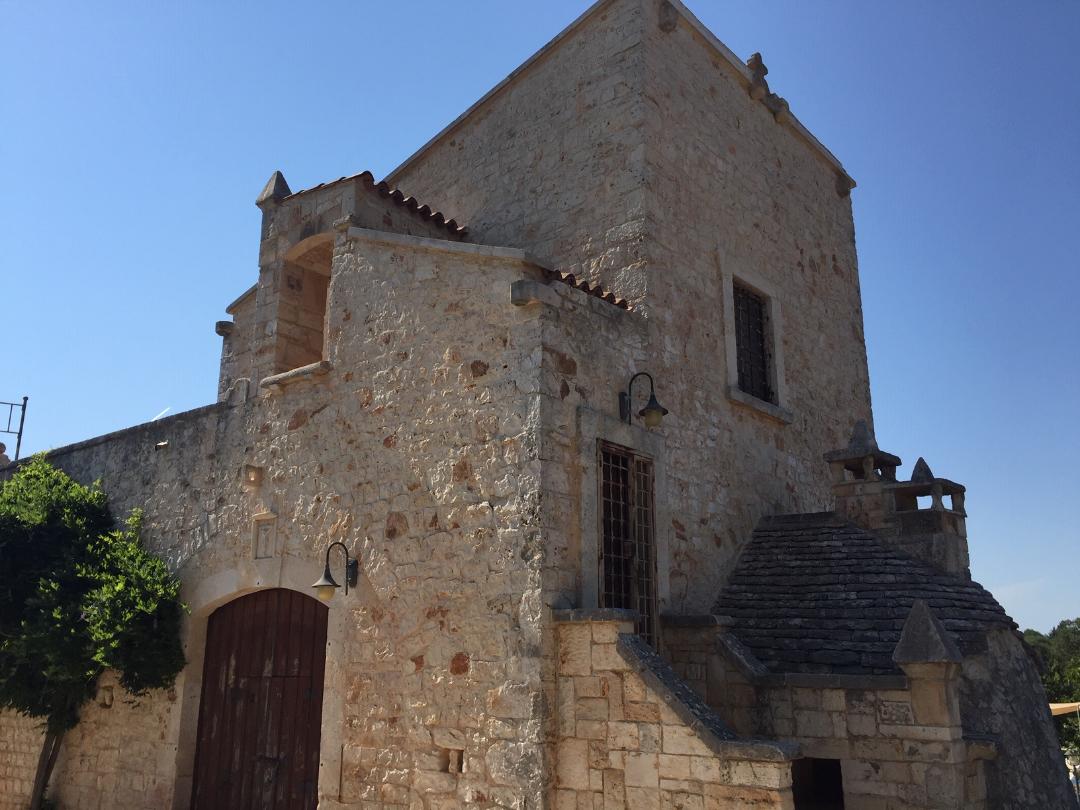
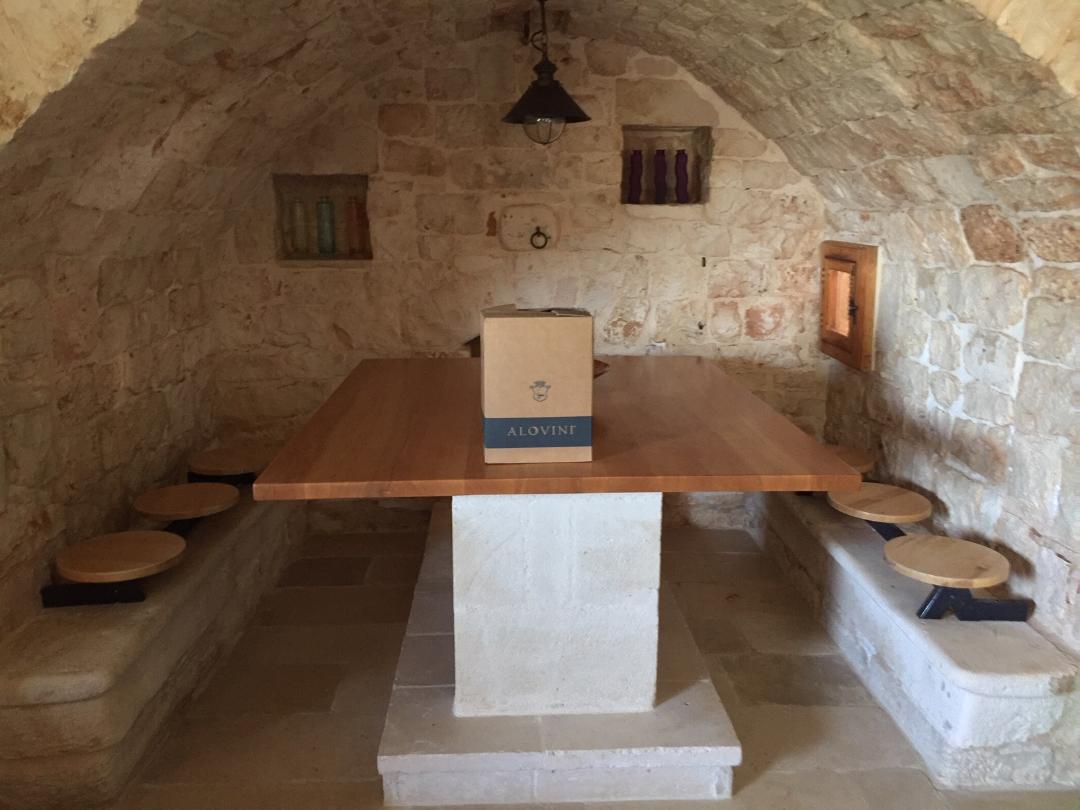
We actually rented one…it was a converted tiny church, and was not too strict to the conical roof; but the material was all stone, the doors large wooden gates, and other than mosquitoes, a GREAT place to rent.
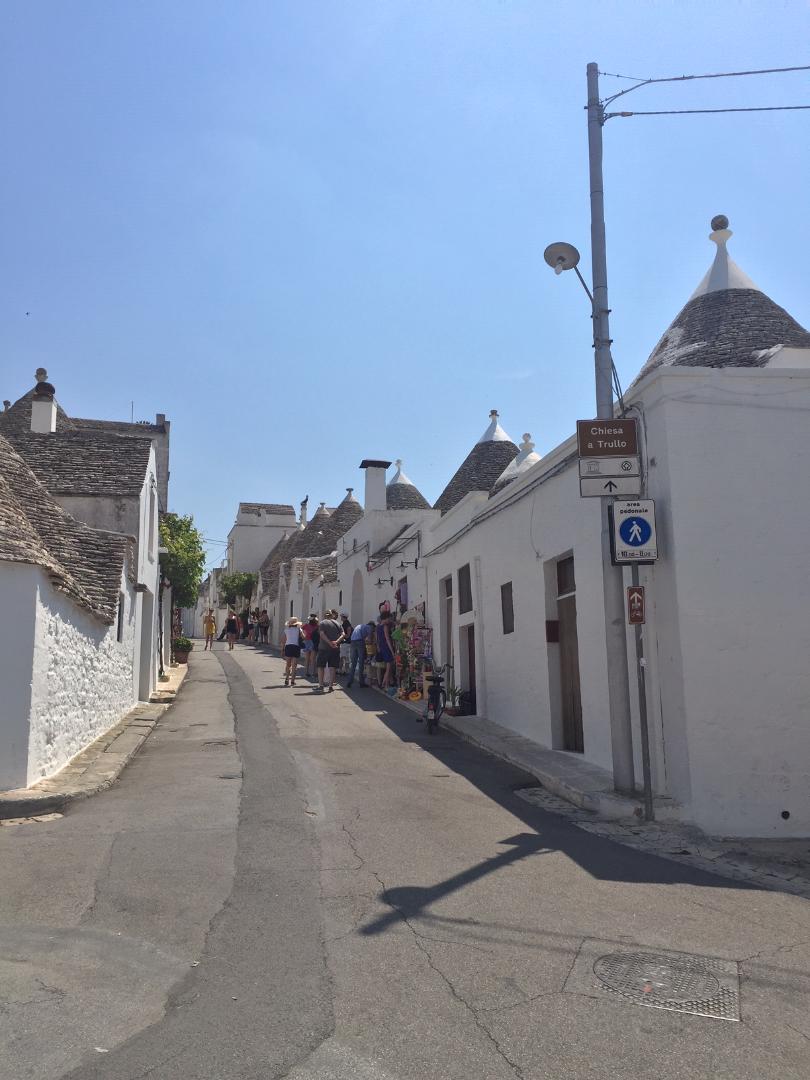
The epiphany of Truli structures — or Trullo for plural — is found in the town of Alberobello. Yes, touristy, but so worth the time and energy, even on a searingly hot day as they get in Puglia. Parking can be found, it is tricky, but once done walk the hills, wander narrow lanes and stop and shop the stores. Some stores are typical tourist galleries of trinkets and local items, but a few are true gems; we went into one and purchased a magnificent lace tablecloth; another offered a wide range of liqueurs; everyone was polite and nice and somehow the usual shop owner ennui was missing. Perhaps they knew what a special place they had with their Truli shops.

One fun historical tale: one reason they were built this way was to avoid paying for land taxes…not sure how far back this goes. But we were told, that when resident sheard the tax collector was coming, they’d collapse the houses into a pile of stones claiming they did not own the land or live there. It proves the enduring pursuit of Humankind’s avoidance to taxes!
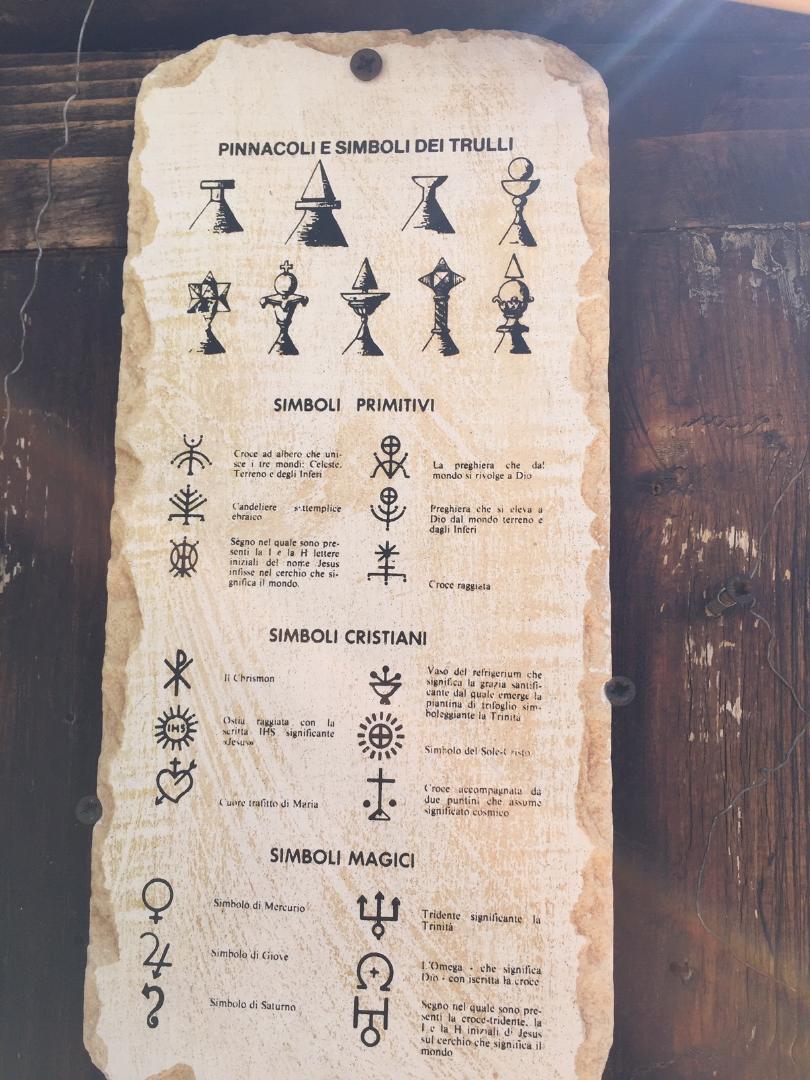
Another item of note — the odd, nearly pagan drawings on the conical roof. We included a few tablets to show how to interpret them.
To best explain the history, we have this paragraph from https://en.wikipedia.org/wiki/Trullo (thank you!):
“A trullo (plural, trulli) is a traditional Apulian dry stone hut with a conical roof. Their style of construction is specific to the Itria Valley, in the Murge area of the Italian region of Apulia. Trulli generally were constructed as temporary field shelters and storehouses or, as permanent dwellings by small proprietors or agricultural labourers. In the town of Alberobello, in the province of Bari, whole districts contain dense concentrations of trulli. The golden age of trulli was the nineteenth century, especially its final decades, which were marked by the development of wine growing.”


 Outspoken Traveler
Leave a comment