

Some call Lisbon the city of seven hills. It is older, some say, than Paris or Rome. Not a “trophy city” (“I saw this” and “I climbed that”!”) but a majestic, mighty spirit courses through the neighborhoods. It has to be walked to be experienced.
This post is short because we have done others that filled our week there; here is the official site for the city of Lisbon. Good information abounds.
Highlights? We loved so many aspects of the city, but here is a taste that would suit every traveler.
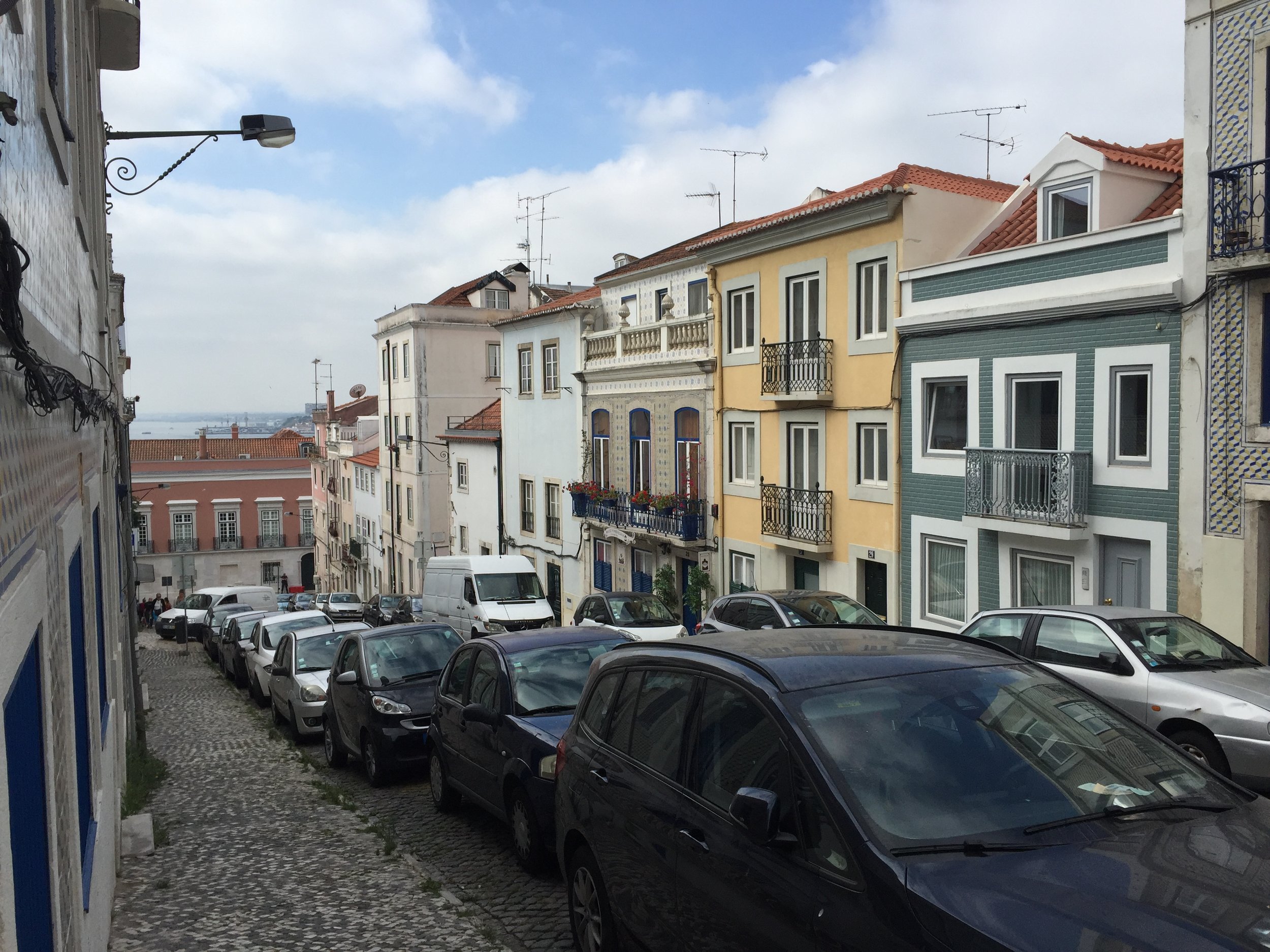
First, be prepared to walk a lot. Be open to getting lost, the city’s mountainous shoulders hills fold inward, you won’t be lost for long before you come to a street top and go, ”Oh, we need to be over there!”
Where to walk?
Chiado. Anywhere. Belem. Anywhere. Barrio Alto. Anywhere. All walking destinations are worthy of time, with leg muscles pumping and eyes scanning up-and-down for secrets and gems.
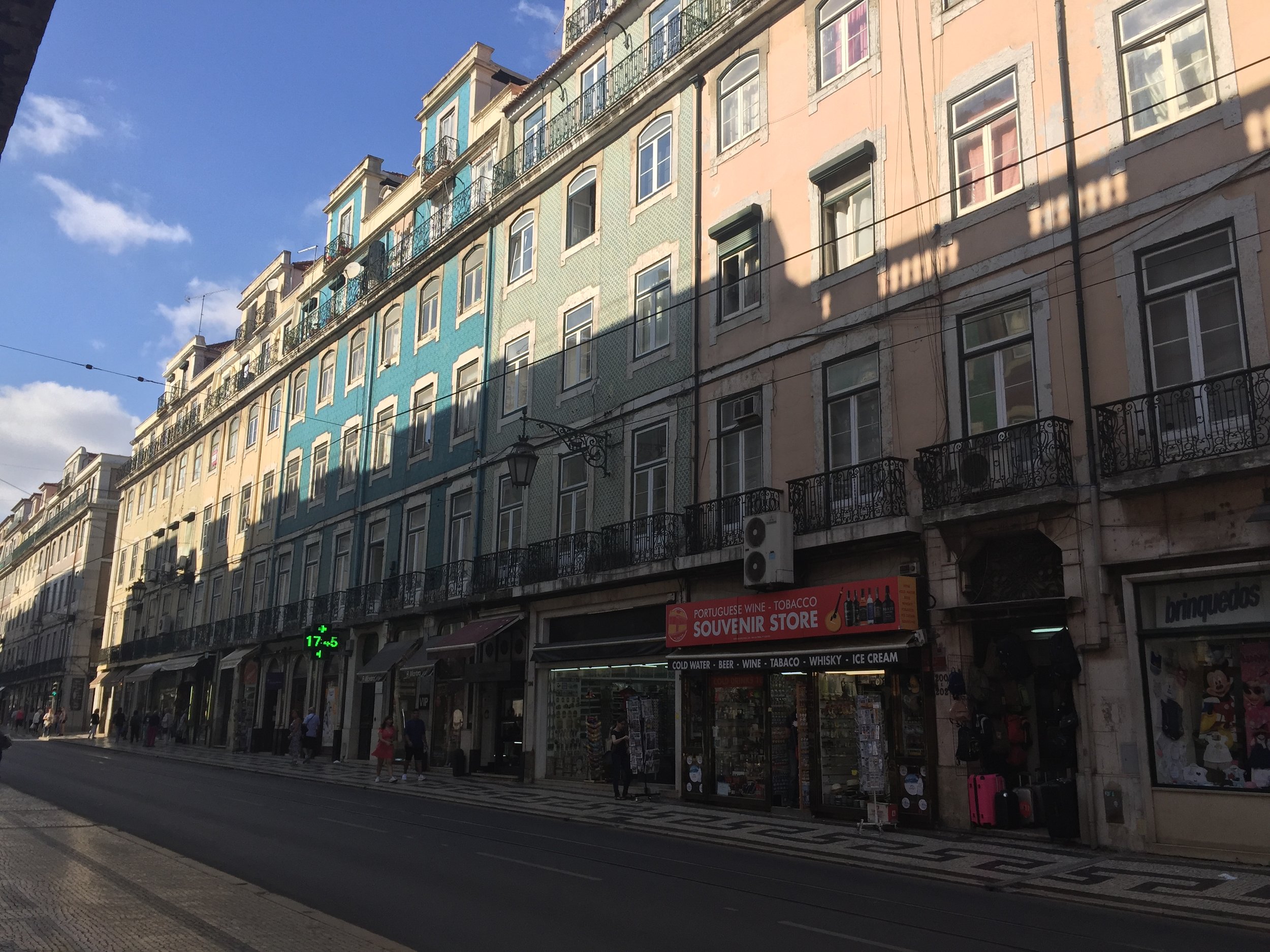
Take photos of the sidewalks; you will have gallery of this classic stonework that holds great nuance and variety of design and speaks volumes to the cities character. While nearly all city center sidewalks are black-and-white, few are the same pattern.
Where to go?
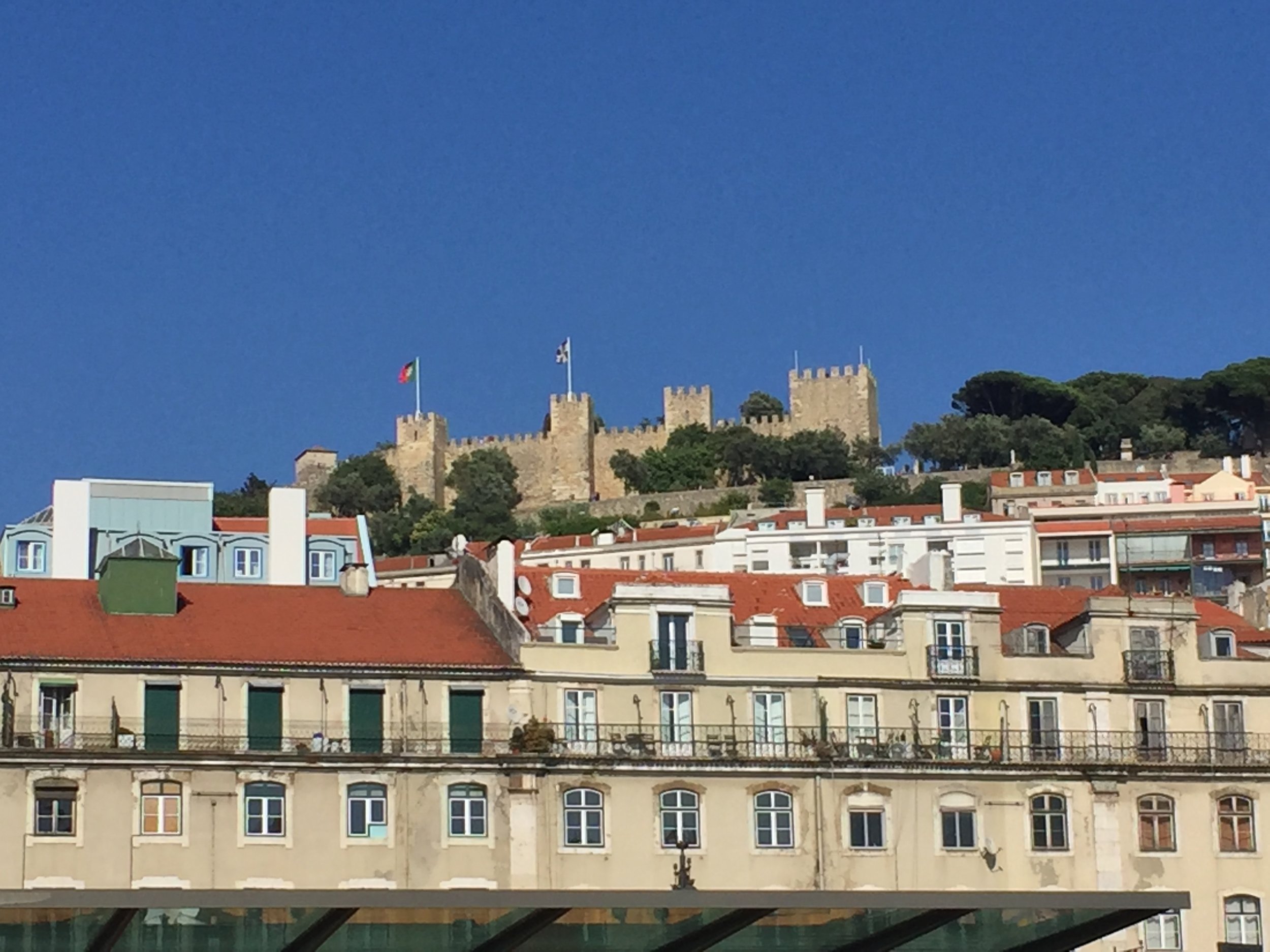
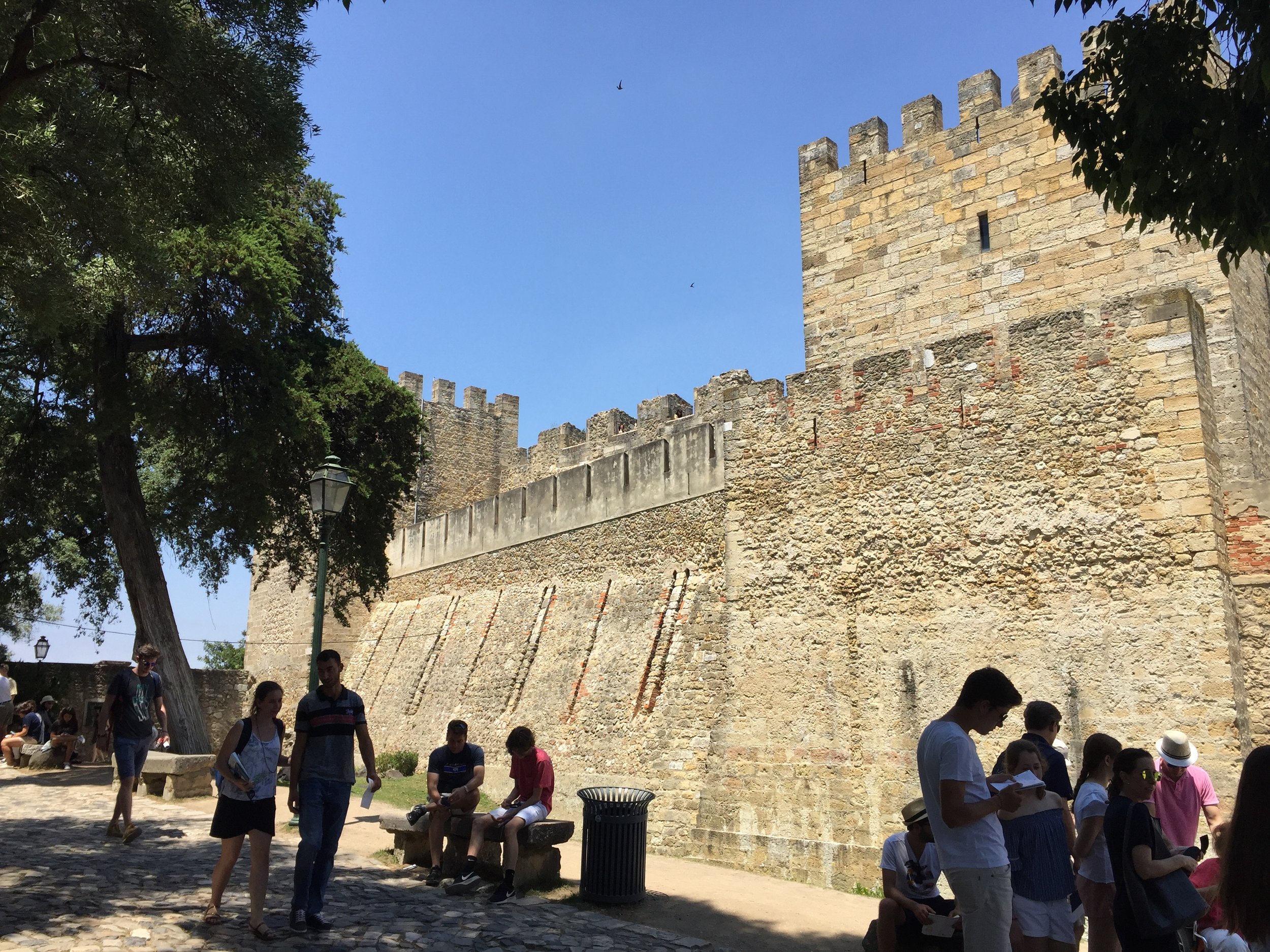
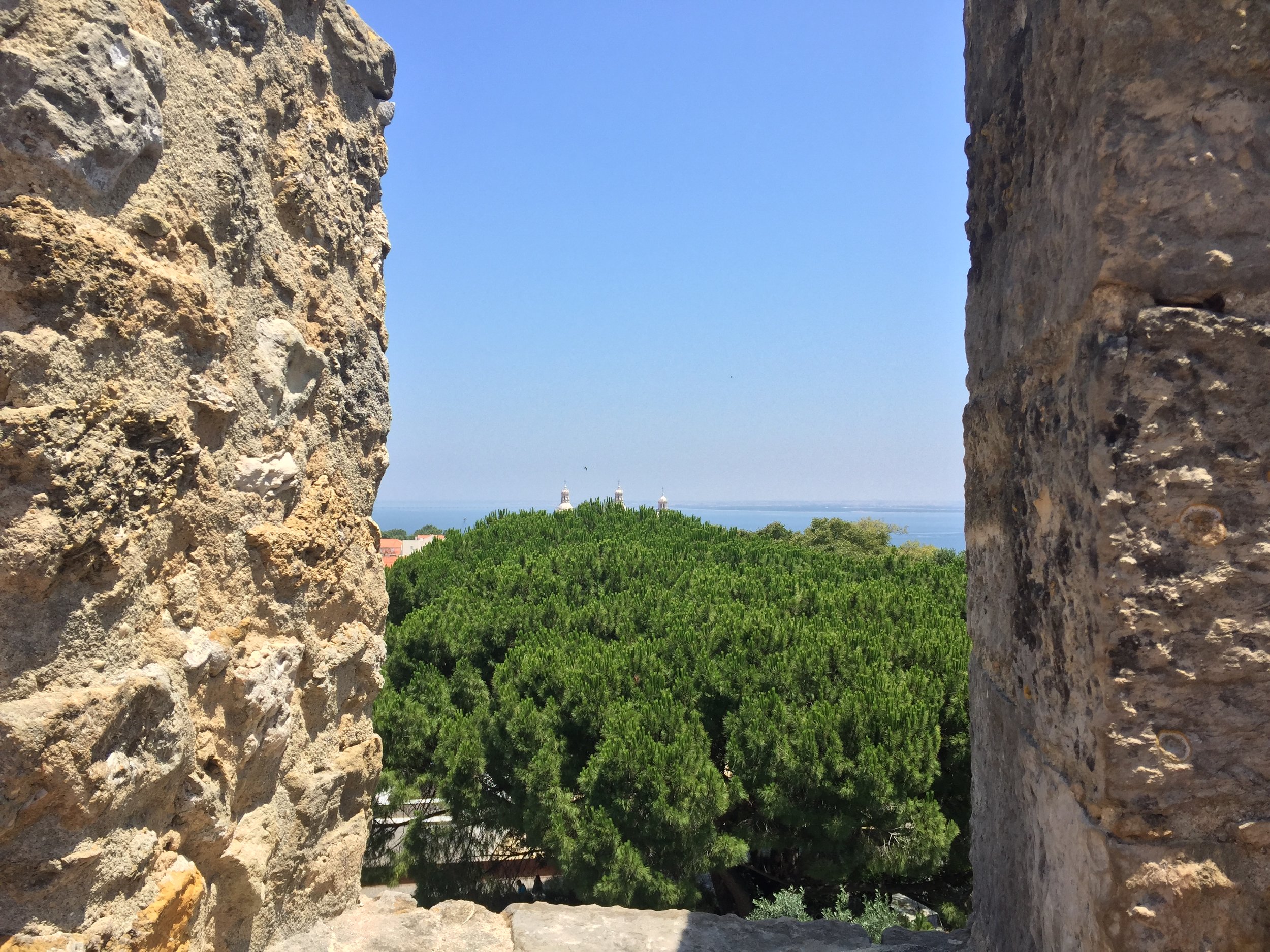
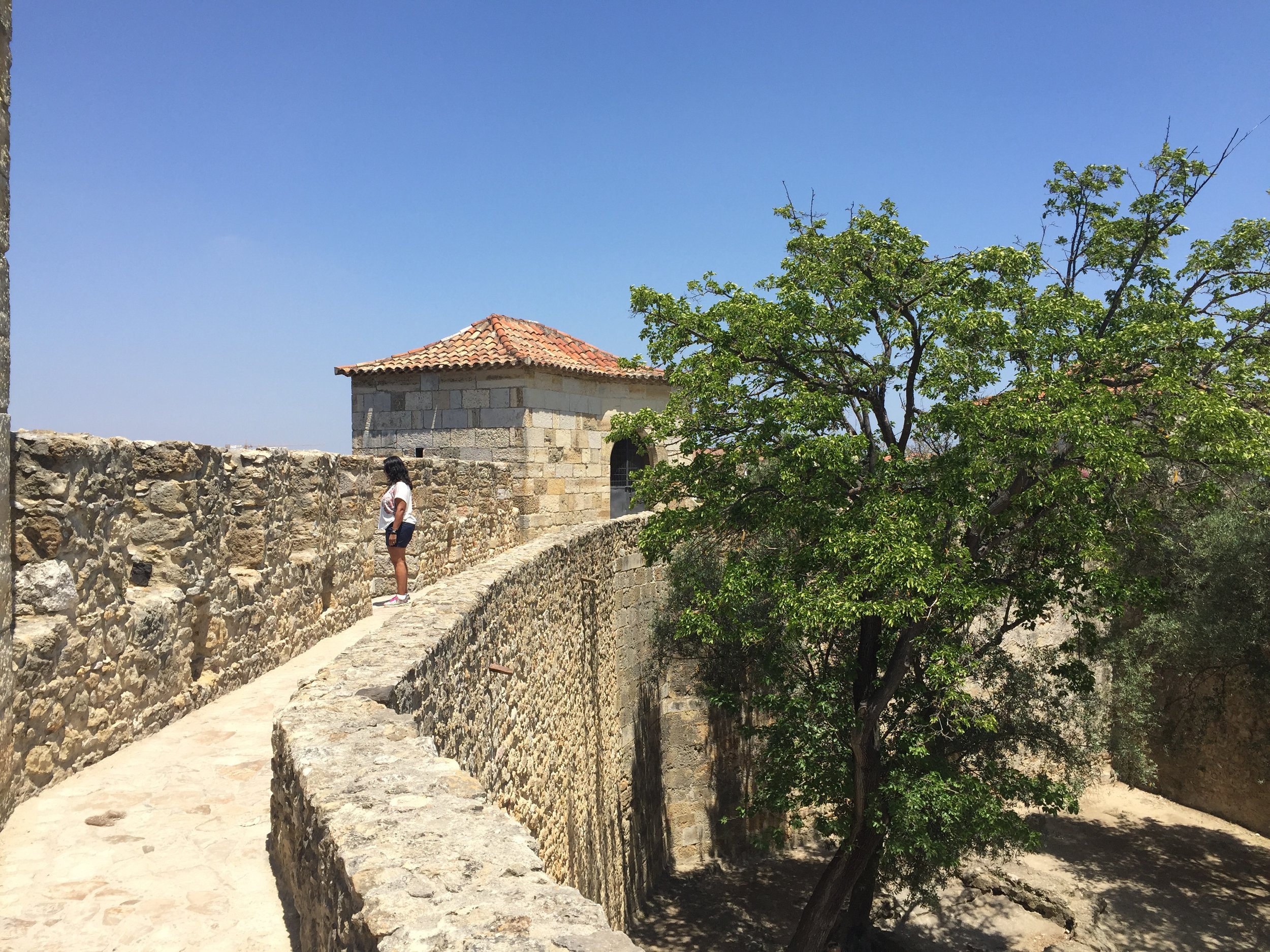
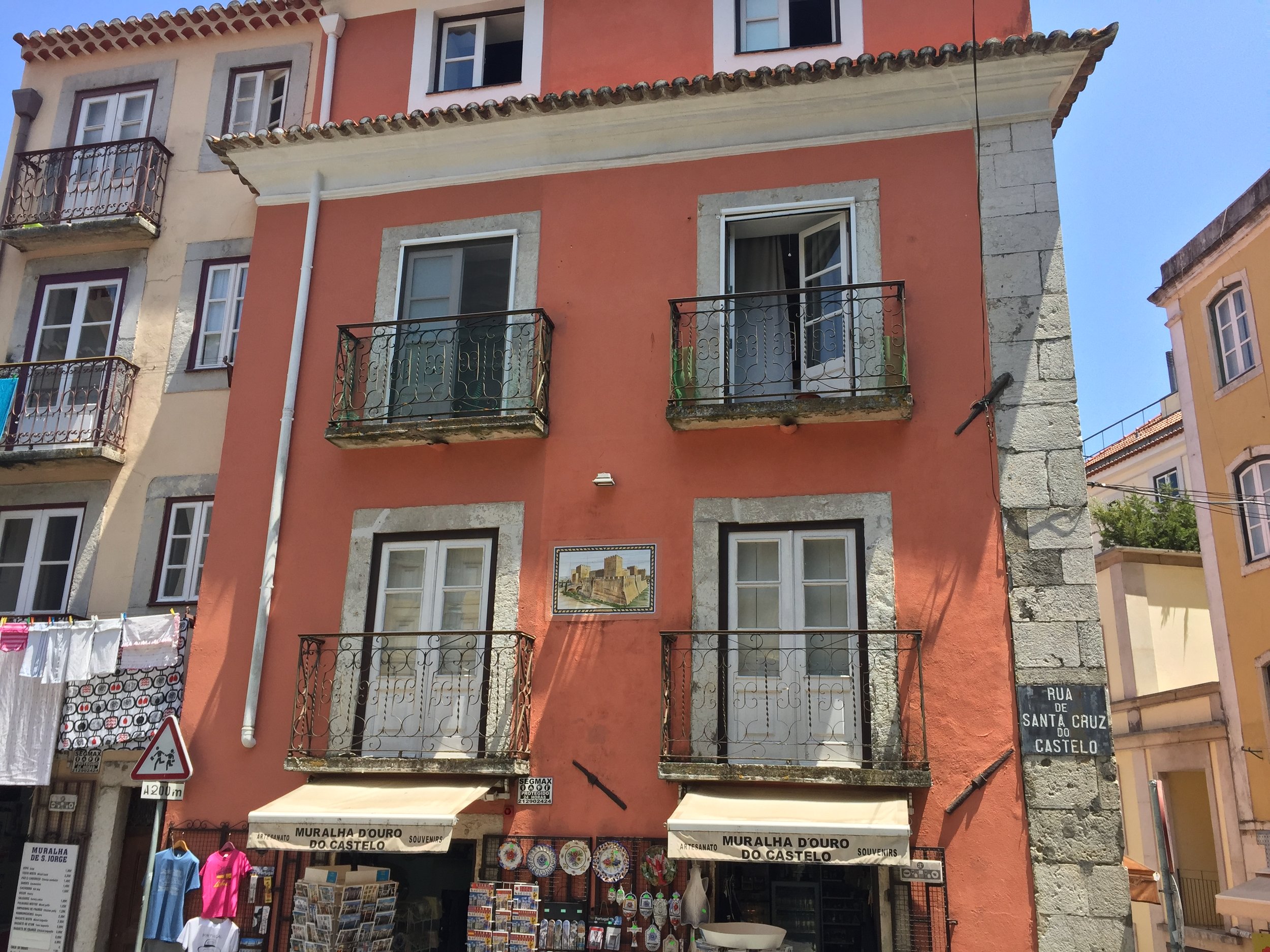
Castle De Jorge. Ramparts still intact, fun to walk no matter how old or young. Built on 25 centuries of human habitat. The hill can be a bit tough, but the close streets, dead-ends, cafes and tourist stands are classic.
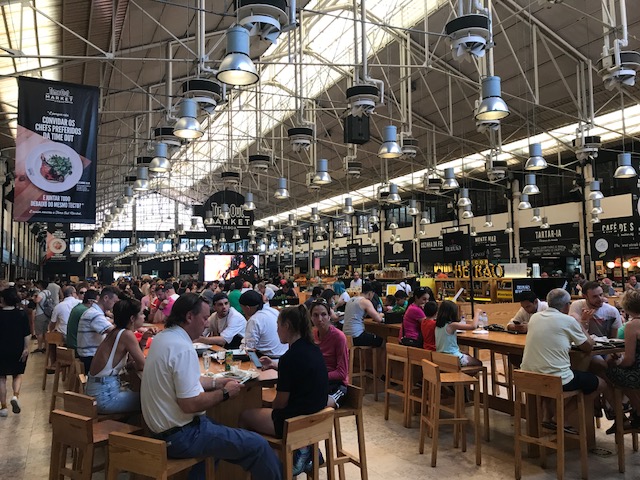
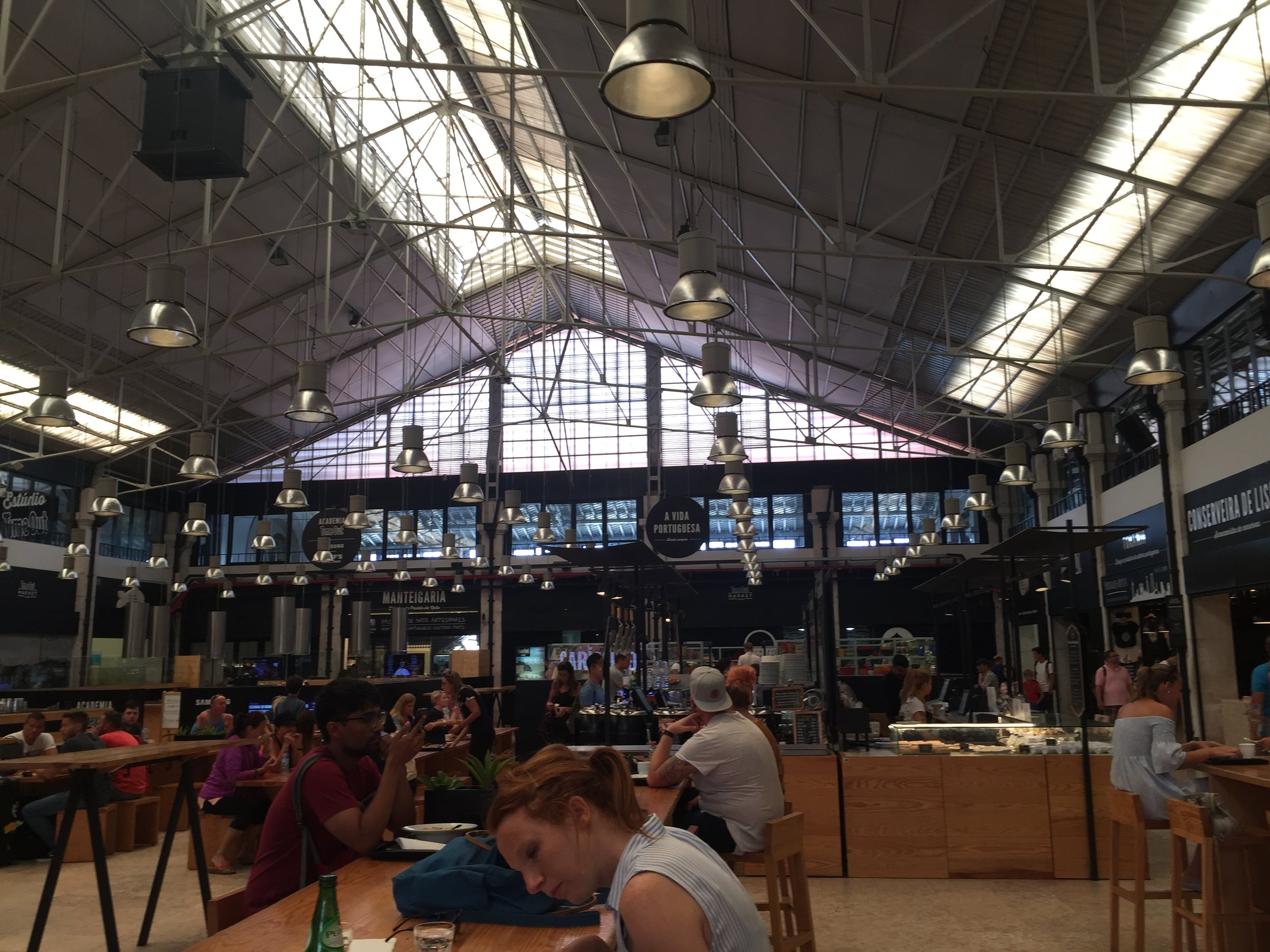
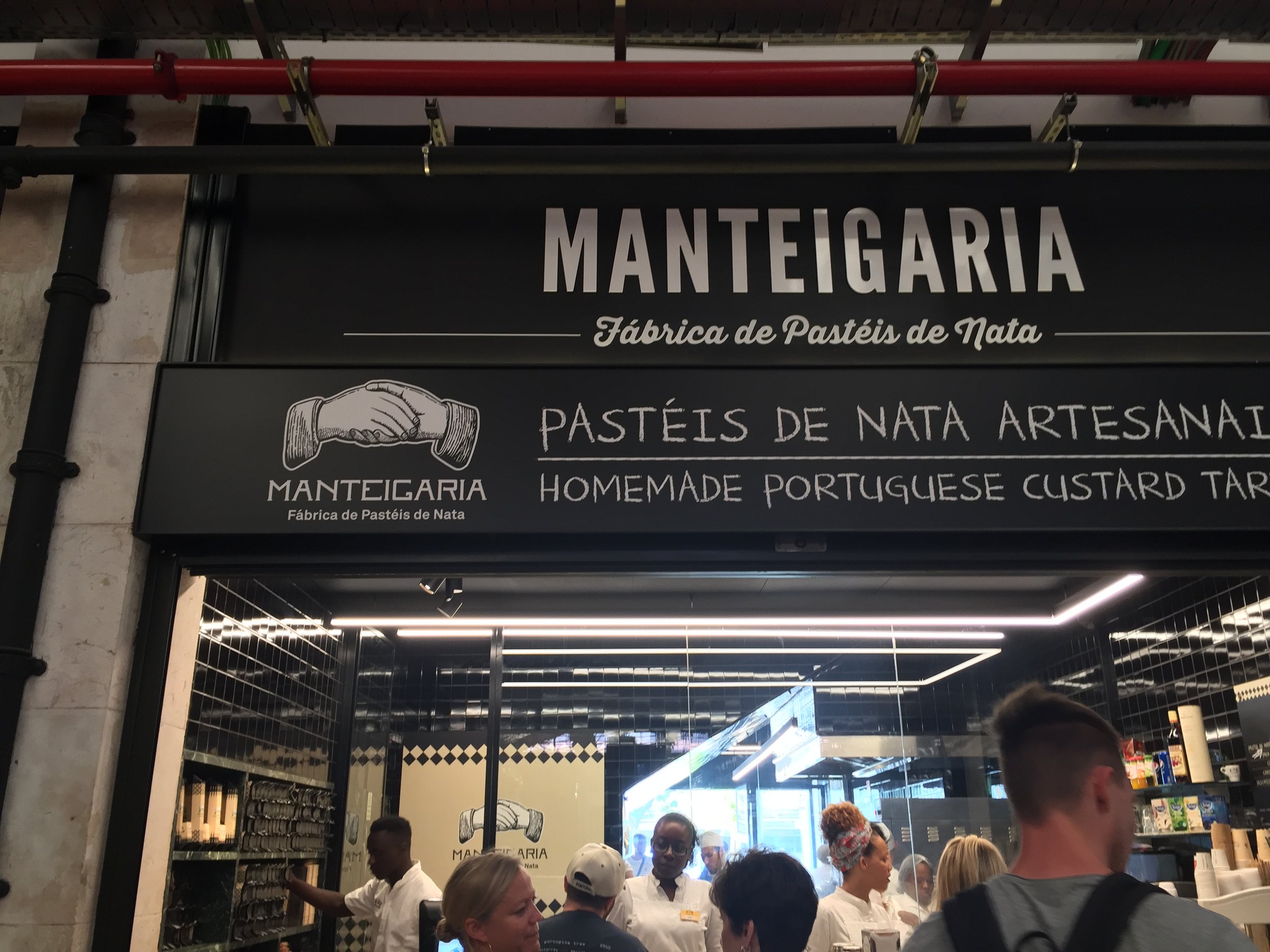
TIME OUT Market. Using the brand name of the worldwide city life magazines, this is a singular cultural, foodie delight. The stalls that line the outer area of the large glass-covered building are many satellite stores and some of the finest food, sweets, delicacies in Lisbon. The center of the room, with it’s long, rectangular shared tables, is like holding onto the live wire of true city energy.
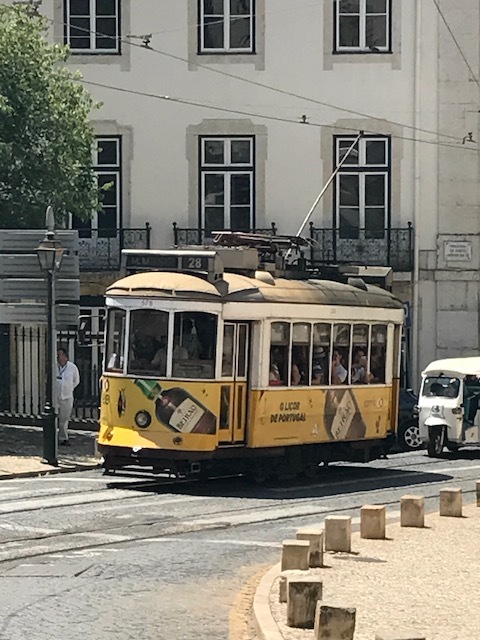
The #28 trolley car. Not for the frail or claustrophobic, but so much fun. This classic old trolley line takes you from one side of the city to the other, into the flat area and across to another hill. At some points, the streets become so narrow, people need to step into doorways to let it pass.
O’Faia Fado restaurant and performance. Try the shrimp in garlic and the cod souffle. If you can see Anita Guerreiro, you must. She — and other Fado singers —will move your soul. Even without knowing the words, the melodies cast a universal mood.
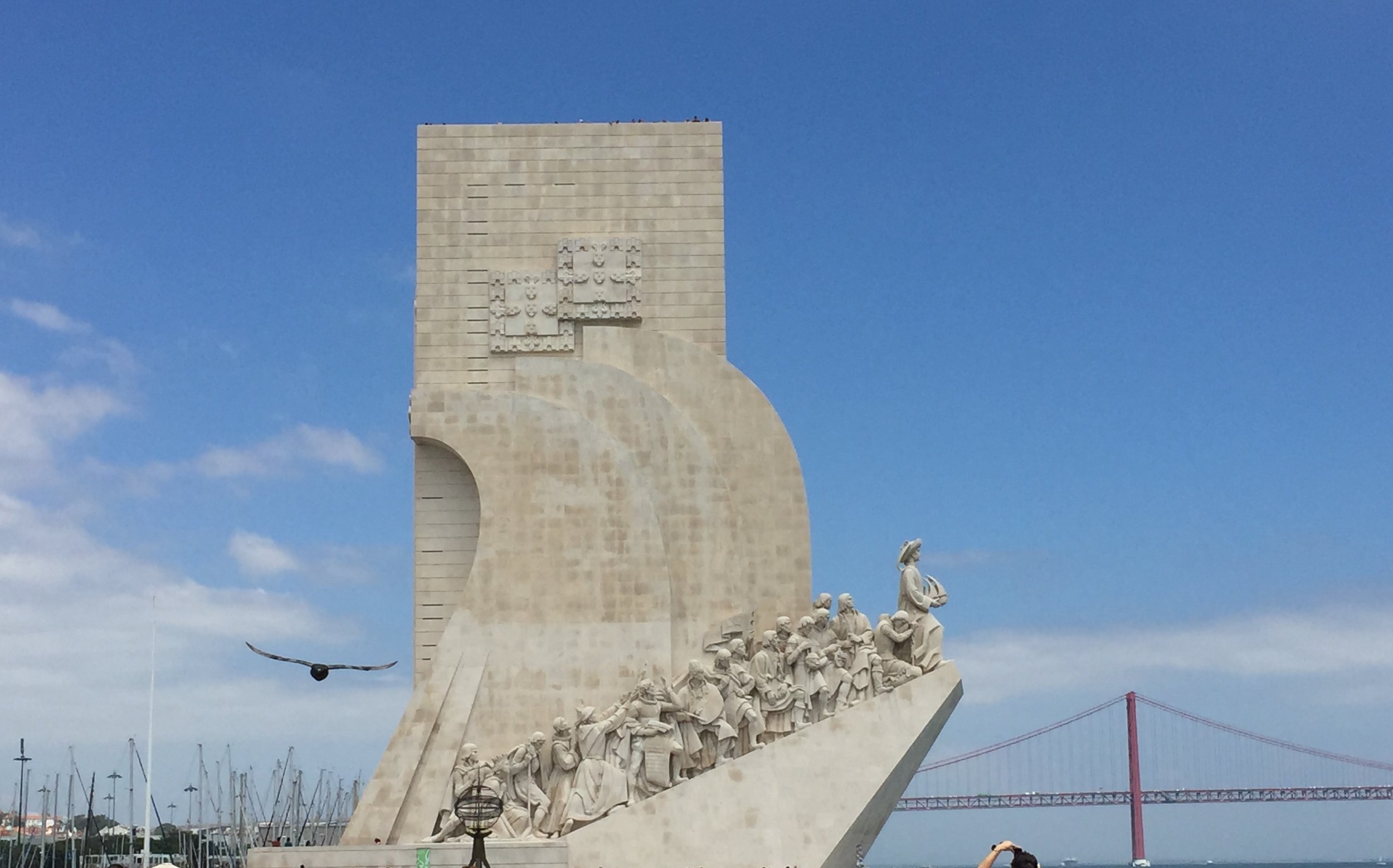
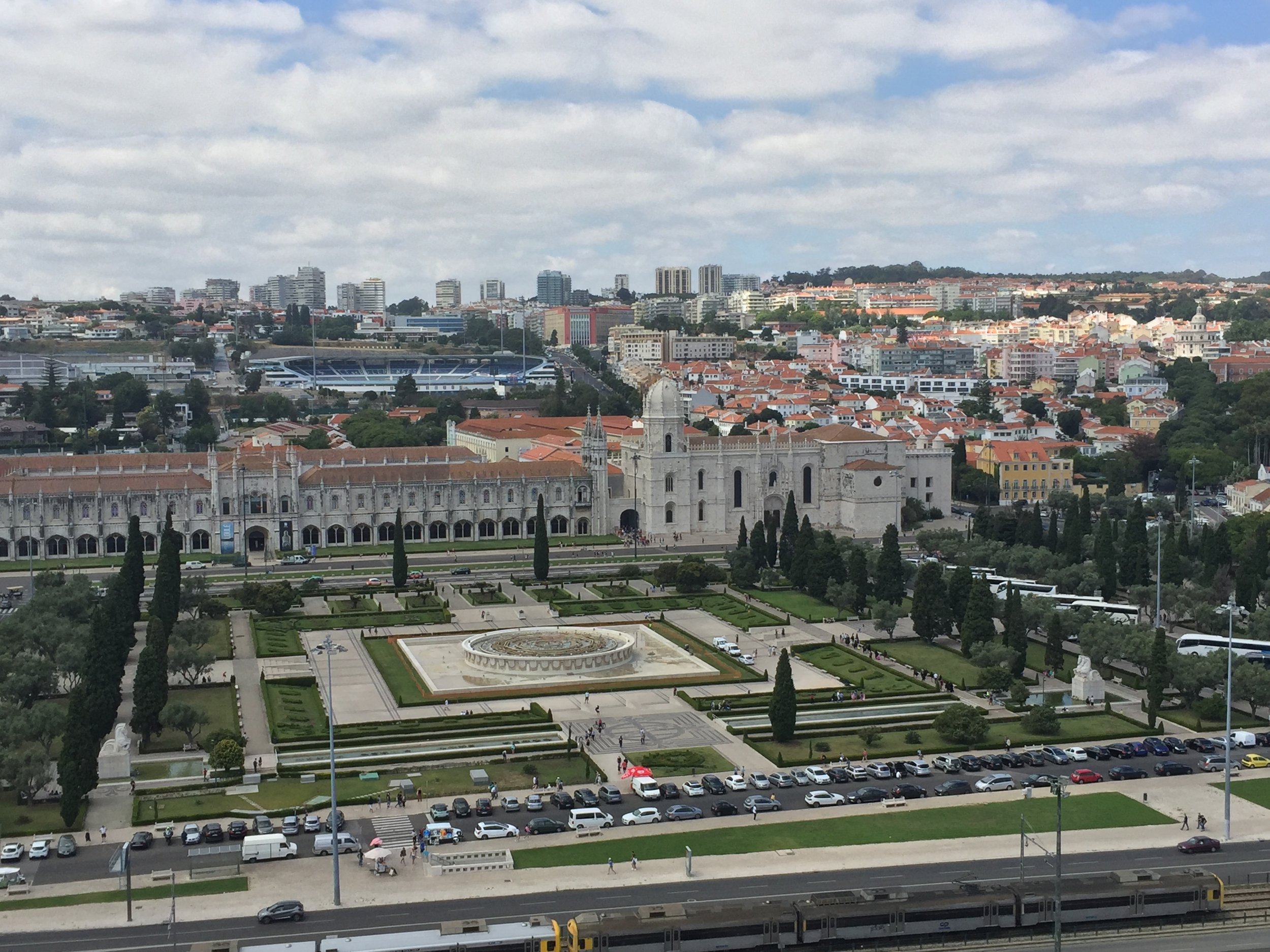
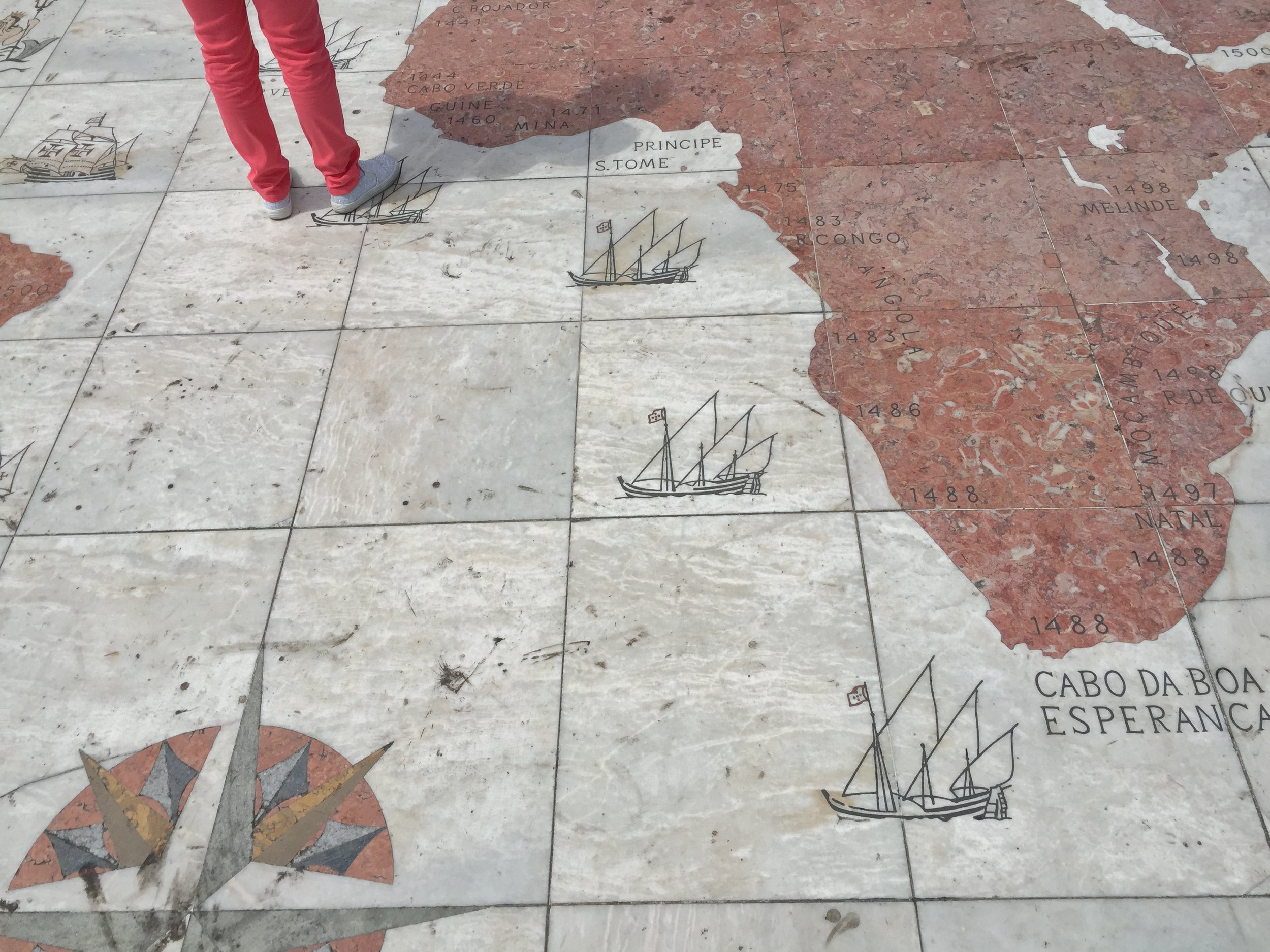
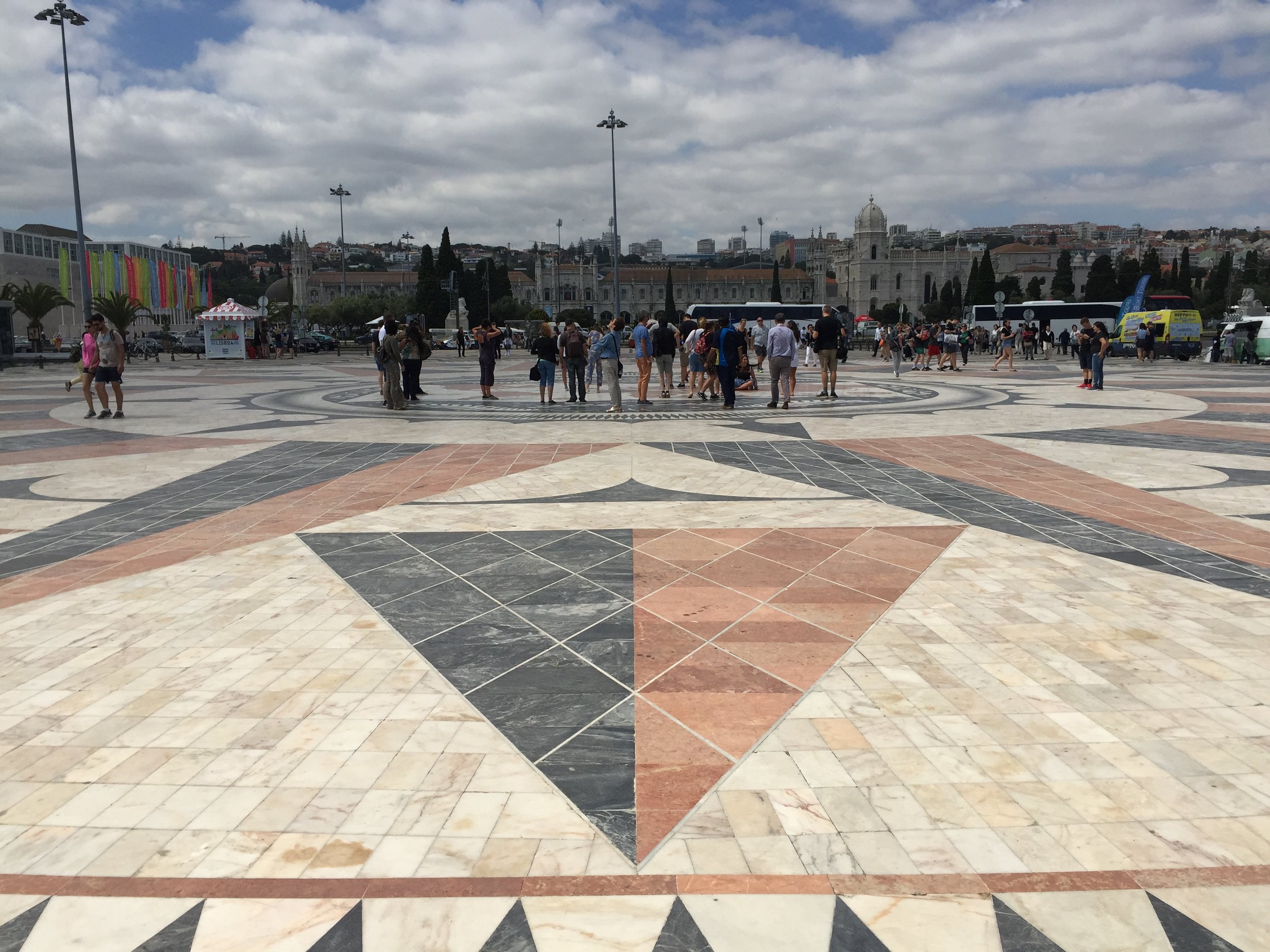
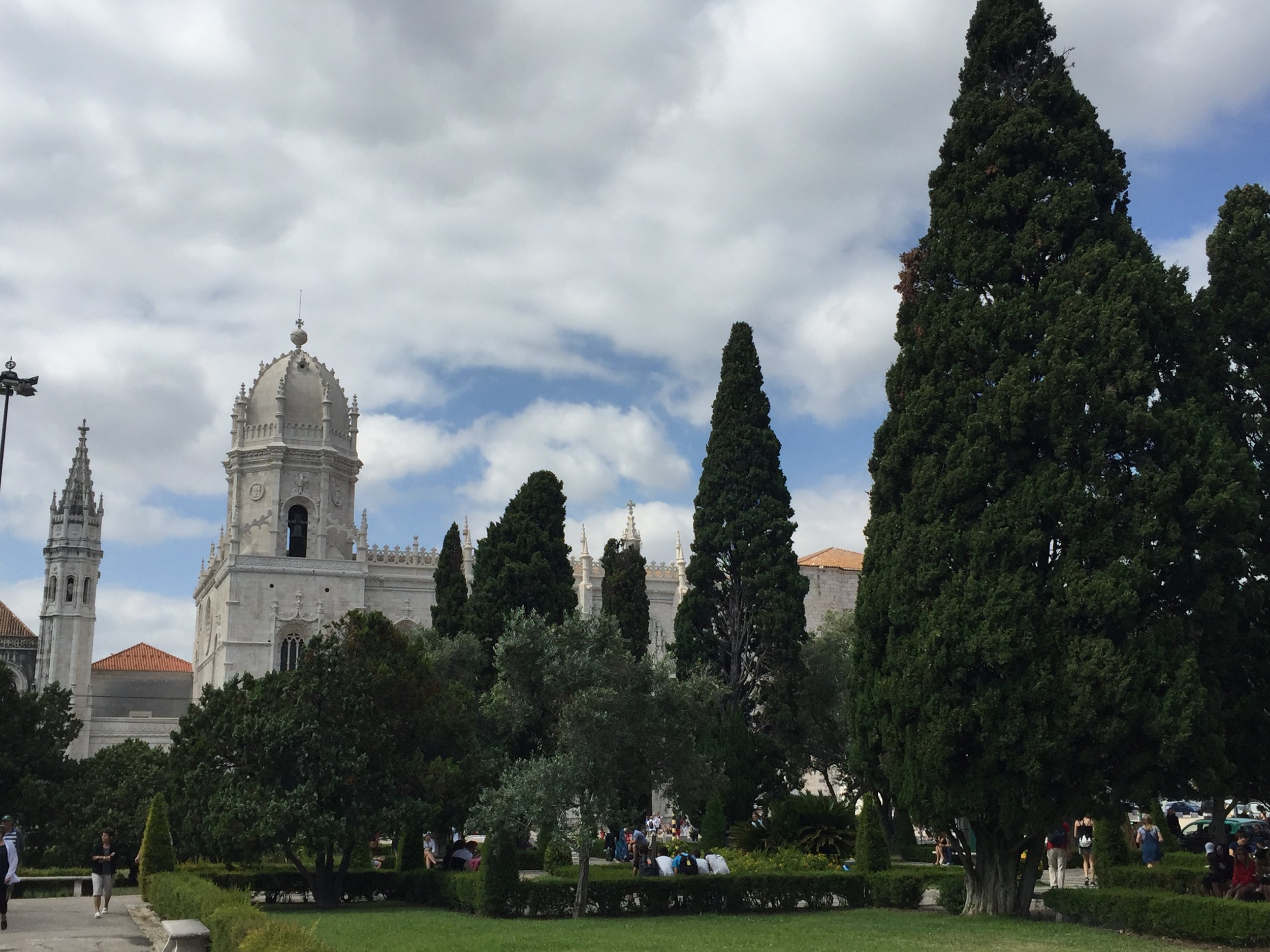
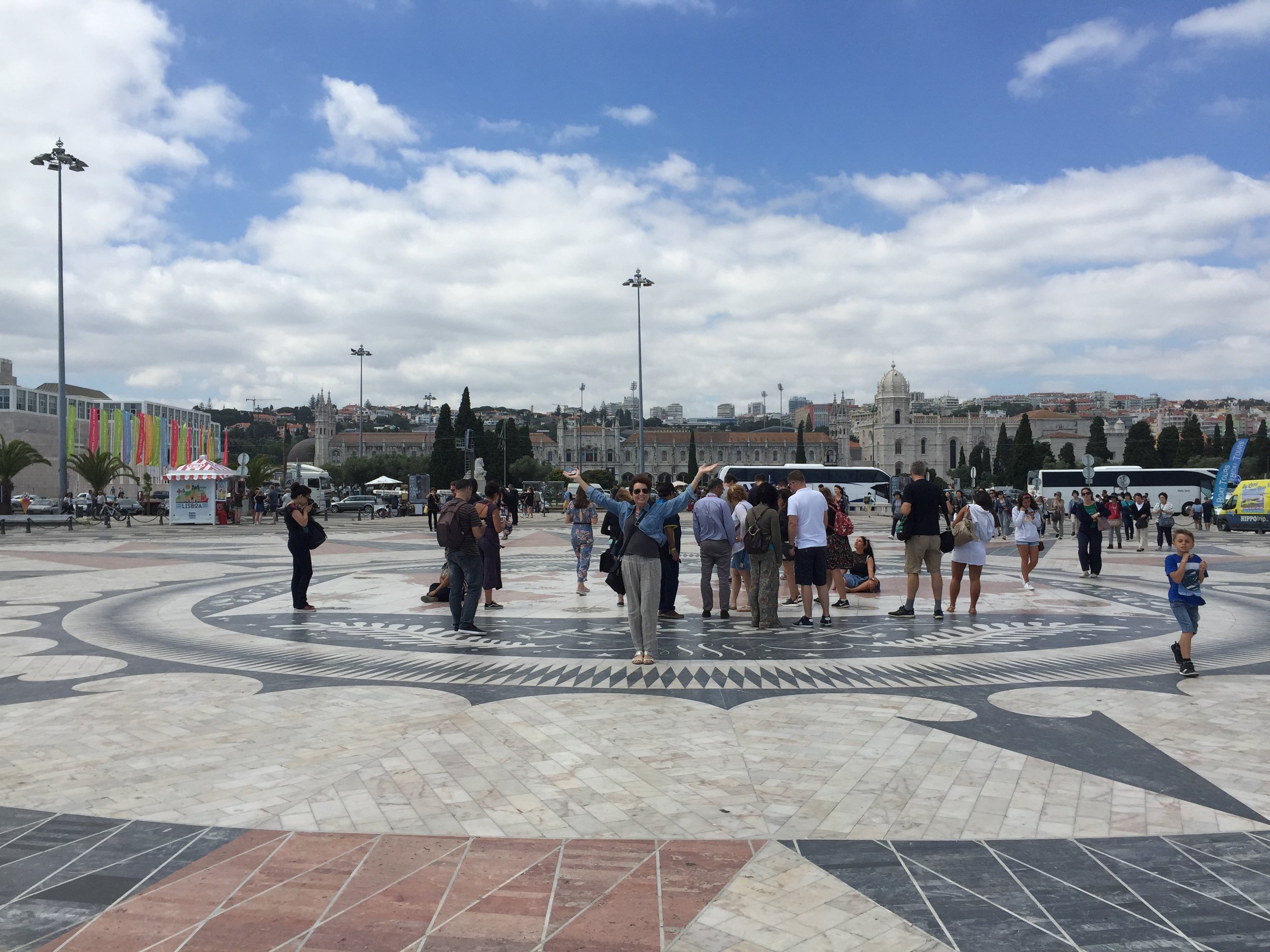
Discoveries Monument: In the Belem area down by the river and near the April 5th bridge, lies what is the most beautiful, moving and powerful historical monuments and mosaics celebrating the rich history of the Portuguese people and their naval history and conquests.
The monument is shaped like the prow of a ship, with sculpted figures leading to its sharp forward edge. The elevator whisks you several stories high for a view of the river, the city, the nearby monastery; while grand in its scope, look down and see the massive tiled view of the world with the key moments in Portuguese history noted — they had an incredible empire and this map captures so much.
Magano restaurant. This is the link to its Facebook page; the restaurant does not have a web site. If you do not speak Portuguese, do not waver; the staff and owner will take care of everything and you will leave having had a genuine, local, outstanding dinner. Since it is not in the city center, it requires a taxi ride; but while in the neighborhood, take a window shopping stroll, sit in the nearby park. Very peaceful.
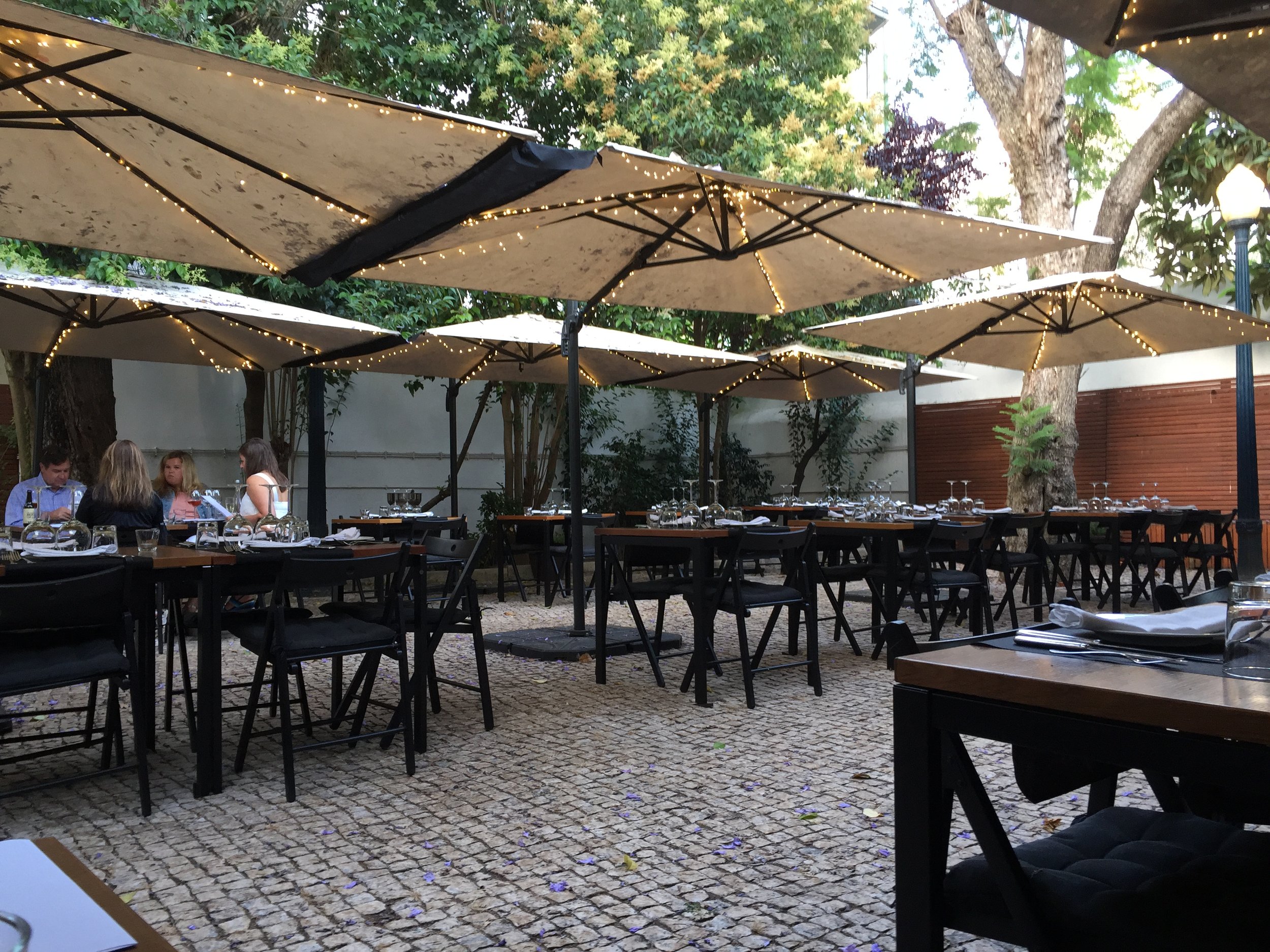
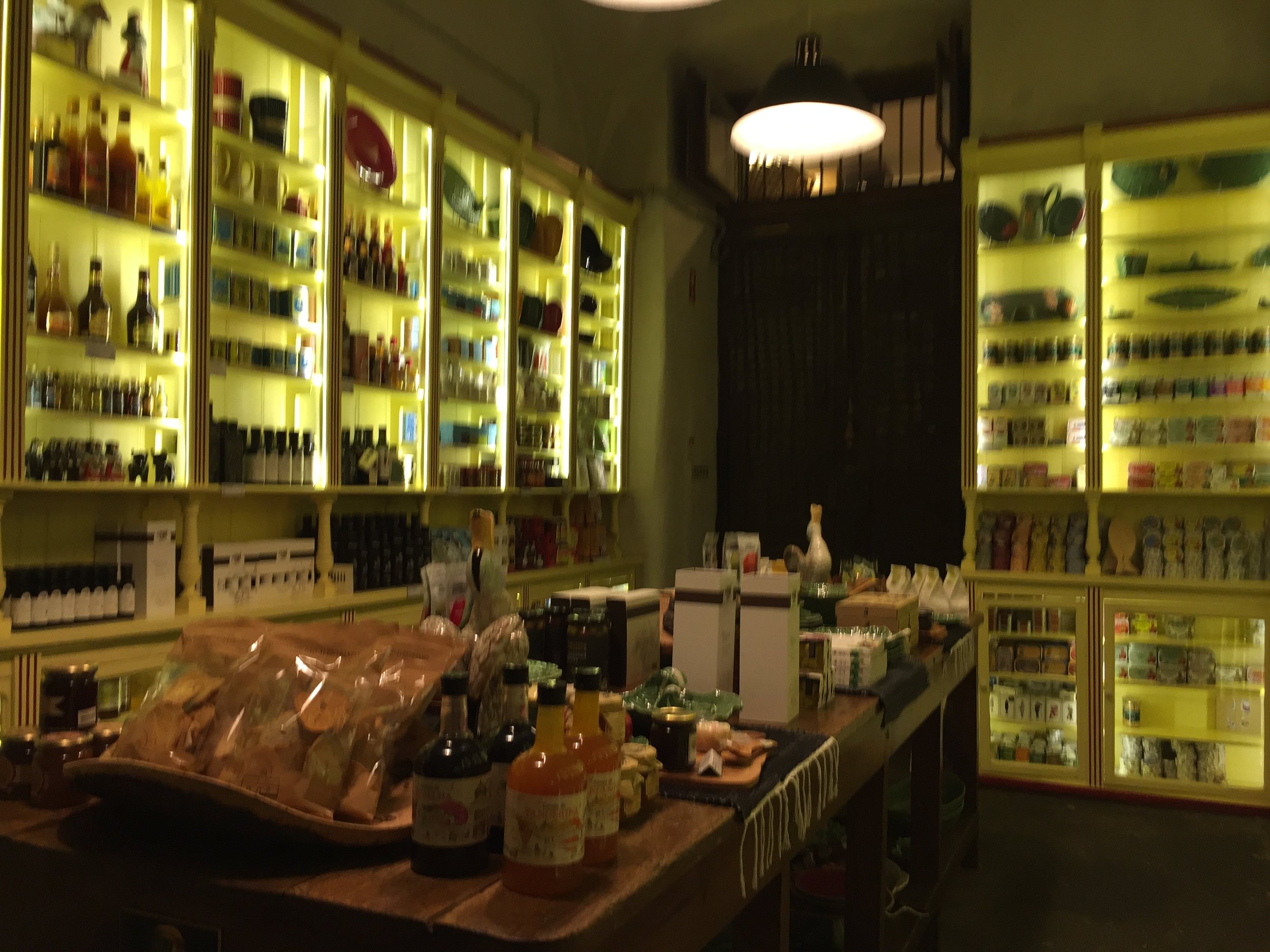
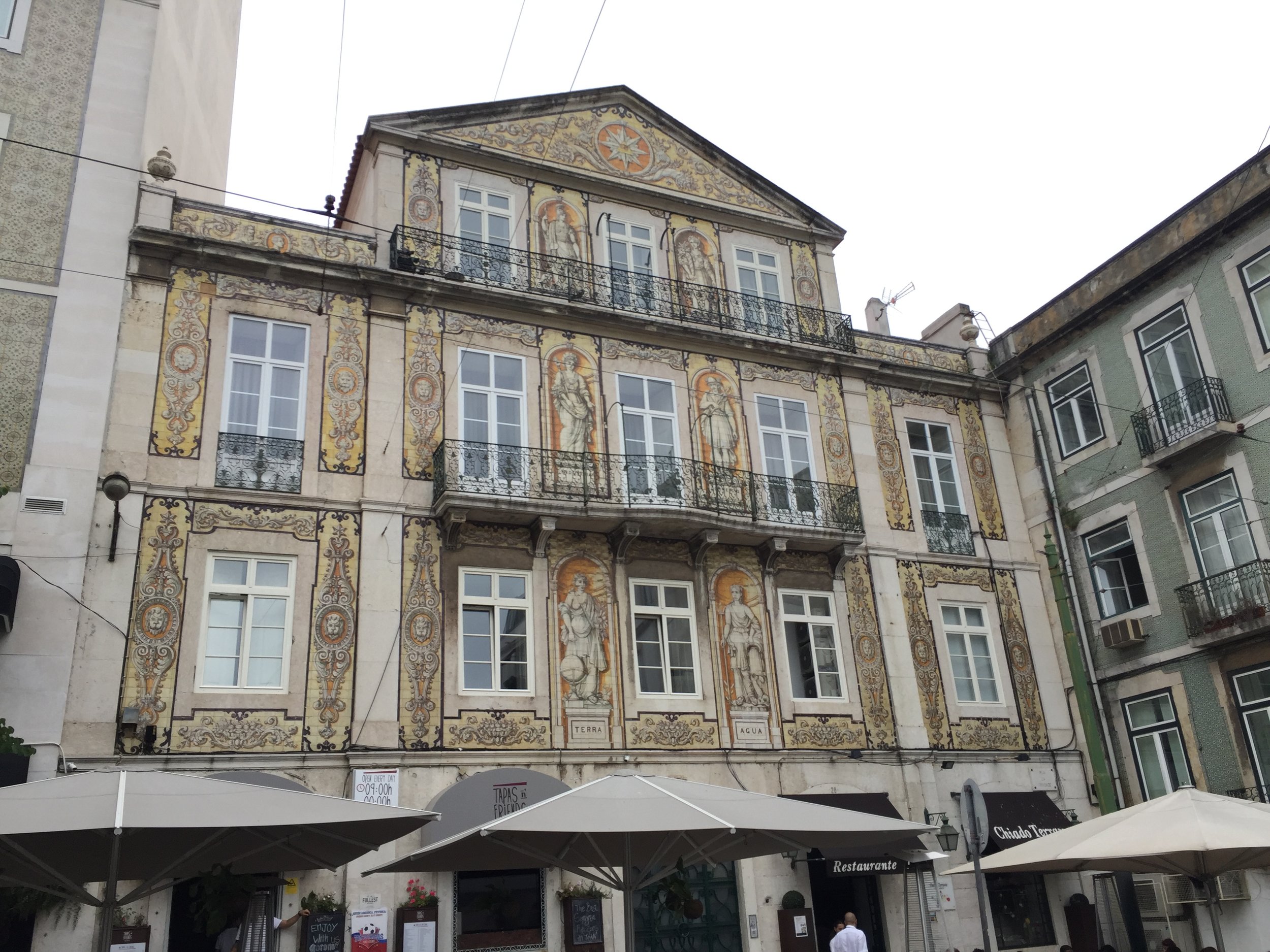
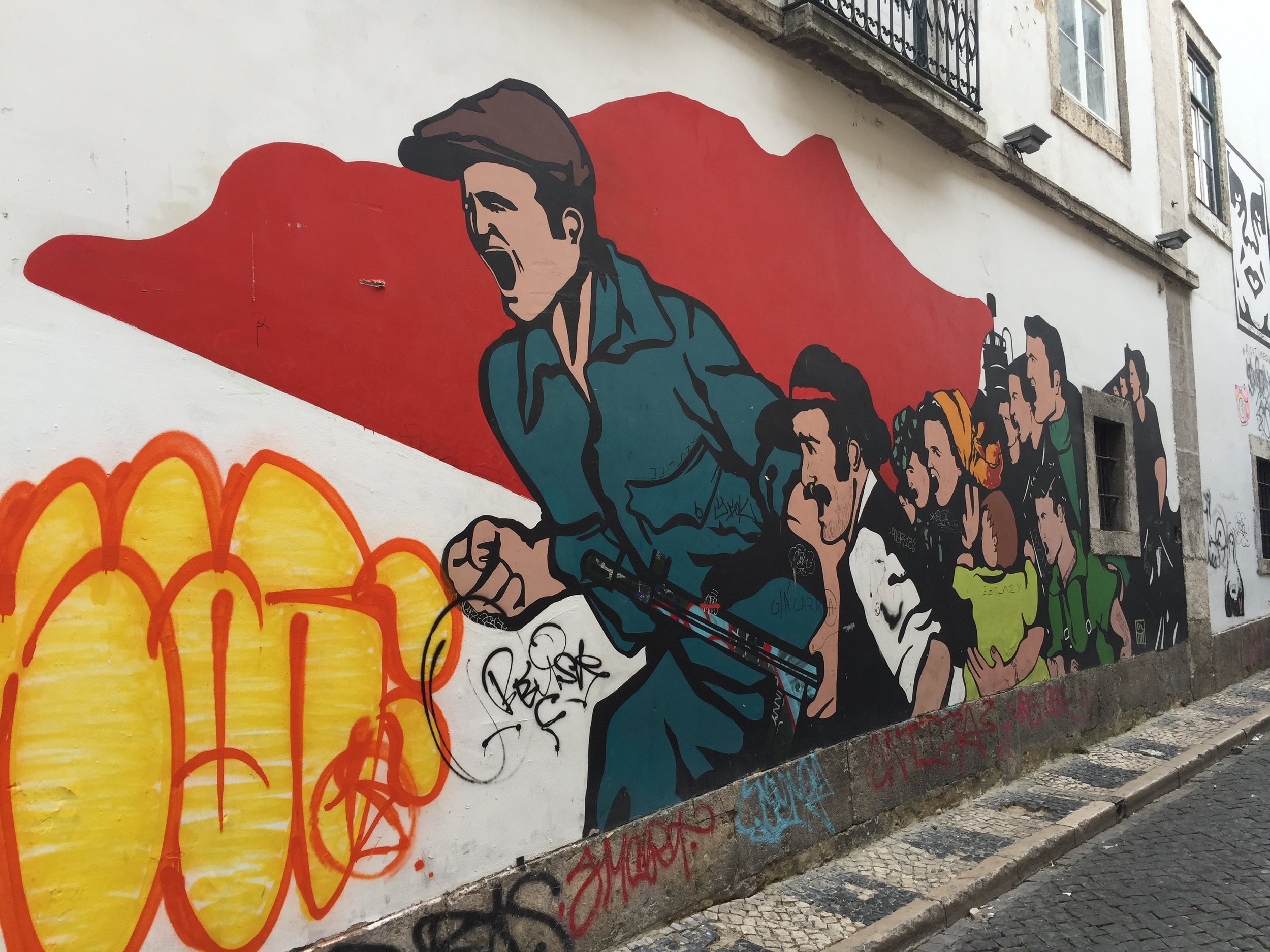
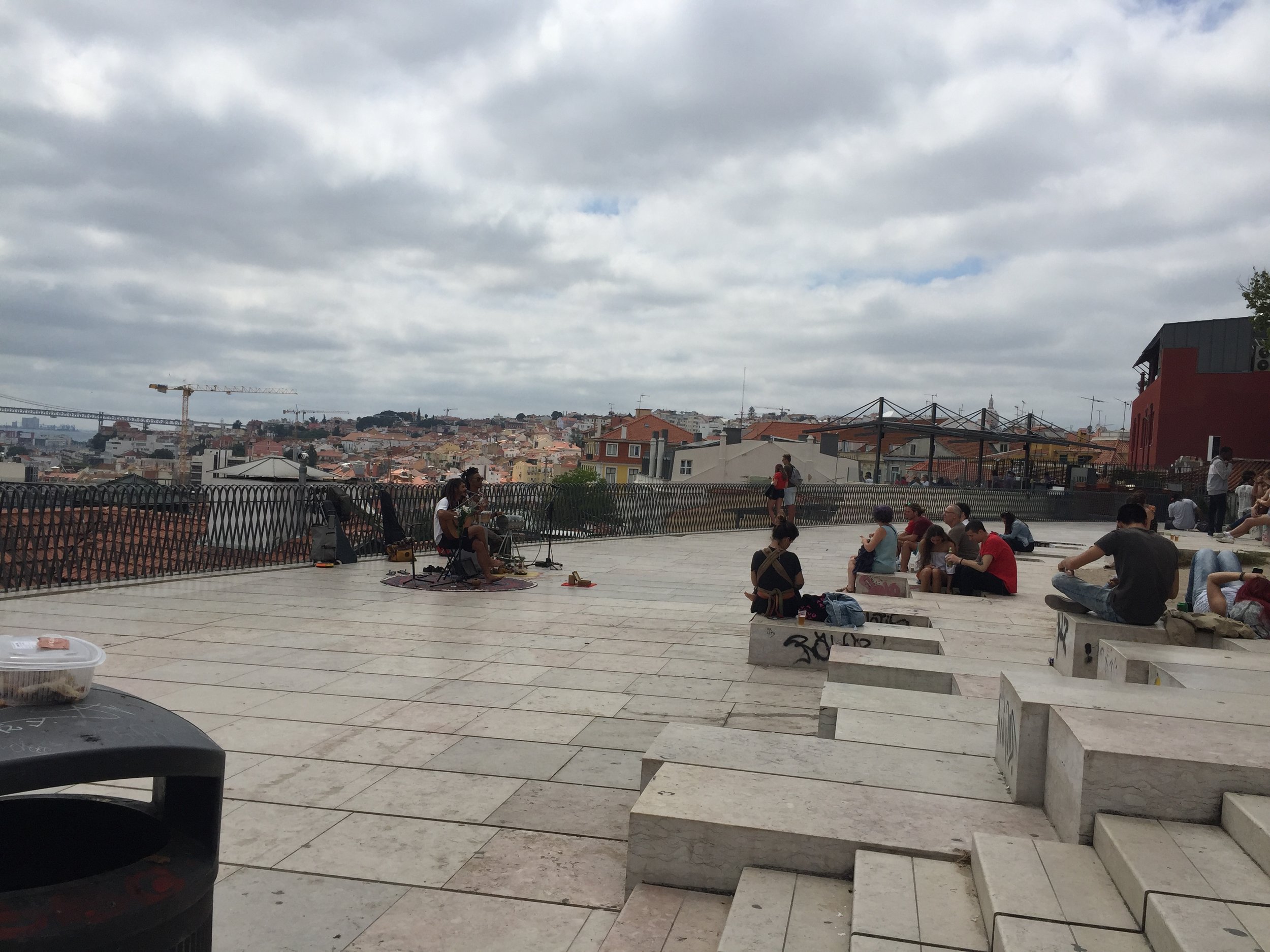
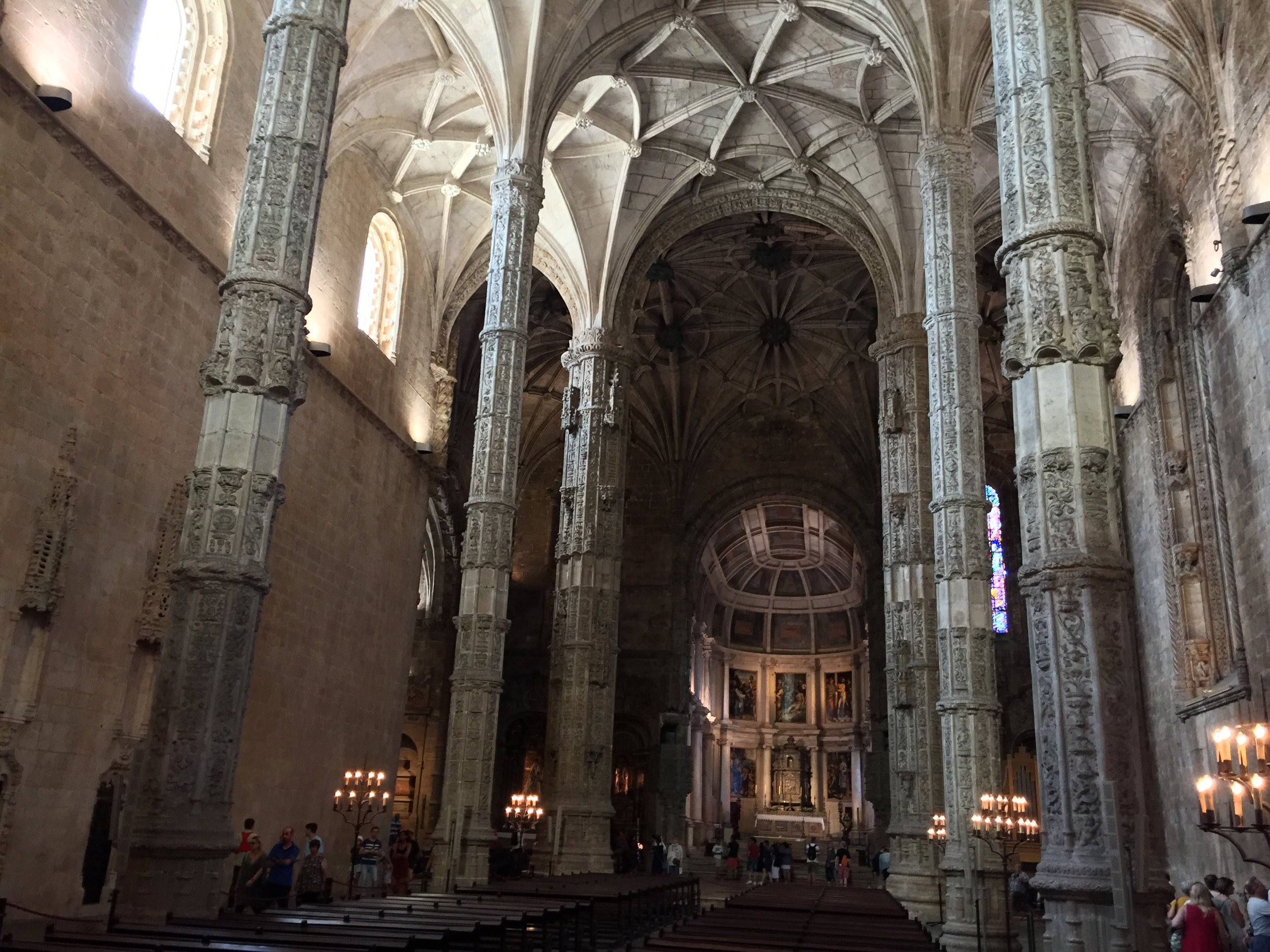
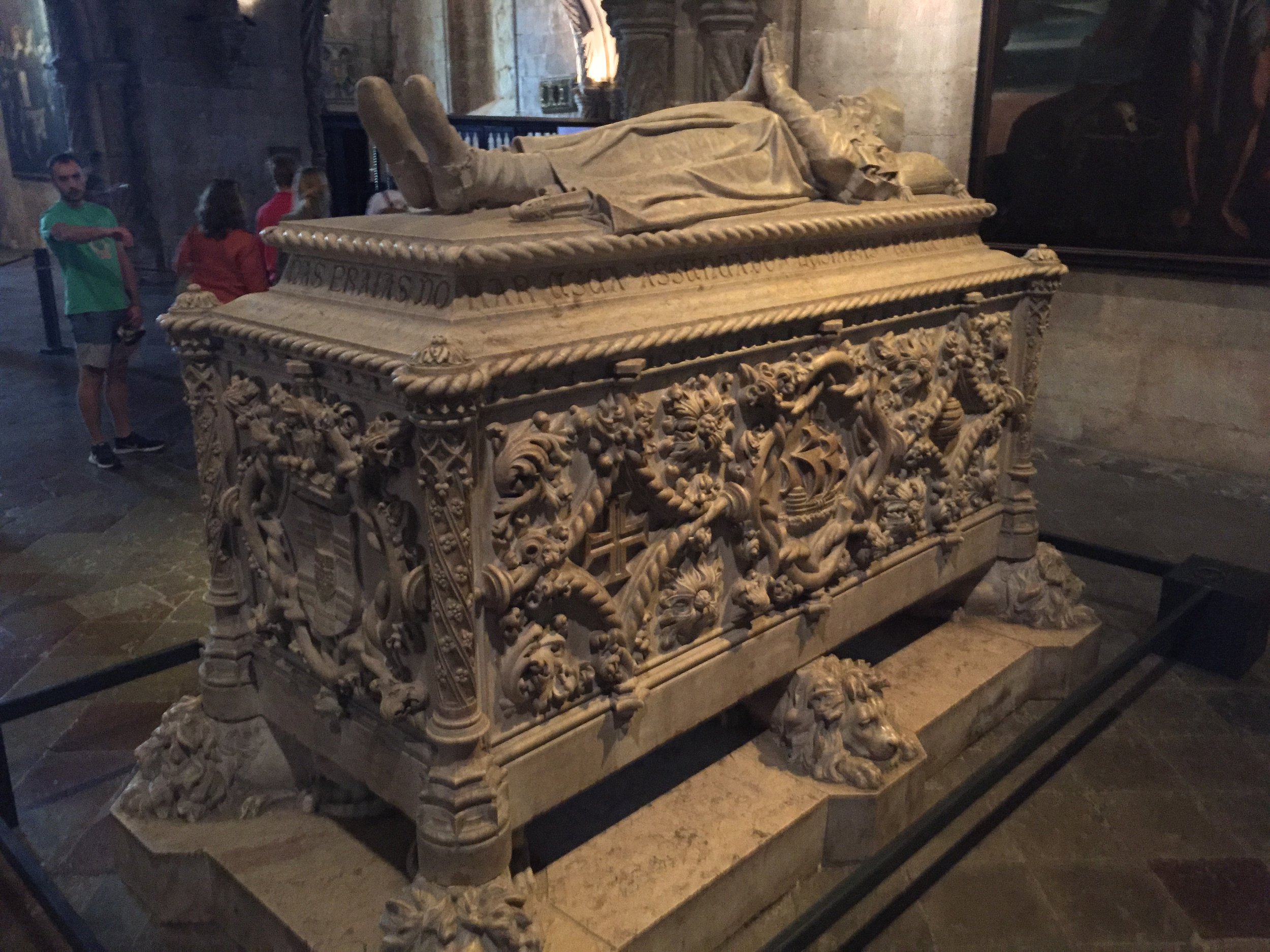
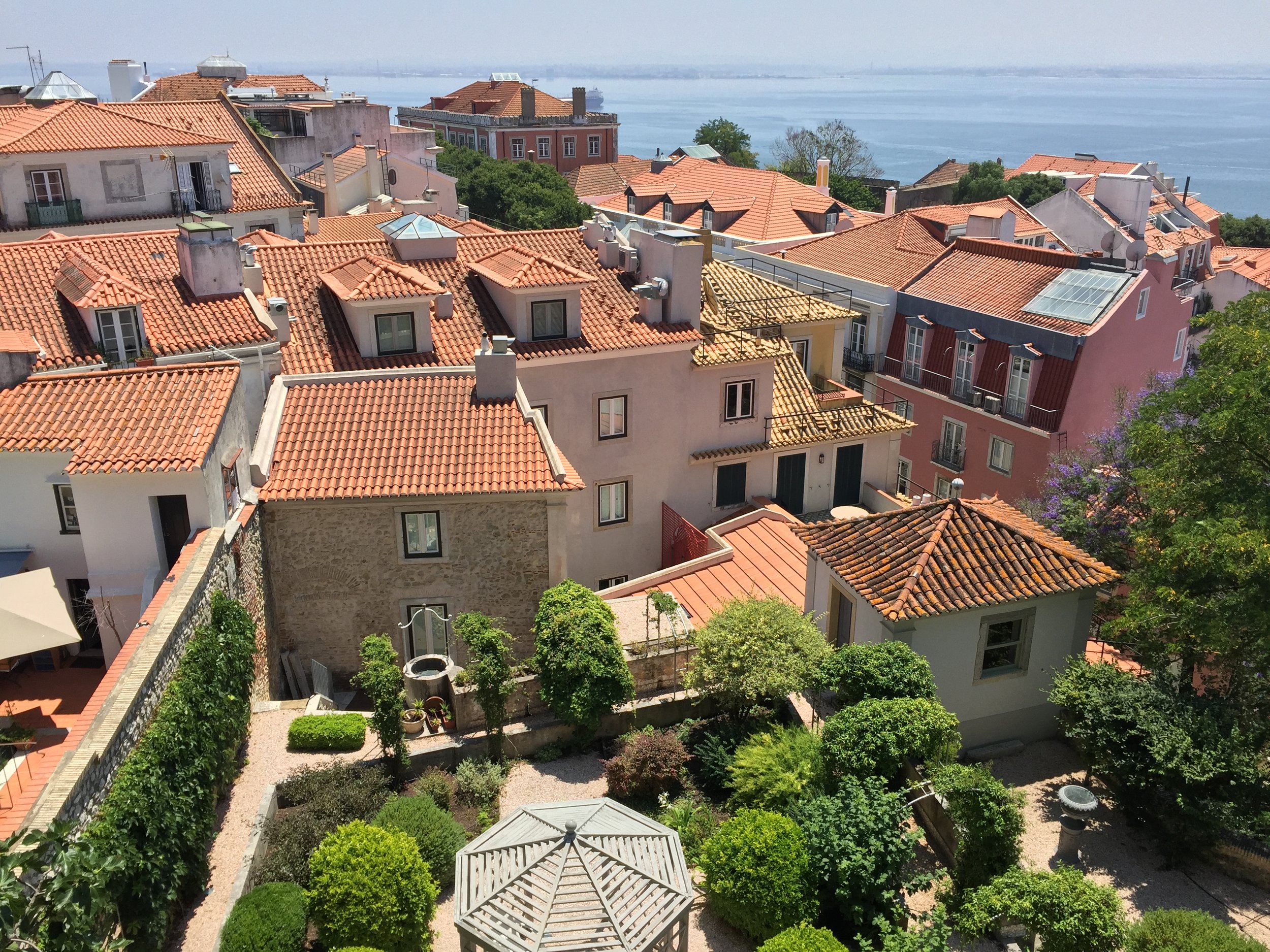
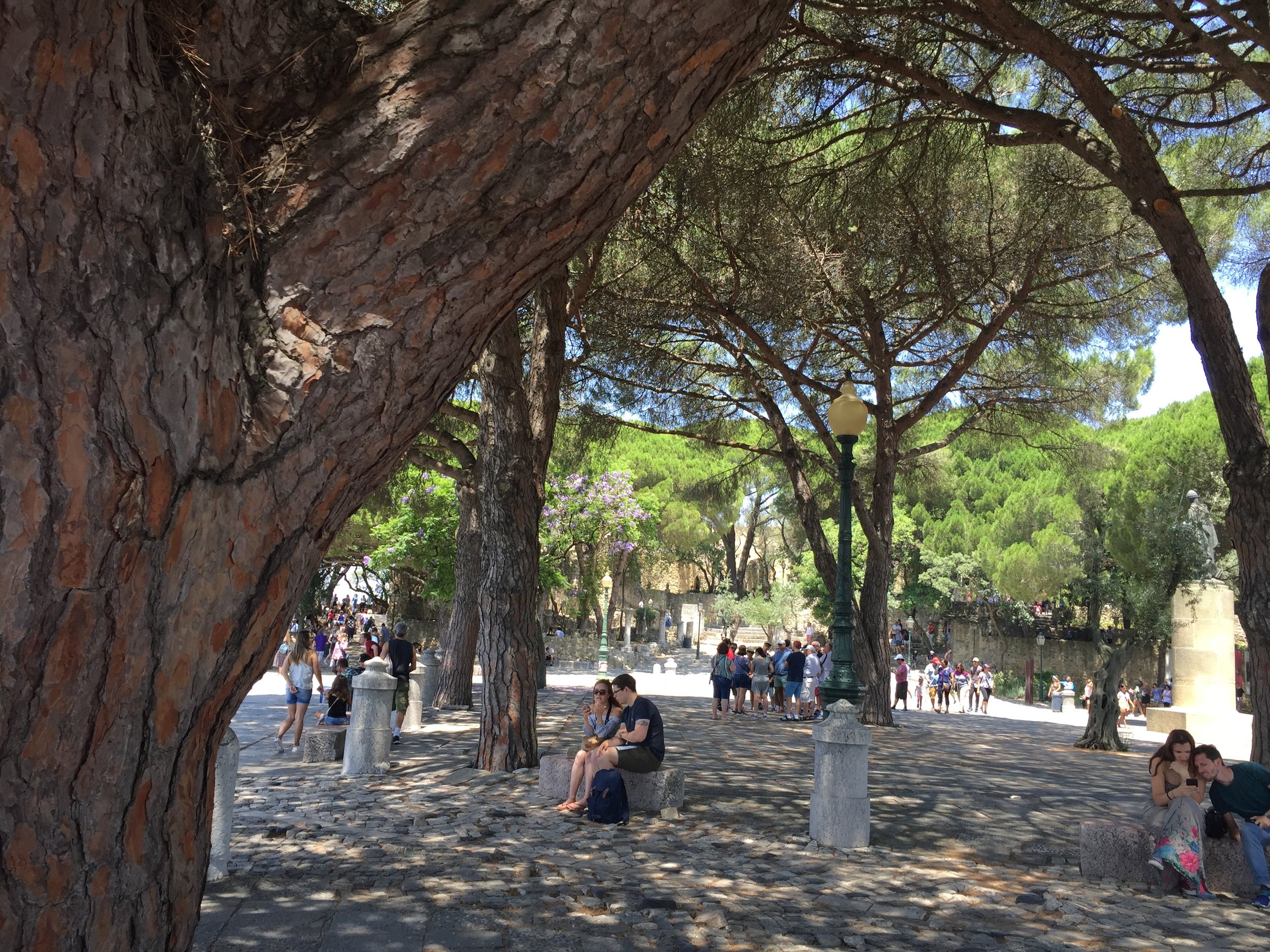
As we finish this post, please note the two collages of all the disparate and beautiful images of Lisbon. Hopefully they will inspire your own trip! Lisbon may well be our favorite European capital. Why? Visit yourself and write me. It most likely will be a nuance, a moment, a personal detail.















 Outspoken Traveler
Leave a comment