
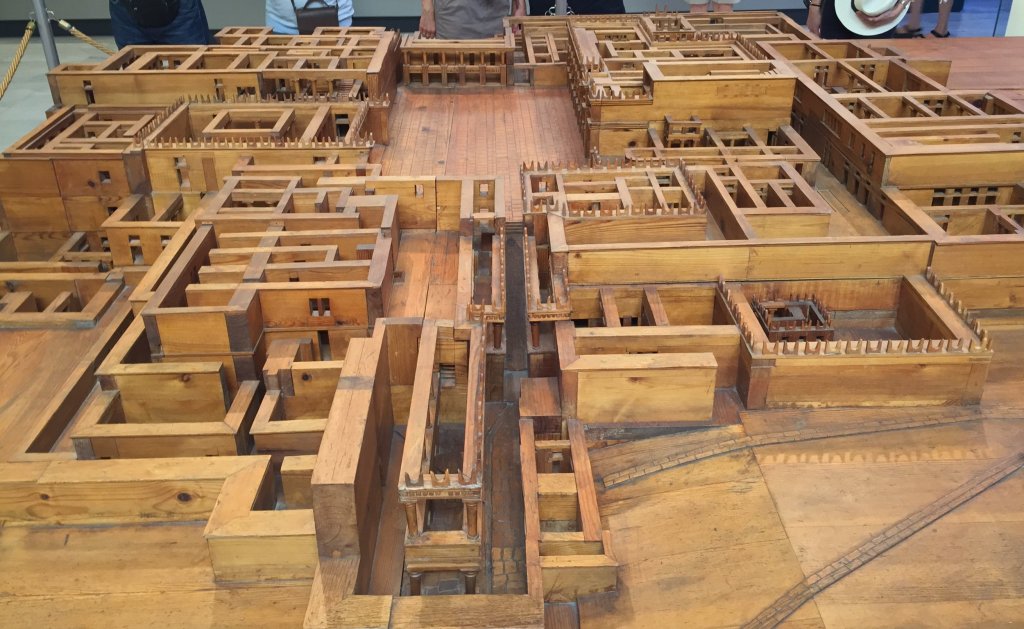
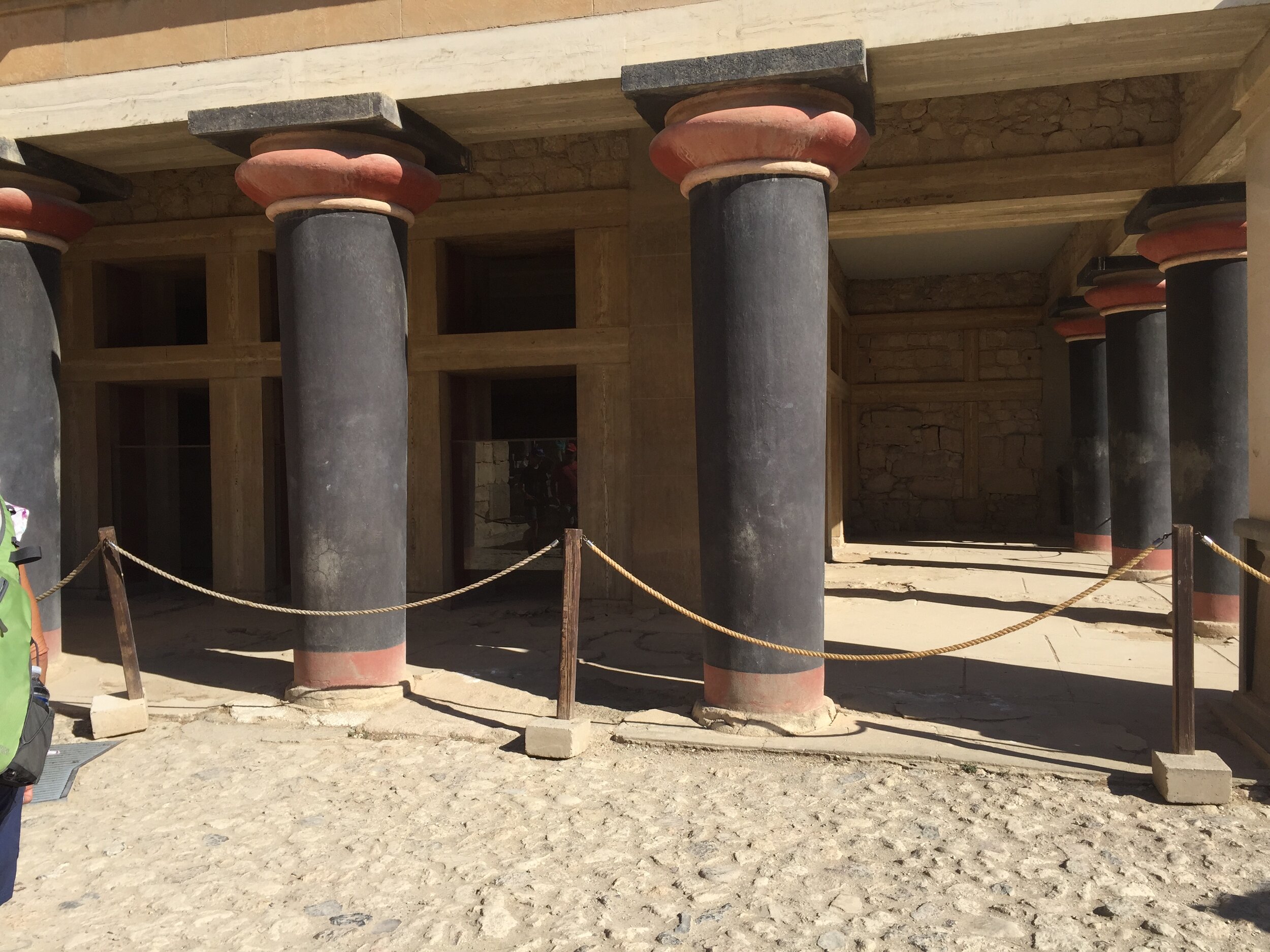
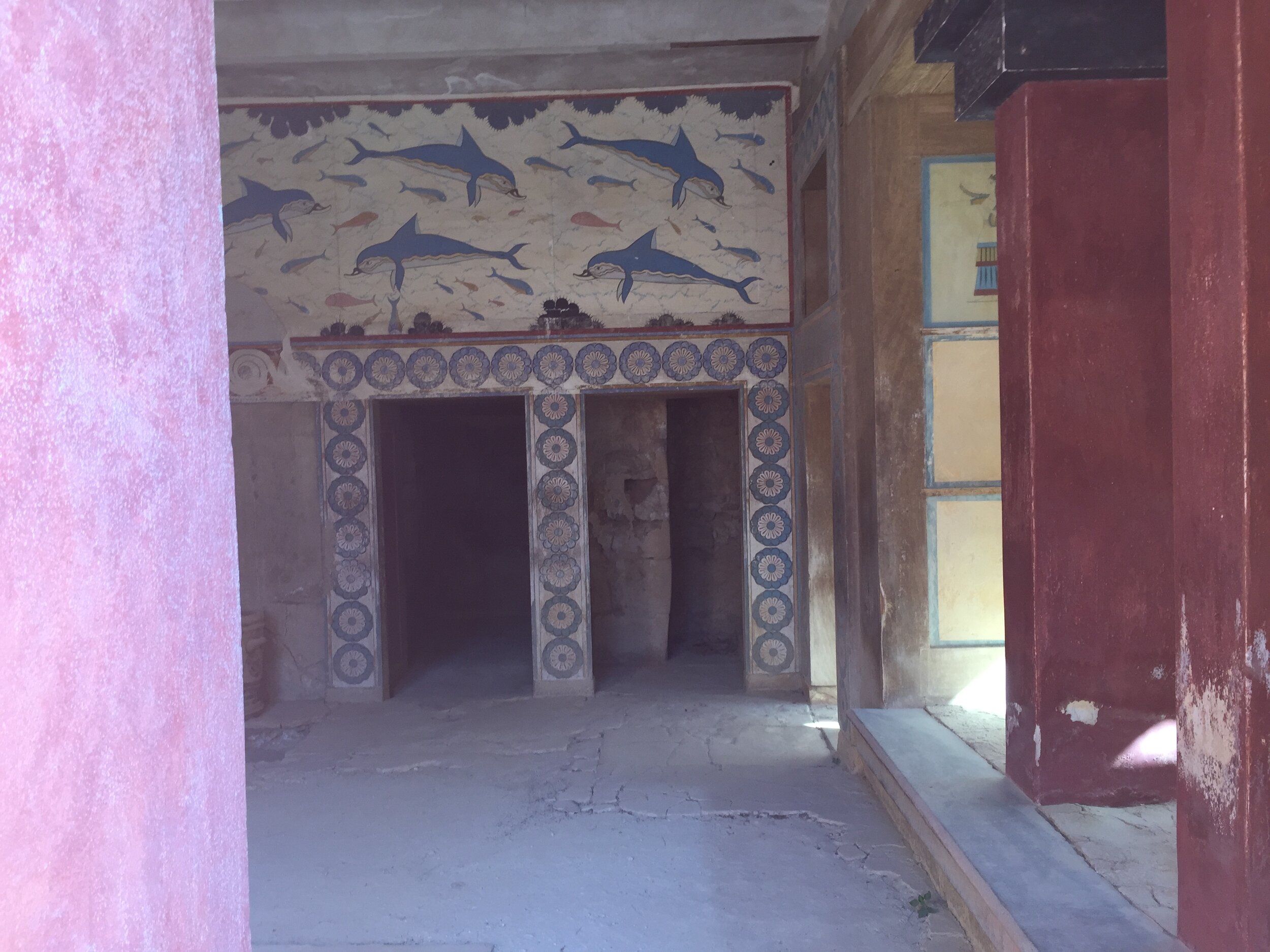
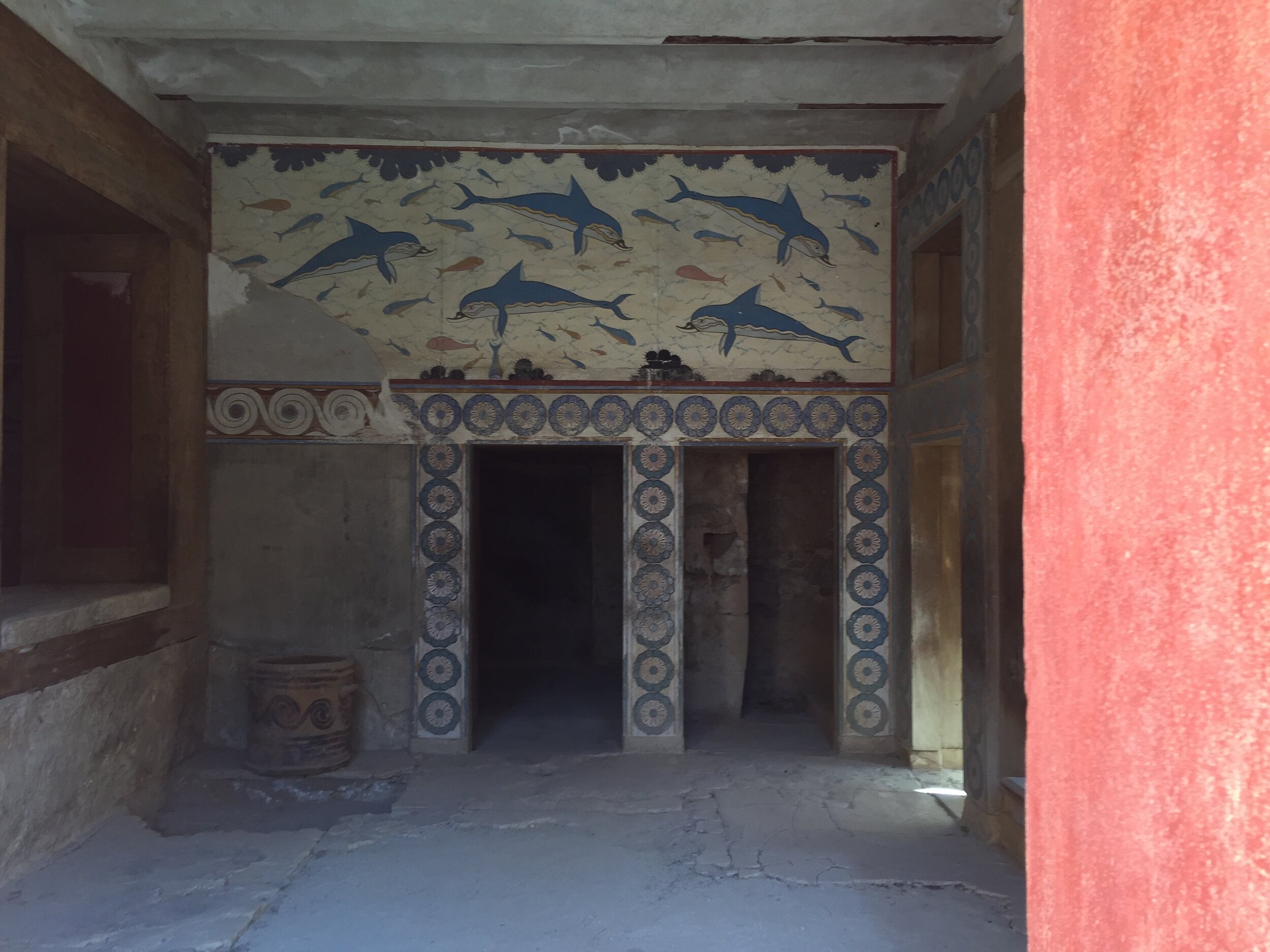
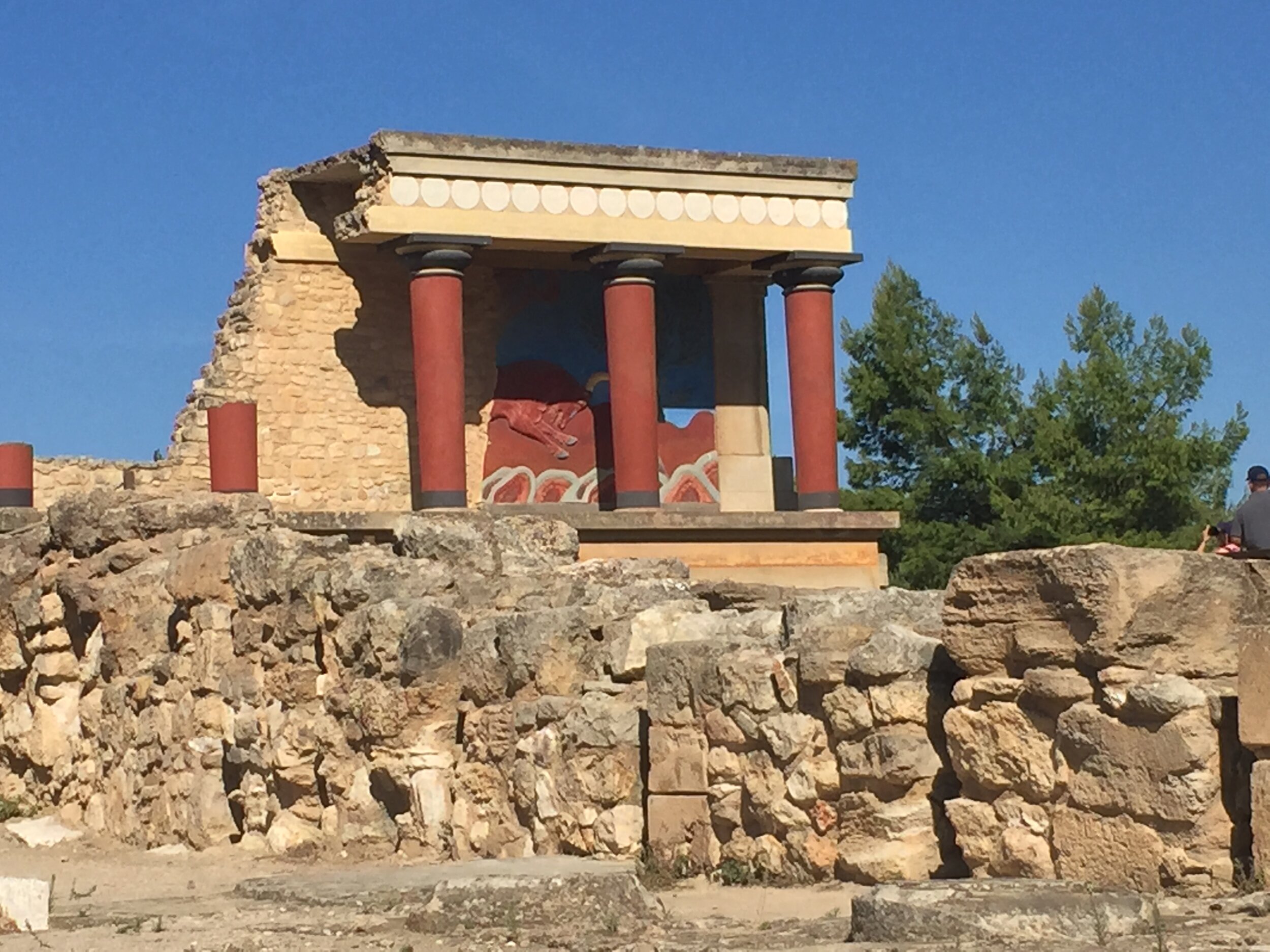
The Palace of Knossos, on the Mediterranean isle of Crete, presents a daunting task that broaches mere tourism: how does one really take it all in? As a site of such massive size and complexity, ruined earthquakes, tidal waves, toppled empires…clouding the eyes of history with the dust of legend of Midas and the Minotaur, Perseus, Icarus and Daedalus…originally built around 1900 B.C.E.
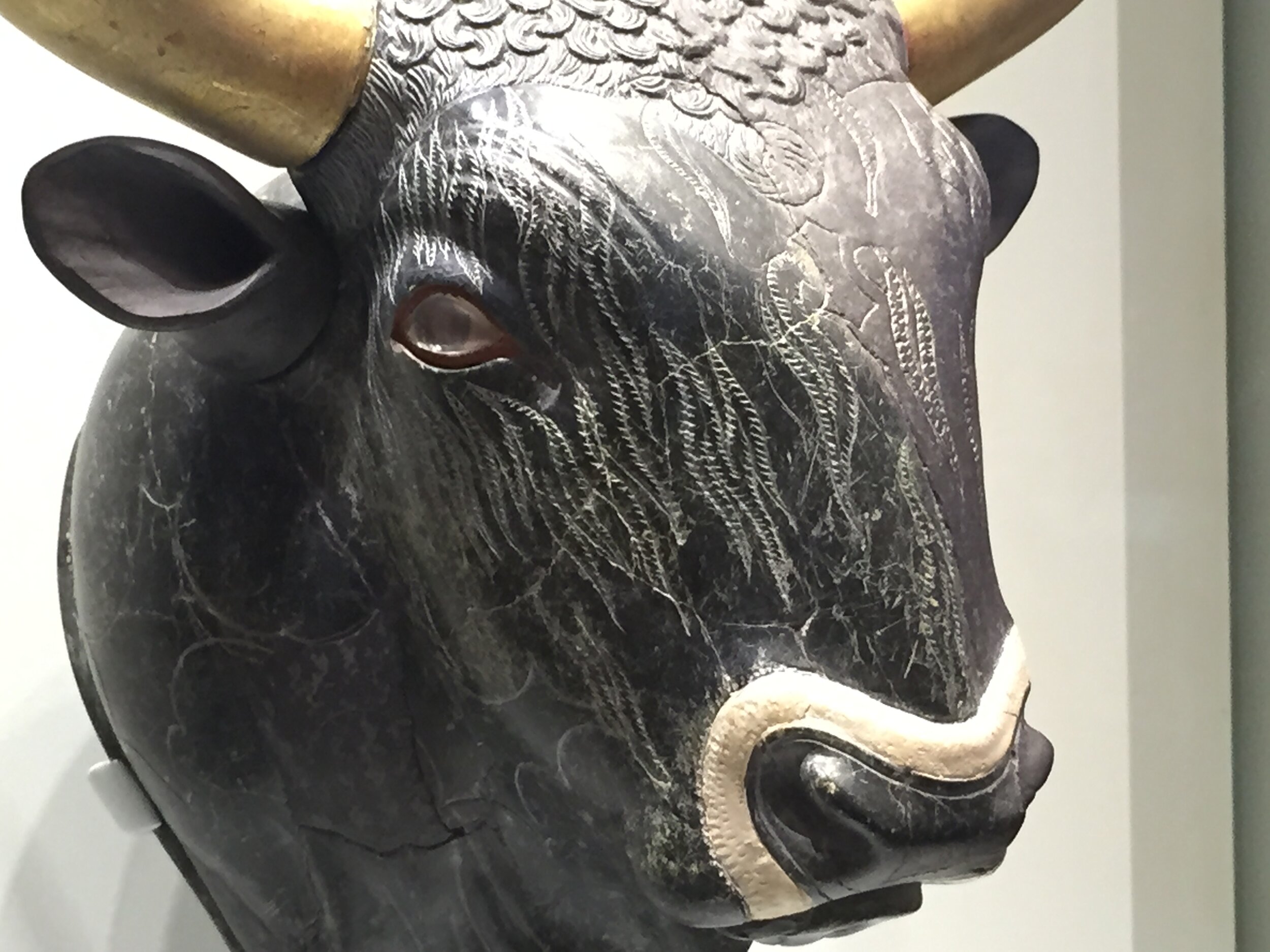
Saying it was the size of two football fields, which it is, feels small when you are there; beyond the sheer scale, endless walkways and amazingly vibrant painted frescoes in rooms of both living and worship, there is a sense of deep loss; of a civilization that was so advanced yet wiped out in the tidal wave and earthquake originating in nearby Santorini. (Some say the origin of the legend of Atlantis).
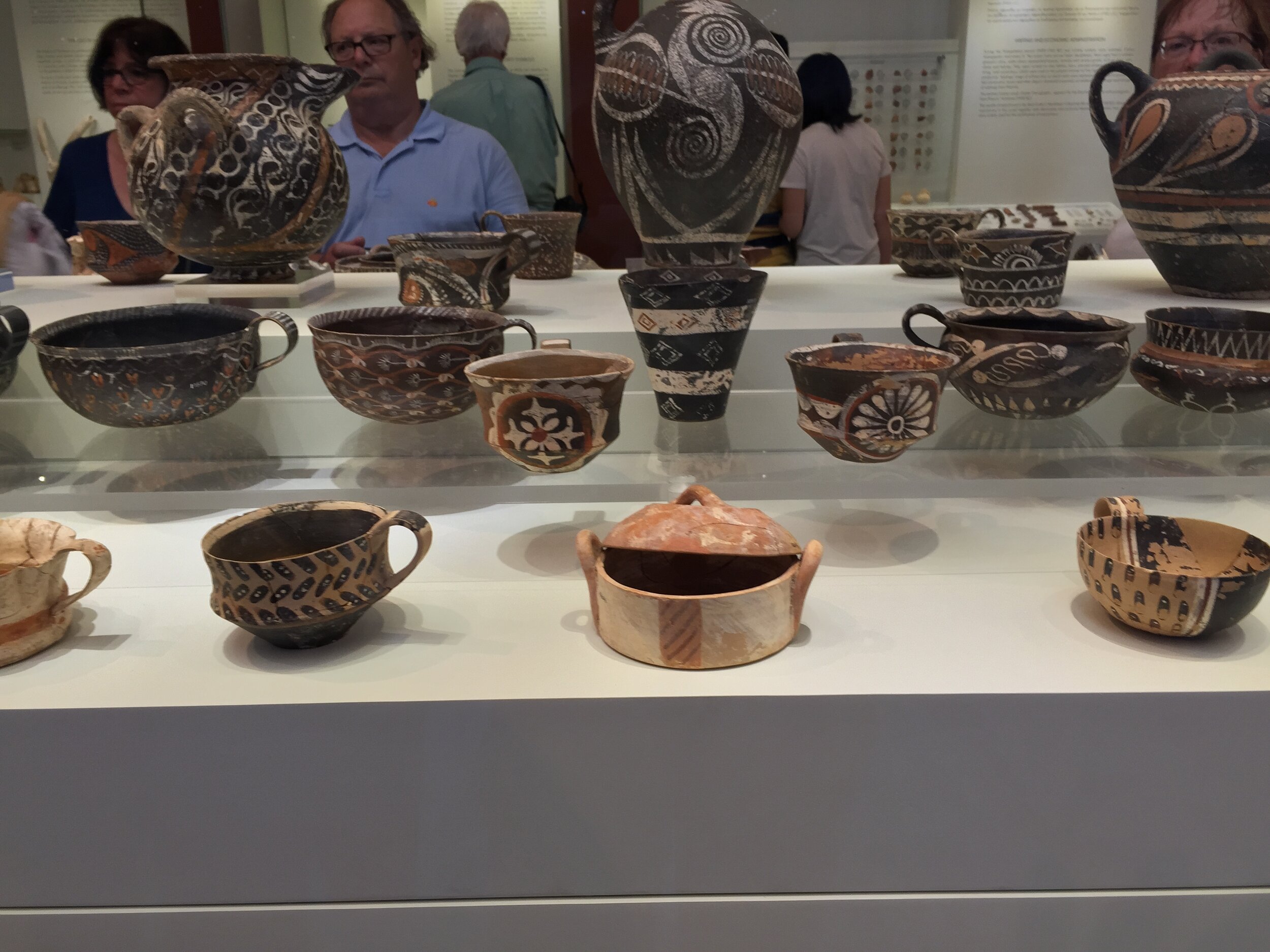
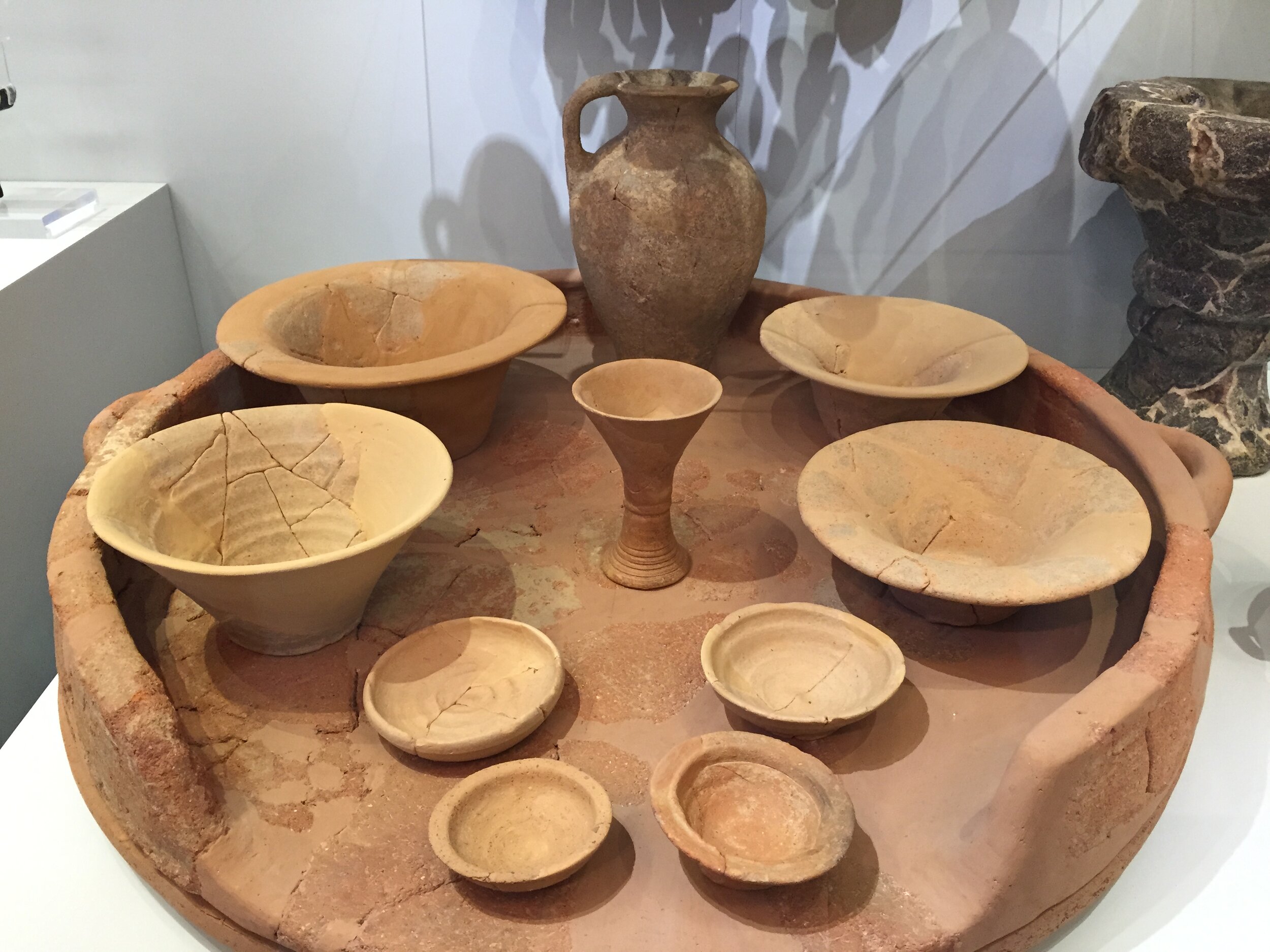
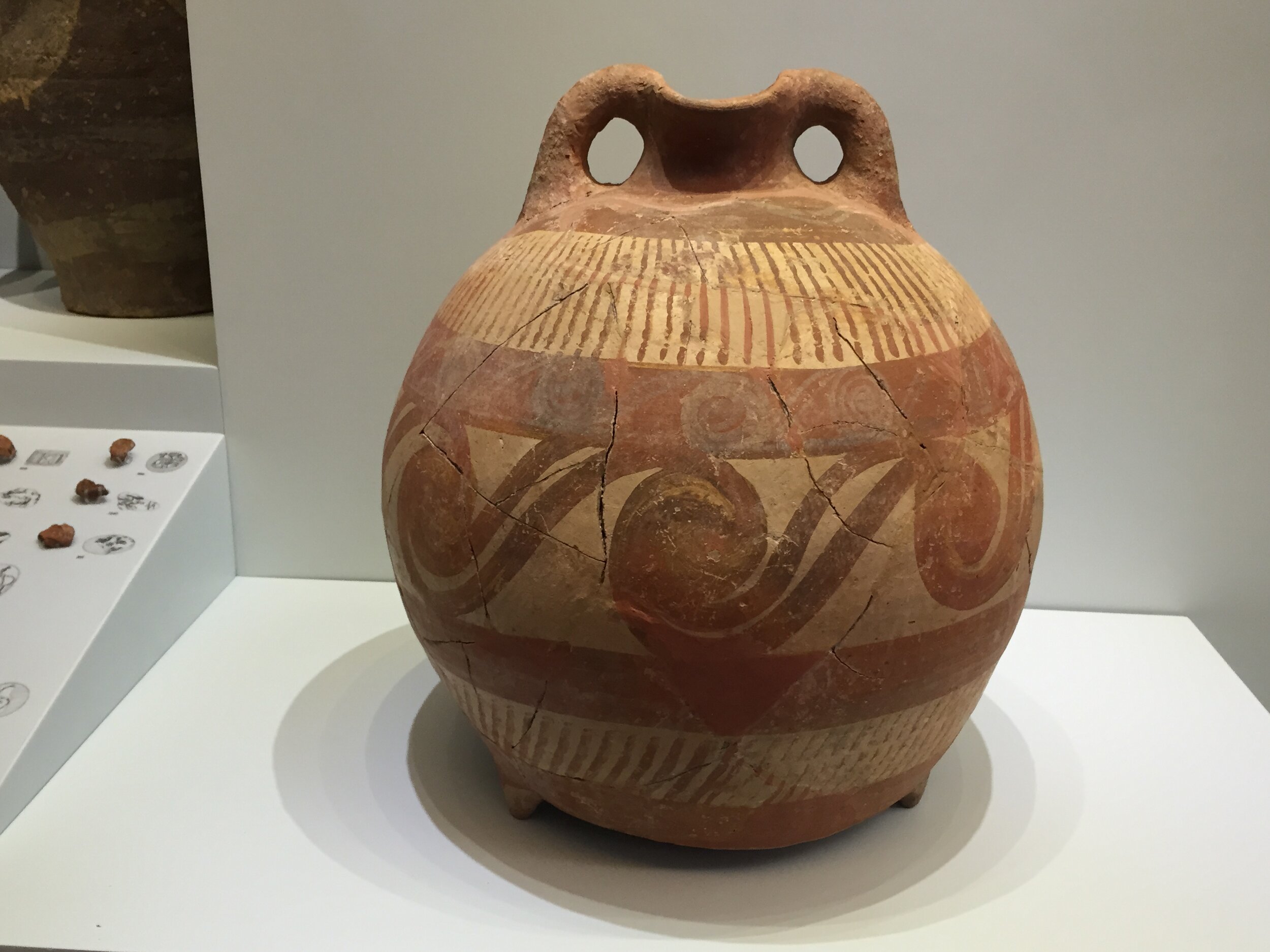
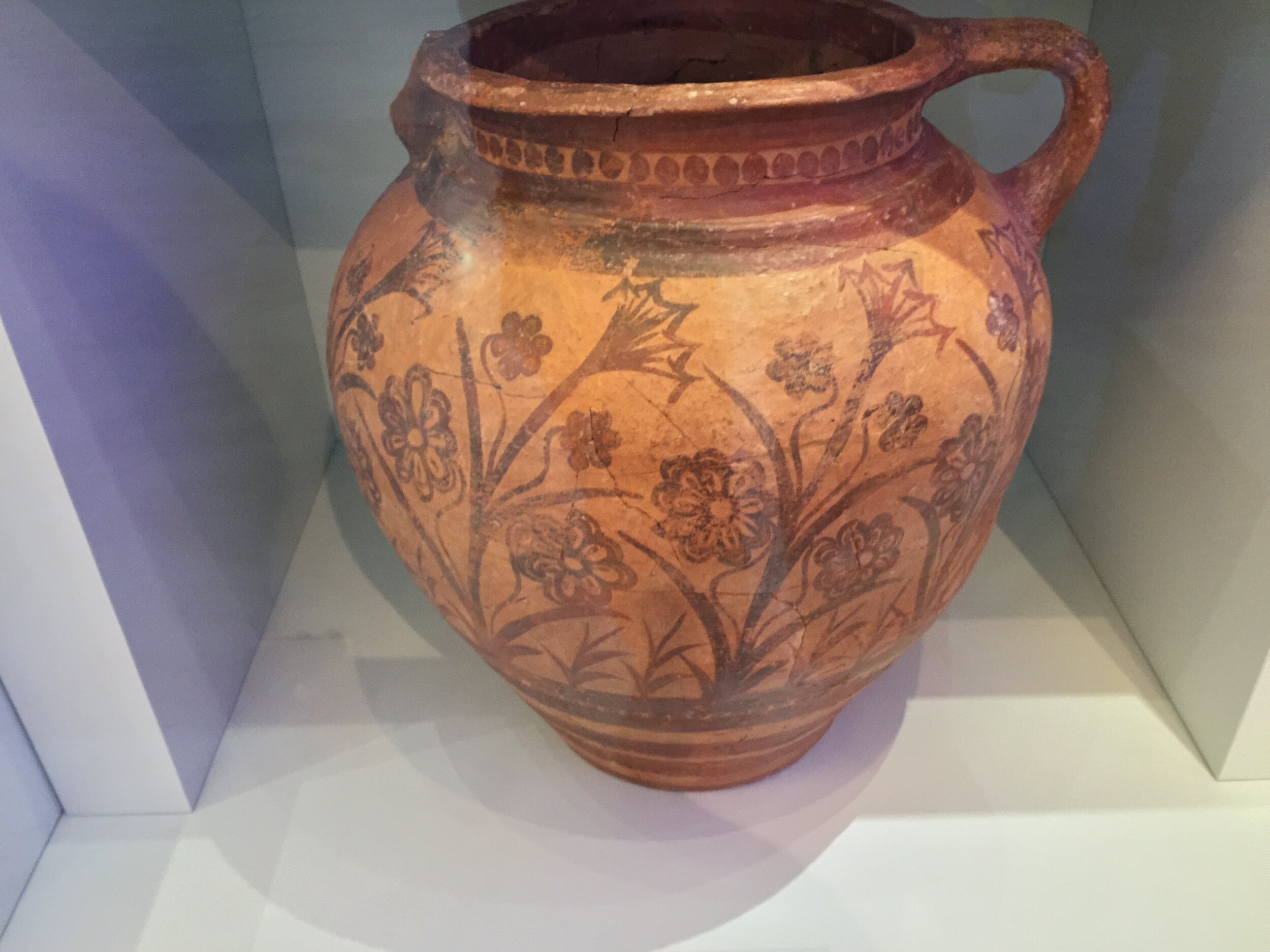
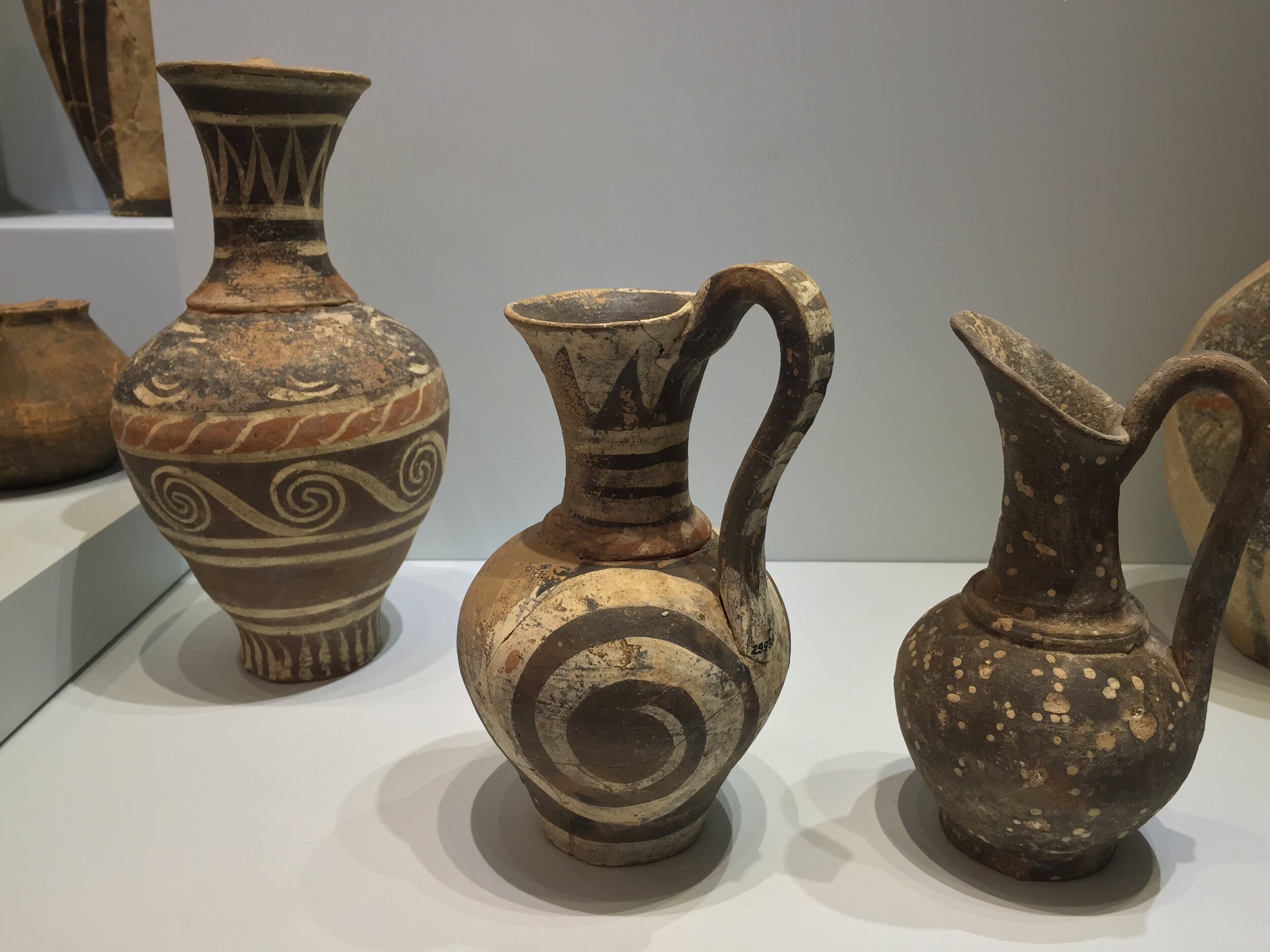
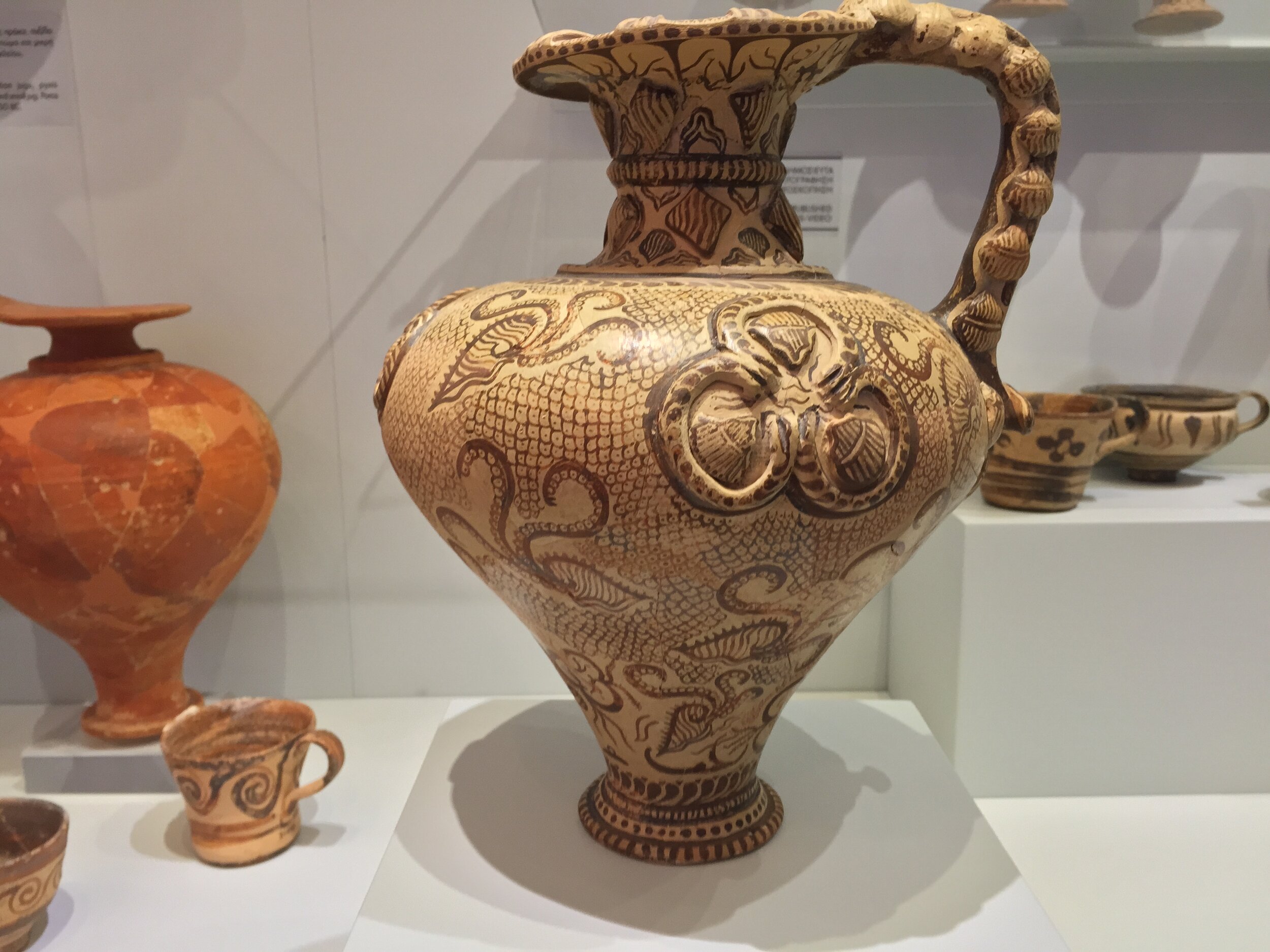
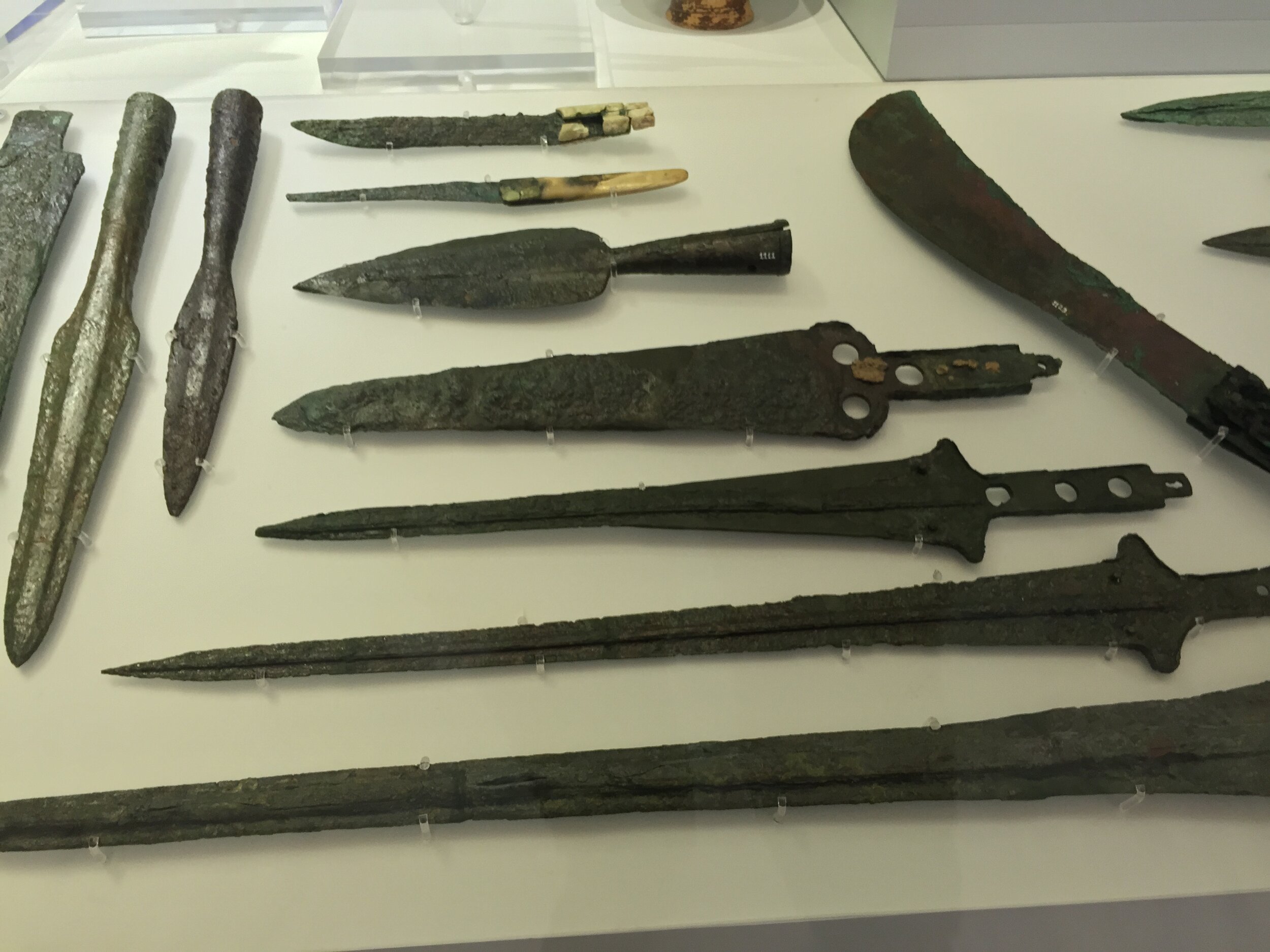
Two immediate recommendations: visit the Palace as early in the day as possible (avoid the crowds and bask in the wonderful Mediterranean light before it gets hot); second, visit the museum devoted to it. This is the simplest way to both absorb the stunning and mysterious culture as it was lived, then view and tour the many artifacts gathered from the site at the museum.
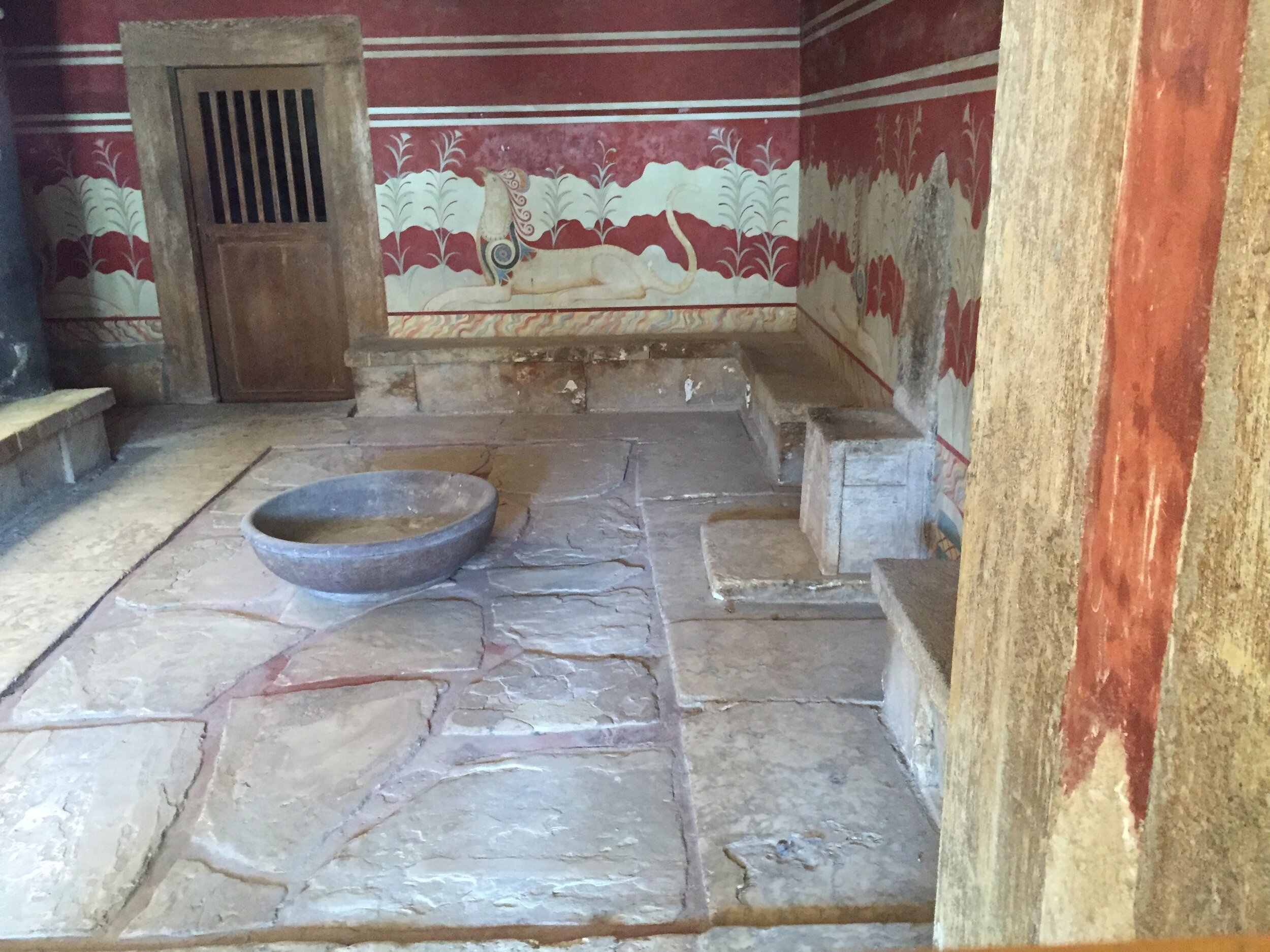
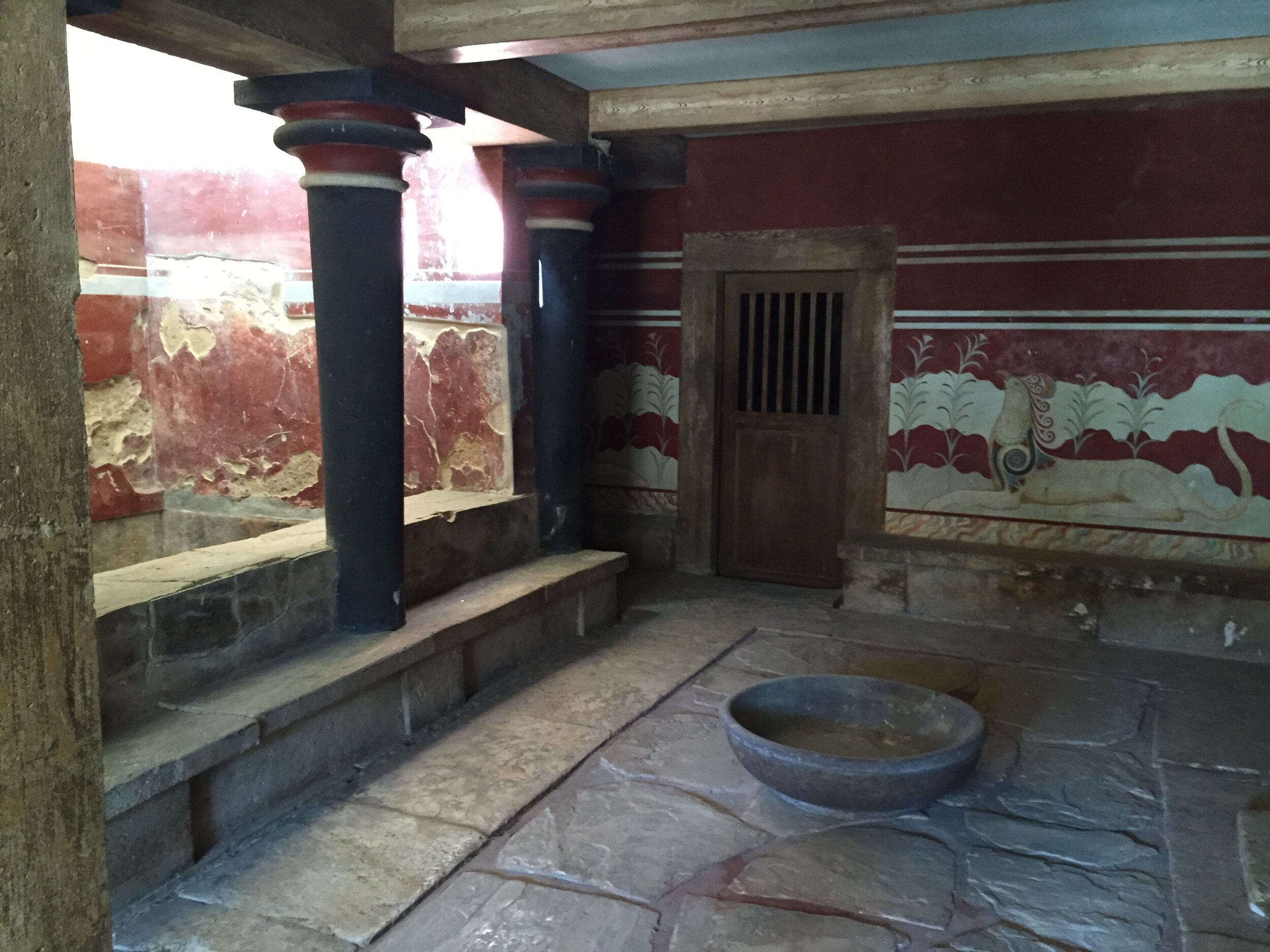
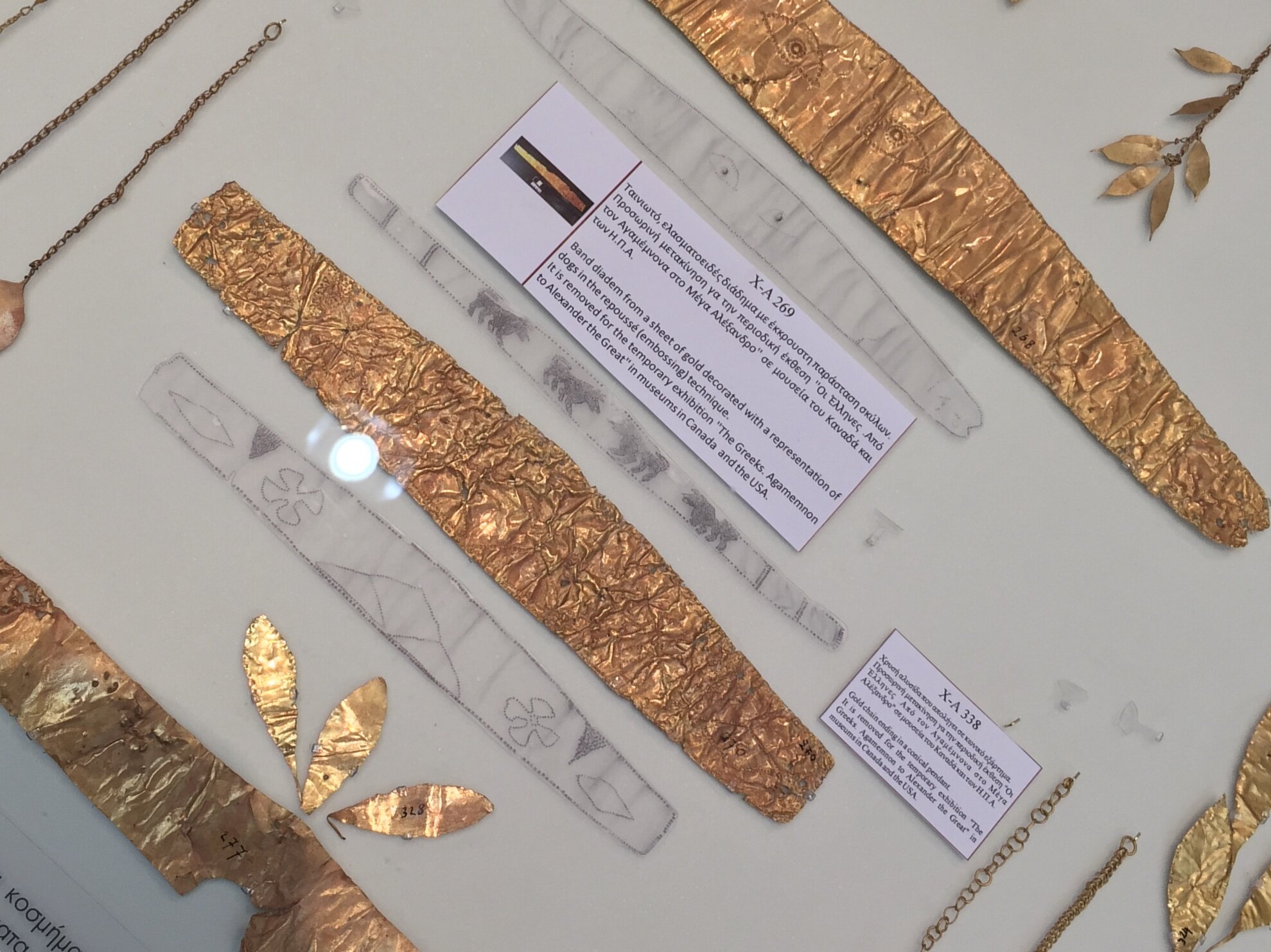
First thing that stunned us: no one can read the language of the Minoans, the rulers at that time. There is no Rosetta Stone, no amazing find or famous archeologist who cracked the code of this ancient language. And ancient it is — advanced in so many ways (as in a toilet in what they believed was either a royal or priestly chamber) and so lost to history we can only stare and wonder. The Minoans, around 1500 B.C.E. were replaced by the Myceneans, which as a society, the Minoans were more maternally-driven than what we have seen in the millennia since; there are records of women owning property and being quite rich. The jewelry and wealth in the museum in the nearby city, also Heraklion, attest to this.
There is so much wonder and mystery surrounding this magnificent temple — legends and made-up stories, bad excavations, or the looming question: were there three temples built on top of each other after a natural disaster, or just two?
This British Museum 5 minute video is a great piece that only adds to the mysteries, while trying to solve them.





 Outspoken Traveler
Leave a comment